
Flowers
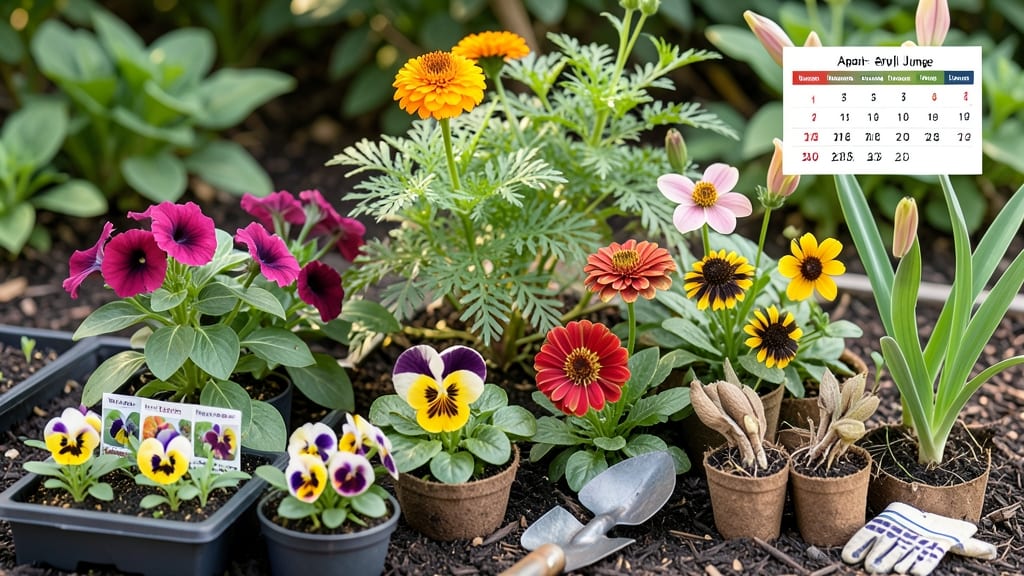
Planting flowers in Zone 6B at the wrong time can leave you staring at frost-killed blooms instead of a vibrant garden.
The key is knowing exactly when to get those seeds or transplants in the ground—too early, and a late frost will wipe them out; too late, and summer heat will stunt their growth.
I’ve learned the hard way that Zone 6B’s unpredictable weather demands precision. Whether you’re planting annuals for summer color or perennials that return year after year, timing matters more than you might think.
Skip the guesswork and discover the optimal months for each type of flower, so you can enjoy blooms from spring through fall.
From cool-season favorites like pansies to heat-loving petunias, every flower has its perfect window. We’ll break down the month-by-month schedule that works for your region, including how to adjust for early or late frosts. No more wasted effort—just lush, thriving plants that reward your timing.
Ready to transform your garden? Let’s dive into the exact planting dates that’ll give you the most stunning, longest-lasting blooms in Zone 6B. Your future self will thank you when the first flowers pop up on schedule!
Zone 6B flower planting calendar: month-by-month guide for annuals, perennials, and bulbs
In Zone 6B, where last spring frosts can linger until mid-April and first fall frosts arrive by mid-October, timing is everything. The key is understanding your microclimate—whether you're in the Appalachians or the Midwest plains—and matching flower types to their ideal planting windows.
Cool-season flowers like pansies and snapdragons thrive when soil temps hover around 45°F, while warm-season beauties like marigolds need 60°F+ soil to sprout reliably.
I’ve planted flowers in Zone 6B for over 10 years, and I’ve learned that fall planting often outperforms spring for perennials. Why? Established roots mean less stress when spring arrives.
But for annuals, timing depends entirely on whether they’re cool-season or warm-season lovers. Let’s break it down by month so you can avoid the common mistakes that kill seedlings.
| Month | Flower Type | Ideal Planting Time | Soil Temp (°F) | Notes |
|---|---|---|---|---|
| March | Cool-season annuals (pansies, snapdragons) | Early March (after last frost risk) | 45-55°F | Direct sow or transplant hardened-off seedlings |
| April | Perennials (peony, daylily), bulbs (tulips) | Mid-April (soil 50°F+) | 50-60°F | Fall-planted bulbs sprout early; perennials establish roots |
| May | Warm-season annuals (marigolds, zinnias) | After last frost (mid-May) | 60°F+ | Wait until night temps stay above 50°F |
| June | Heat-tolerant perennials (black-eyed Susan) | Early June (transplant) | 65°F+ | Establish before summer heat peaks |
| September | Fall annuals (mums, asters), bulbs (tulips) | Early September | 55-65°F | 6-8 weeks before first frost for blooms |
| October | Spring-blooming bulbs (daffodils) | Mid-October (soil 60°F) | 60°F | Plant before ground freezes |
Notice how September is just as critical as April? That’s because fall planting gives flowers a head start on root growth before winter dormancy. For example, tulip bulbs planted in October will push through snow for stunning April blooms.
Meanwhile, zinnias planted in May will reward you with summer-long color—but only if you wait until soil warms.
One of my biggest mistakes was planting petunias too early in March. They rotted in cold soil. Now, I wait until May 1st for warm-season annuals unless I use row covers to protect them.
The same rule applies to tomatoes—though they’re not flowers, their planting cues help gauge when your garden is truly warm enough.
For perennials, the window is wider. I plant daylilies in April or September—both give them time to establish before winter. But peonies? They’re finicky. Plant them in early fall (September) for the best second-year blooms. The roots need time to strengthen before winter.
Pro tip: Use a soil thermometer ($10 at garden centers) to check temps before planting. Cool-season flowers need 45-55°F soil, while warm-season varieties demand 60°F+. If your soil’s too cold, your seeds will rot in the ground. If it’s too hot, they’ll dry out before germinating.
Don’t forget about succession planting! In Zone 6B, you can stretch your blooms by planting cosmos in June for late-summer color, then asters in July
Zone 6B flower planting calendar: month-by-month guide for annuals, perennials, and bulbs
Zone 6B gardeners face a delicate balance: plant too early, and a late frost will kill tender seedlings; wait too long, and summer heat will stress your flowers.
The average last frost date in Zone 6B typically falls between April 15 and May 1, but this can vary by 1-2 weeks depending on elevation and microclimates.
For reliable results, I recommend using soil thermometers to confirm temperatures stay above 50°F (10°C) for at least a week before planting warm-season flowers.
Your planting strategy should divide flowers into three categories: cool-season bloomers (like pansies and snapdragons), warm-season stars (petunias, zinnias), and bulbs (tulips, daffodils). Each group has its own ideal window, and mixing them up can extend your blooms from early spring to late fall.
Let’s break down the exact months for each type, so you can plan your garden like a pro.
| Flower Type | Best Planting Months | Soil Temp Requirement | Notes for Zone 6B |
|---|---|---|---|
| Cool-Season Annuals | March-April | 40-50°F (4-10°C) | Start seeds indoors 6-8 weeks before last frost |
| Warm-Season Annuals | May-June | 60-70°F (15-21°C) | Wait until night temps stay above 55°F (13°C) |
| Perennials | April-May or Sept-Oct | 50-60°F (10-16°C) | Fall planting gives roots time to establish |
| Spring-Blooming Bulbs | September-October | 60°F (16°C) soil | Plant 6-8 weeks before first frost |
| Fall-Blooming Bulbs | March-April | 50°F (10°C) soil | Plant after danger of frost has passed |
For cool-season annuals like pansies or sweet alyssum, I start seeds indoors in late February to give them a head start. These flowers tolerate light frosts and can even bloom through early spring snow.
The key is to harden them off properly before transplanting in March, when soil temperatures hover around 50°F (10°C). If you miss this window, don’t worry—you can still plant them in early April, but expect slightly slower growth.
Warm-season annuals such as petunias, zinnias, and marigolds demand patience. These heat-lovers won’t thrive until soil temperatures consistently stay above 60°F (15°C), which in Zone 6B usually happens around mid-May. I always wait until after Memorial Day to plant these, as late frosts can still sneak in.
For extra protection, I use row covers during the first two weeks to shield young plants from unexpected chilly nights.
Perennials offer flexibility—you can plant them in either spring or fall. Fall planting (September-October) gives roots time to establish before winter, while spring planting (April-May) lets you enjoy blooms in the first season.
For daylilies and coneflowers, I prefer fall planting because the cool weather reduces transplant shock. Just make sure to water deeply after planting to help roots settle in before the ground freezes.
Bulbs are the secret to early spring color. Plant tulips and daffodils in September or October so they develop strong roots before winter. These bulbs need a cold period