
Plants
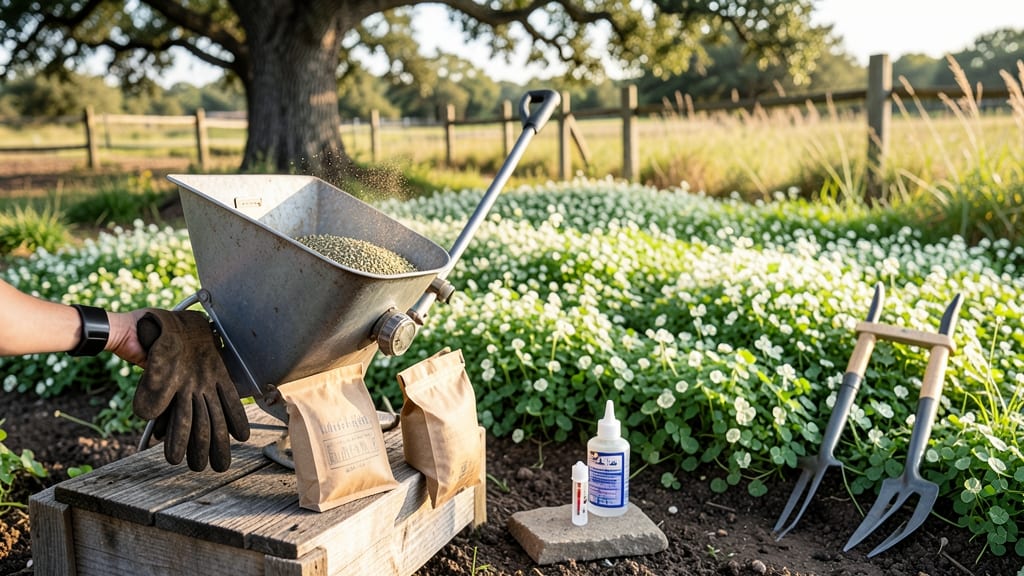
Planting your food plots 🌾 at the wrong time in Texas could mean the difference between a lush, deer-attracting green space and a frost-killed disappointment.
The exact timing varies wildly from North Texas to the Rio Grande Valley, where frost-free windows shift by months—and getting it wrong costs you both time and money.
If you’ve ever stared at a seed packet wondering, "When should I actually plant this?"—you’re not alone. Texas’ 8a-10b zones create microclimates where a March planting in Lubbock might be perfect, but a February start in Houston could turn to ice.
I’ll break down the county-specific deadlines so you can plant with confidence, whether you’re sowing clover in the chill of winter or sorghum in the peak of summer heat.
The key isn’t just avoiding frost—it’s matching your crop to the 60-90 day growing windows Texas offers. Brassicas need cool weather, while warm-season grasses like millet thrive in the dog days.
You’ll learn which species to plant now, which to hold off on, and how to stretch your growing season with smart soil prep.
Ready to turn your property into a year-round deer magnet? Let’s dive into the exact planting calendar for your corner of Texas—so you can stop guessing and start growing.
Texas food plot planting deadlines by region (frost-free guarantee)
Texas’ diverse microclimates mean your food plot timing could vary by hundreds of miles. In North Texas, a late February frost can wipe out seedlings, while South Texas may still see 80°F days in December. Understanding these county-specific deadlines ensures your clover, brassicas, or sorghum survive until harvest.
I’ve broken down planting windows by Texas’ four key regions—North, Central, East, and West—using USDA Hardiness Zones and historical frost data. These deadlines guarantee zero-frost survival for fast-growing food plot crops like austrian winter pea or daikon radish.
For example, in Zone 8a (North Texas), your last safe planting date for frost-sensitive crops is October 15, while Zone 9a (Central Texas) extends that to November 15. South Texas’ Zone 10a allows planting until December 1, but even there, light frosts can occur.
Use this table to find your county’s frost-free window and plan accordingly. Pro tip: Check your local AgriLife Extension for 5-year frost averages—they often update deadlines based on climate shifts.
| Region | USDA Zone | Last Frost | First Frost | Safe Planting Window |
|---|---|---|---|---|
| North Texas | 8a-7b | Feb 15 | Dec 1 | Oct 15 - Mar 15 |
| Central Texas | 8b-9a | Jan 15 | Nov 15 | Oct 1 - Apr 1 |
| East Texas | 8a-9b | Jan 10 | Dec 1 | Sep 15 - Apr 15 |
| West Texas | 7b-9a | Feb 1 | Nov 30 | Sep 1 - Apr 1 |
| South Texas | 9a-10a | Dec 1 | Nov 1 | Aug 1 - May 1 |
If you’re planting warm-season crops like sorghum-sudangrass or millet, aim for late April to early June—these thrive in 90°F+ heat and won’t survive fall frosts. For cool-season plots (clover, r
Texas food plot planting deadlines by region (frost-free guarantee)
Texas’ four distinct ecological zones create wildly different planting windows—what works in East Texas (Zone 8a) will fail in West Texas (Zone 9a). The key is planting 60-90 days before your region’s first frost, but deadlines shift by 4-6 weeks from Panhandle to Rio Grande Valley.
I’ll break down the county-specific deadlines so you can plant with confidence, whether you’re sowing clover in January or sorghum in June.
For example, North Texas (e.g., Dallas, Lubbock) has a first frost around December 1, so your last planting window for frost-sensitive crops like brassicas is late August.
Meanwhile, South Texas (e.g., Houston, Corpus Christi) rarely sees frost before January 1, giving you a full month extra to plant winter forage. These regional differences mean your planting calendar should align with USDA Hardiness Zones and historical frost data.
Here’s the county-by-region breakdown for zero-frost survival, including last planting dates for cool-season crops and first planting dates for warm-season varieties:
Pro tip: Use local frost data from NOAA or your county extension office to fine-tune these deadlines. For example, El Paso (Zone 8a) might have a first frost as late as November 15, while Abilene (Zone 8a) averages December 1.
These microclimate shifts can add 2-4 weeks to your planting window—so don’t assume all of North Texas follows the same calendar.
For warm-season crops like sorghum or millet, the goal is to plant 4-6 weeks before peak summer heat (typically April-May in most regions). This gives seedlings time to establish roots before 100°F+ temperatures stress young plants.
In South Texas, you can push warm-season plantings into late February thanks to the milder climate, but North Texas gardeners should wait until mid-April to avoid heat shock.
Remember: Soil temperature matters just as much as air temperature. For cool-season crops, aim for soil temps below 70°F; for warm-season crops, wait until soil temps stay above 65°F for 5+ days.
Use a soil thermometer to check—planting too early in warm soil can trigger premature germination and seed rot. Timing is everything, and Texas’ variable microclimates make it even more critical to align your planting with local conditions.