
Planting
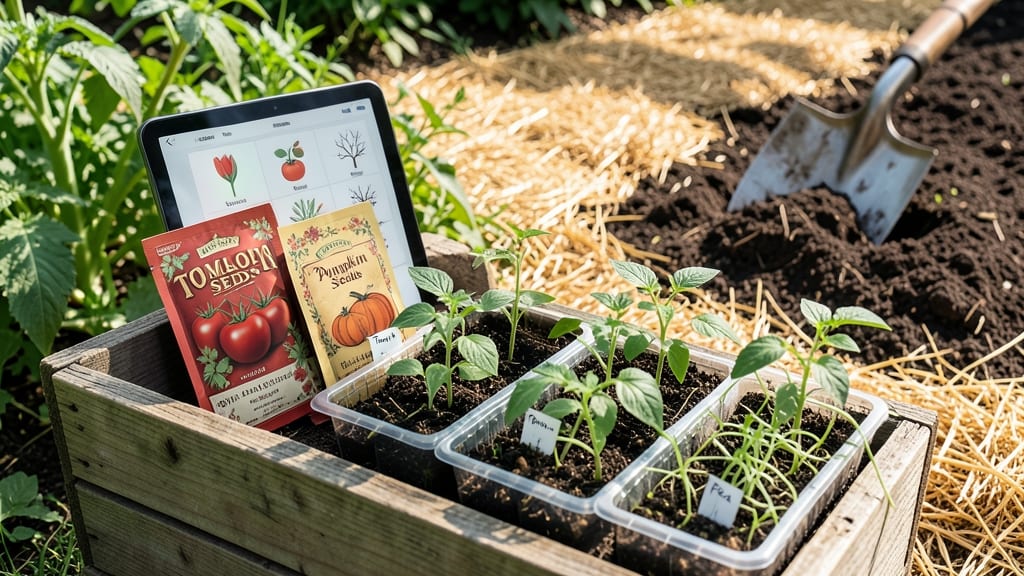
Planting your garden at the wrong time in Virginia can mean the difference between a thriving harvest and a sad pile of frost-bitten leaves.
With USDA zones ranging from 6b to 8a and frost dates that shift dramatically from the coast to the mountains, timing is everything for your 🌱 General Garden Plants.
Most gardeners in Virginia know the basics—spring and fall are the prime planting windows—but without precise dates, you risk losing crops to late frosts or stunted growth.
I’ve dug into the data to give you the exact windows for cool-season and warm-season plants, so you can avoid common mistakes and maximize your yields.
Whether you’re in Richmond’s 7a zone or the cooler mountains, this guide breaks down when to start seeds indoors, when to transplant, and how to adjust for Virginia’s unpredictable weather. No more guessing—just proven timing for a garden that actually grows.
Ready to stop second-guessing your planting schedule? Let’s get into the exact dates and strategies that work for Virginia’s diverse climate, so you can enjoy fresh produce all season long.
Virginia’s USDA zones & exact frost-free planting dates by region
Virginia’s gardening success starts with understanding its USDA zones 6b-8a, which dramatically impact when you can safely plant. The last spring frost typically arrives between mid-April in coastal areas and late May in the mountains, while the first fall frost hits as early as October 15 in higher elevations.
These dates create a 180-220 frost-free growing season, but your exact timeline depends on where you live in the state.
For accurate planning, I recommend using the 10-day rule: Wait until 10 days after your average last frost date to plant warm-season crops like tomatoes and peppers. This buffer accounts for late cold snaps that can devastate tender seedlings.
In Virginia, this means late April to early May for most regions, with exceptions for the cooler Shenandoah Valley and Blue Ridge Mountains.
🌱 Key Takeaway: Virginia’s climate varies dramatically from the Tidewater region (USDA 8a) to the mountains (USDA 6b). Coastal areas have earlier frost-free dates (as early as March 15), while higher elevations may not reach safety until May 15. Always check your local USDA zone and historical frost data for precision.
| Region | USDA Zone | Last Spring Frost | First Fall Frost | Safe Planting Window |
|---|---|---|---|---|
| Tidewater (Norfolk, Virginia Beach) | 8a | March 15 - April 1 | November 1 - November 15 | March 25 - April 15 (spring) / August 1 - September 15 (fall) |
| Piedmont (Richmond, Charlottesville) | 7b | April 1 - April 15 | October 15 - October 30 | April 25 - May 10 (spring) / August 15 - September 10 (fall) |
| Shenandoah Valley (Staunton, Winchester) | 6b | April 15 - May 1 | October 1 - October 15 | May 10 - May 25 (spring) / August 1 - September 5 (fall) |
| Southwest Virginia (Roanoke, Blacksburg) | 6b-7a | April 10 - April 25 | October 10 - October 25 | April 30 - May 15 (spring) / August 10 - September 10 (fall) |
In Northern Virginia (like Arlington or Alexandria), you’ll fall somewhere between the Piedmont and Tidewater timelines. For precise local data, I always check the Virginia Cooperative Extension’s frost maps or use the NOAA Climate Data portal.
These resources provide hyper-local frost dates based on your exact ZIP code, which can differ by 1-2 weeks even within the same city.
For cool-season crops like lettuce, spinach, and broccoli, I plant 4-6 weeks before the last frost date. This gives them time to establish roots and produce before summer heat sets in.
In the Tidewater region, that means starting seeds as early as February 15, while in the mountains, you’ll want to wait until March
Best months to plant specific vegetables in Virginia’s climate
Virginia’s climate lets you grow both cool-season crops like lettuce and warm-season crops like tomatoes, but timing is everything. Planting cool-season veggies too late or warm-season crops too early can ruin your harvest.
In USDA zones 6b-8a, the key is knowing when to start seeds indoors, transplant seedlings, and direct-sow outdoors.
The Shenandoah Valley and Piedmont regions (zones 6b-7a) have later last frosts than Tidewater (zone 8a), so adjust your schedule accordingly. For example, tomatoes thrive when soil temps hit 60°F+, which usually happens by mid-May in the mountains but as early as late April near Norfolk.
Here’s how to align your planting with Virginia’s microclimates for maximum success:
For continuous harvests, use succession planting. For example, sow lettuce every 2 weeks from March to September to avoid bolting (going to seed). In Tidewater’s warmer zone 8a, you can even plant warm-season crops like okra as early as March.
Pro tip: Check soil temps with a soil thermometer—most warm-season crops need soil at 60°F+ for 10+ days before planting. In Northern Virginia’s zone 7a, this usually aligns with mid-May, while Southwest Virginia’s zone 6b may need to wait until late May.
Adjust for microclimates too—south-facing slopes warm up faster than shady spots. If you’re near the Blue Ridge Mountains, expect 2-3 weeks later frost dates than Richmond. Always monitor local forecasts and use row covers if late frosts threaten.
With these region-specific planting windows, you’ll avoid the most common mistakes—like planting tomatoes too early or losing lettuce to summer heat—and enjoy a year-round harvest tailored to Virginia’s unique climate. 🌱