
Plants
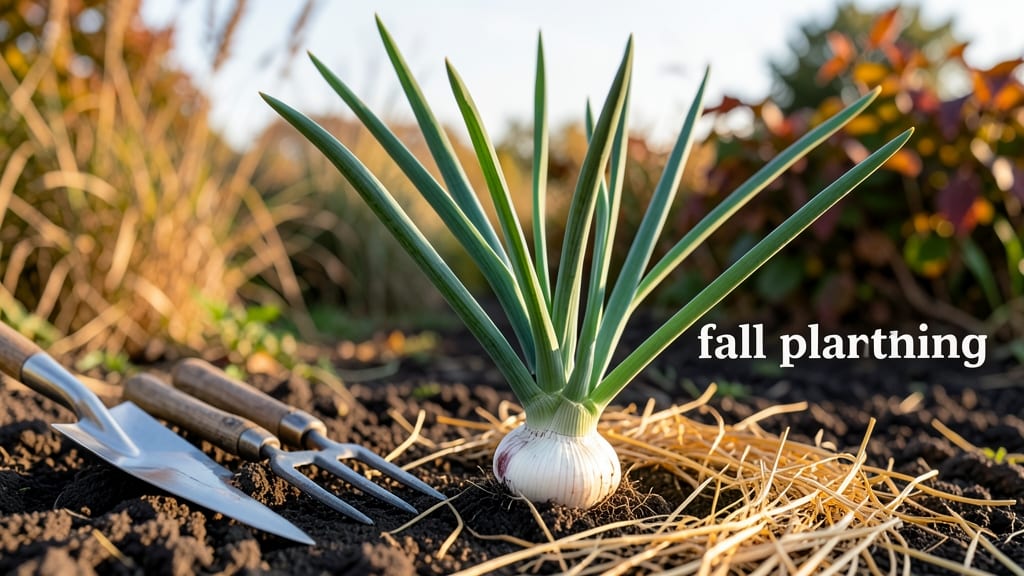
Planting garlic in Tennessee at the wrong time could mean the difference between a bumper crop of plump 🧄 bulbs and a disappointing harvest—or worse, no harvest at all.
The key lies in understanding your zone's chill-hour requirements, which vary between 6b and 7a across the state, and knowing exactly when to get those cloves in the ground for maximum success.
Most Tennessee gardeners swear by fall planting, typically between October and November, when soil temperatures drop but before the first hard frost. This timing ensures garlic gets the 40–60 chill hours it needs to form strong bulbs, especially for hardneck varieties that thrive in our cooler climate.
But timing isn’t one-size-fits-all—whether you’re in Nashville’s 7a or Chattanooga’s 6b, local frost dates and microclimates play a huge role.
If you miss the fall window, don’t panic—early spring planting in February or March can still yield great results, though it may produce smaller bulbs. The secret is matching your planting schedule to your garlic’s chill needs and your region’s frost patterns.
I’ll break down the exact steps to get it right, so you can avoid common mistakes and grow garlic that’s as flavorful as it is abundant.
Ready to turn your Tennessee garden into garlic-growing gold? Let’s dive into the best planting strategies tailored to your zone, plus pro tips for handling Tennessee’s unpredictable weather. Your future meals—and your neighbors’ envy—will thank you.
Tennessee’s garlic planting calendar: chill-hours by Zone 6b-7a
Timing your garlic planting in Tennessee hinges on chill-hour accumulation, which triggers bulb formation. Most of the state falls under USDA Zones 6b-7a, where hardneck varieties need 30-40°F temperatures for 30-60 days to develop properly. Softneck varieties are more flexible but still benefit from 20-30 chill hours.
For Zone 6b (e.g., East Tennessee), aim to plant between October 15 and November 15—this ensures garlic gets enough cold before winter dormancy. In Zone 7a (e.g., Middle Tennessee), stretch your window to November 1 through December 10 to avoid premature sprouting from mild winters.
Missed the fall window? Don’t panic! You can plant again in early February or March for a summer harvest, though bulbs may be smaller and less flavorful. This method works best for softneck varieties, which tolerate warmer planting conditions.
🌱
📋 Tennessee Garlic Planting Summary
| Zone & Region | Best Planting Window | Chill-Hour Needs | Varieties to Choose |
|---|---|---|---|
| Zone 6b (East TN) | Oct 15–Nov 15 | 40–60 hours (30–40°F) | ‘Music’, ‘German White’, ‘Chesnok Red’ |
| Zone 7a (Middle TN) | Nov 1–Dec 10 | 20–30 hours (30–40°F) | ‘Silverskin’, ‘Artichoke’, ‘Creole’ |
| Zone 7a (West TN) | Dec 1–Jan 15 | 10–20 hours (30–40°F) | ‘Silver Rose’, ‘California Early’ |
| Spring Planting (All Zones) | Feb 15–Mar 15 | 0–10 hours (softneck only) | ‘Silverskin’, ‘Artichoke’ |
⚠️ Pro Tip: Use a soil thermometer to confirm ground temps are below 50°F before planting fall garlic.
To calculate your local chill hours, check your last frost date (typically mid-November in Zone 6b and early December in Zone 7a) and count backward. For example, if your last frost is November 20, plant by October 25 to ensure 6 weeks of cold before dormancy.
Hardneck varieties like ‘Music’ thrive in Tennessee’s shorter winters, while softnecks like ‘Silverskin’ handle the state’s warmer microclimates. Always source certified disease-free seed garlic from local nurseries or online suppliers to avoid white rot or rust.
🌿
For precise planting, use a moon planting calendar (root crops like garlic benefit from a waning moon in Taurus or Virgo signs) or align with Tennessee’s first frost dates. In Zone 6b, this often lands in mid-October, while Zone 7a gardeners can wait until late October.
After planting, mulch with straw or leaves (3–4 inches) to insulate bulbs during temperature swings. Remove mulch in early spring to prevent rot and encourage sprouting. Monitor for early spring warmth, which can trick garlic into bolting (sending up flower stalks) before bulb maturation.
✂️
How to adjust planting for Tennessee’s unpredictable weather patterns
Tennessee’s weather can throw curveballs—one day it’s a crisp October chill, the next a warm spell that feels like spring. This unpredictability makes garlic planting a balancing act. If you plant too early, your cloves might sprout prematurely and bolt before winter.
Plant too late, and you’ll miss the critical chill hours needed for bulb formation. The key? Flexibility and preparation.
Start by monitoring your local frost dates. Most of Tennessee falls in USDA Zone 6b-7a, where the first frost typically arrives between mid-October and early November. Aim to plant 4-6 weeks before that date—usually late September to mid-October.
But if your fall turns unexpectedly warm, don’t panic. You can always plant in early February for a summer harvest, though bulbs may be smaller.
If an early freeze threatens before planting, cover cloves with straw or row fabric. For late frosts in spring, use hoop tunnels or cloches to protect emerging shoots until temperatures stabilize.
🌡️ Pro Tip: Check the National Weather Service or local Cooperative Extension for real-time updates.
Soil preparation is your first line of defense against Tennessee’s weather quirks. Garlic thrives in well-draining, slightly acidic soil (pH 6.0-7.0). Before planting, amend your beds with compost or aged manure to improve drainage and fertility.
If your soil stays soggy after rains, consider raising beds to prevent rot. Mulching with straw or leaves after planting helps regulate soil temperature and retain moisture during dry spells.
For gardeners in Zone 7a (warmer southern TN), focus on softneck varieties like ‘Silverskin,’ which tolerate slightly warmer winters. In Zone 6b (cooler eastern TN), opt for hardneck varieties like ‘Music’ or ‘German White,’ which need more chill hours.
If you’re unsure about your zone, use the USDA Plant Hardiness Zone Map or ask your local extension office for guidance.
Don’t overlook backup planting dates. If your fall planting window closes early due to warm weather, have seed garlic on hand for a February start. While spring-planted garlic may not reach its full potential, it’s better than nothing!
Just be prepared for smaller bulbs and prioritize varieties with shorter day-length requirements.
Finally, keep an eye on soil moisture during Tennessee’s unpredictable spring rains. Too much water can lead to rot or fungal diseases, while drought stress weakens plants. Aim for consistent moisture—about 1 inch per week—and adjust based on rainfall.
If your area faces prolonged dry spells, consider installing a drip irrigation system for targeted watering.