
Plants
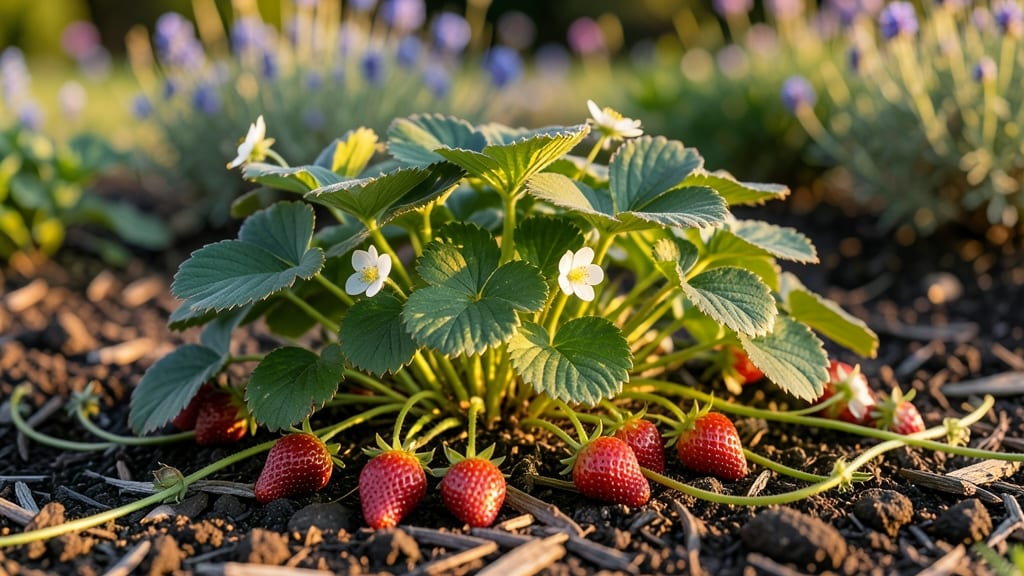
If you’ve ever wondered how tall strawberry plants grow, you’re not alone—many gardeners assume they’re just low, sprawling plants that stay close to the ground.
But the truth is, their height (or lack of it) depends entirely on the variety, and knowing the difference can transform how you plan your garden.
Most strawberries—especially the classic June-bearing types—top out at just 6 to 12 inches, making them perfect for small spaces or containers. Yet everbearing and day-neutral varieties can stretch slightly taller, especially if you’re growing them vertically.
The real secret? Their growth isn’t just upward—it’s outward, with runners that spread aggressively if left unchecked.
Whether you’re working with a compact 4-inch dwarf or a sprawling 18-inch standard, understanding these habits helps you choose the right spot, spacing, and even trellising. I’ll break down the exact heights for each type, plus how to manage their spread so your strawberry patch stays neat—and productive.
Ready to stop guessing and start growing like a pro? Let’s dive into the varieties, spacing tricks, and care tips that’ll keep your 🍓 strawberries thriving at the perfect height for your garden.


Strawberry plant height by variety: junebearing vs. everbearing vs. day-neutral
If you're planning your strawberry patch, the first thing to know is that strawberries grow mostly horizontally, not vertically. While their height stays modest (typically 6-12 inches at maturity), their spreading runners can create a lush ground cover or require containment.
The variety you choose determines both height and spread, so let’s break it down by type.
Most gardeners assume all strawberries are the same size, but junebearing varieties (like Jewel or Chandler) reach the fullest height at 12-18 inches when lush, while everbearing types (e.g., Seascape) stay shorter at 6-12 inches. Day-neutral varieties (like Albion) fall in between, typically 8-14 inches tall.
The key difference? Junebearers send out longer runners for propagation, while everbearers focus more on compact foliage.
Here’s the visual breakdown you need to plan your garden layout—whether you’re using raised beds, hanging baskets, or ground planting:
| Variety Type | Mature Height | Runner Spread | Best For |
|---|---|---|---|
| Junebearing (e.g., Chandler, Jewel) | 12–18 inches | 3–4 feet (aggressive) | Large patches, ground cover |
| Everbearing (e.g., Seascape, Ozark Beauty) | 6–12 inches | 1–2 feet (moderate) | Containers, small gardens |
| Day-Neutral (e.g., Albion, Tristar) | 8–14 inches | 2–3 feet (balanced) | Trellises, hanging baskets |
Junebearing varieties like Chandler or Jewel are the tallest, often reaching 18 inches when fully mature, but their sprawling runners can stretch 3-4 feet if unchecked. This makes them ideal for ground planting or large raised beds where you want to maximize berry production.
If you’re short on space, opt for everbearing types like Seascape, which stay 6-12 inches tall and produce fruit in multiple flushes throughout the season.
For container gardening or hanging baskets, day-neutral varieties like Albion or Tristar are perfect—they grow 8-14 inches tall and 2-3 feet wide, making them adaptable to vertical gardening.
Pro tip: Use trellis supports to lift the foliage and improve airflow, which reduces disease risk and makes harvesting easier.
If you’re growing strawberries in hanging baskets, dwarf varieties like Alpine (only 4-8 inches tall) are your best bet. These compact plants thrive in small containers and produce delicious berries without taking up garden space.
Just ensure the basket has drainage holes and use a lightweight potting mix to prevent root rot.
One common mistake is assuming all strawberries need the same spacing. Junebearers should be planted 18-24 inches apart to accommodate their aggressive runners, while everbearers can be spaced 12-18 inches apart. Day-neutral types fall in between at 14-20 inches.
Proper spacing prevents overcrowding, which leads to smaller berries and increased disease.
For first-year plants, expect 6-12 inches of growth by harvest time. After that, strawberries are perennial, meaning they’ll return year after year with similar height (unless you’re pruning aggressively).
The key to managing their size is regular pruning—removing old leaves and excess runners keeps plants compact and productive.
🍓
How strawberry plants spread: runner growth habits and containment strategies
Strawberries might not grow tall, but they spread aggressively horizontally through runners—those long, slender stems that root at the nodes. This habit is why your strawberry patch can quickly multiply from a few plants to a dense ground cover if you don’t manage it.
Understanding this growth pattern is key to controlling their spread, whether you want a contained bed or a lush ground cover.
Most strawberry varieties send out 10 to 20 runners per plant during their first growing season, and each runner can produce a new plant. Without intervention, these runners can sprawl up to 3 feet outward, turning your neat rows into a wild tangle.
The good news? You have full control over how much they spread—and how you use that energy.
If you’re growing strawberries in containers or small spaces, you’ll want to prune runners aggressively or choose day-neutral varieties, which produce fewer runners.
For ground covers or large garden beds, letting runners spread can actually increase your harvest over time, as each new plant will fruit the following year.
The key to managing runners is timing. Start checking for runners in late spring to early summer, when they begin to appear. At this stage, you can either pin them down to encourage rooting (if you want more plants) or remove them entirely to keep your patch tidy.
I’ll share my favorite methods for containment in the next steps.
One of my favorite tricks for managing runners is using a hula hoop trellis in containers. By training runners to grow upward, I’ve turned a 12-inch pot into a vertical strawberry tower that produces twice as many berries in the same space. It’s a game-changer for small gardens or balconies!
Remember, strawberries are perennial plants, meaning they’ll keep producing runners—and berries—year after year if given the right care. By controlling their spread now, you’ll set yourself up for a healthier, more productive patch for seasons to come. The choice is yours: wild and sprawling or tidy and contained.