
How To
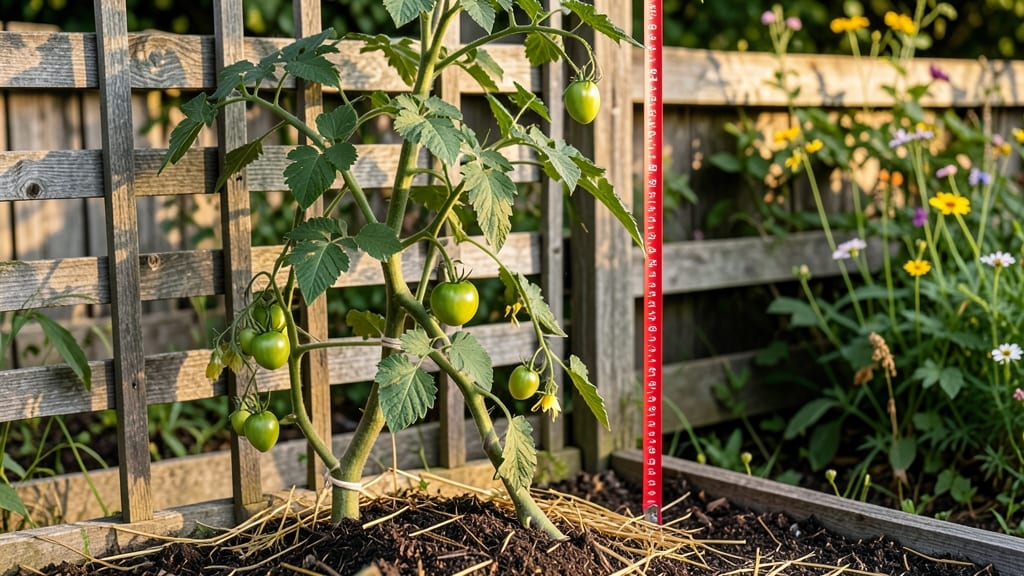
If you’ve ever wondered how tall a tomato plant will grow, the answer depends on one key factor: the variety you choose.
Some tomatoes grow just 1-3 feet tall, perfect for containers or small gardens, while others can reach towering heights of 6 feet or more—requiring serious support to keep them upright.
This isn't just about aesthetics; the height of your tomato plants directly impacts how you care for them. Determinate varieties stay manageable, while indeterminate types keep growing until frost, needing pruning and trellises to stay in check.
I'll show you exactly what to expect from each type and how to give your plants the right support for their growth habits.
Whether you're working with limited space or dreaming of a lush vertical garden, knowing your tomato's potential height helps you plan everything from planting spots to harvest strategies. Let's break down the differences so you can set up your garden for success from day one.
From dwarf varieties that fit on a windowsill to sprawling vines that need a sturdy cage, we'll cover all the details so you can grow tomatoes that thrive—no matter how much (or little) space you have.


Tomato plant height by variety: determinate vs indeterminate growth explained
When planning your tomato garden, the first question I always ask is: how tall will my tomato plants grow? The answer depends entirely on the variety you choose, as tomatoes fall into two main growth categories: determinate (bush types) and indeterminate (vining types).
These growth habits drastically affect height, yield, and even the support you'll need. Let me break down the key differences so you can pick the perfect variety for your space.
Determinate tomato varieties are the bush-type plants that grow to a specific height—typically between 3 to 5 feet—before stopping. They produce fruit all at once, making them ideal for container gardening or small spaces.
Indeterminate varieties, on the other hand, keep growing until frost, often reaching 6 to 10 feet or more if left unchecked. Their vining habit means continuous fruit production throughout the season.
Here’s the game-changer: support structures like cages, stakes, or trellises can influence how tall your tomato plants grow, even within the same variety. A determinate plant might stay compact in a cage, while an indeterminate variety will climb higher without proper support.
Let’s dive into the specifics so you can visualize what to expect in your garden.
🌱
Now that you understand the basics, let’s talk about popular varieties and their typical heights. For example, the Celebrity tomato (determinate) stays around 4 feet tall, while the Sungold cherry tomato (indeterminate) can climb to 8 feet or more if given the right support.
If you’re growing in containers, dwarf varieties like Tiny Tim (1–2 feet) are perfect for balconies or patios.
One of my favorite indeterminate varieties is Brandywine, which can reach 6–10 feet and produces massive, heirloom-quality tomatoes. However, without proper trellising or pruning, these plants can become unruly and prone to disease.
That’s why I always recommend using a 5–6 foot tall cage or a sturdy trellis to keep them contained and healthy.
If you’re short on space, determinate varieties like Roma or Better Boy are excellent choices. They stay compact, making them ideal for raised beds or even large pots.
Just remember: indeterminate plants need more attention—regular pruning, staking, and sometimes even topping (removing the top growth) to manage their height and improve air circulation.
Here’s a pro tip: If you’re growing indeterminate tomatoes in a small space, consider pruning suckers (the shoots that grow between the stem and branches) to control height and redirect energy to fruit production. This can reduce their height by 20–30% while increasing yield. It’s a win-win for space-saving gardens!
Finally, always check the seed packet or plant tag for specific height ranges. Some varieties, like Big Beef (indeterminate), can grow taller than expected if given ideal conditions. By knowing your variety’s growth habit, you’ll avoid surprises and create a garden that’s both productive and manageable
How to control tomato plant height: pruning, trellising, and support tips
Managing your tomato plant's height isn't just about aesthetics—it's about maximizing fruit production and preventing disease. The right support and pruning techniques can transform a sprawling mess into a productive, space-efficient plant.
For indeterminate varieties that grow 6 feet or taller, proper support is non-negotiable, while determinate types benefit from pruning to improve air circulation.
Start by choosing the right support system based on your plant's growth habit. Trellises work best for indeterminate varieties, while cages or stakes suit determinate plants. I recommend using galvanized metal cages for bush types—they're sturdy and prevent fruit rot by keeping tomatoes off the ground.
For vining types, a strong wooden or PVC trellis gives them room to climb vertically while keeping foliage elevated.
Here's how to prune like a pro: Remove suckers (the small shoots that grow between the main stem and branches) when they're about 2 inches long. This redirects energy to fruit production instead of leafy growth.
For indeterminate plants, prune lower leaves up to 12 inches from the ground to improve airflow and reduce disease risk. Always use clean, sharp pruners to avoid damaging stems or spreading pathogens.
Install stakes, cages, or trellises at planting time to avoid disturbing roots later. For tall varieties, use multiple supports or a strong central stake tied with soft plant ties.
Check for suckers every 5-7 days during the growing season. Pinch them off with your fingers or pruners—don't let them grow beyond 2 inches.
Gently weave vines through trellis openings and secure with soft ties. Never wrap ties tightly—they can girdle stems as the plant grows.
Trim leaves below the first fruit cluster to keep foliage 12+ inches above soil. This prevents blossom end rot and improves airflow.
If growing in containers, choose compact varieties or prune aggressively. For vertical gardens, use small trellises and prune to maintain a 3-foot height limit.
For container gardening, limit indeterminate plants to 3-4 feet tall by pruning suckers and removing lower branches. Use 5-gallon pots with tomato cages for determinate types—they'll stay contained while producing abundant fruit. Remember, the goal is to balance height control with fruit production, not stunting growth entirely.
Regular maintenance is key—check your plants weekly for new suckers or overgrowth. With the right support and pruning routine, even 6-foot-tall indeterminate varieties can thrive in small spaces. The payoff? Healthier plants, bigger yields, and fewer pests or diseases creeping in through dense foliage.
Pro tip: Save your pruned suckers! Place them in water to root, then transplant them as new plants for free additional tomatoes next season. Just ensure they're disease-free before propagating.