Companion Plants
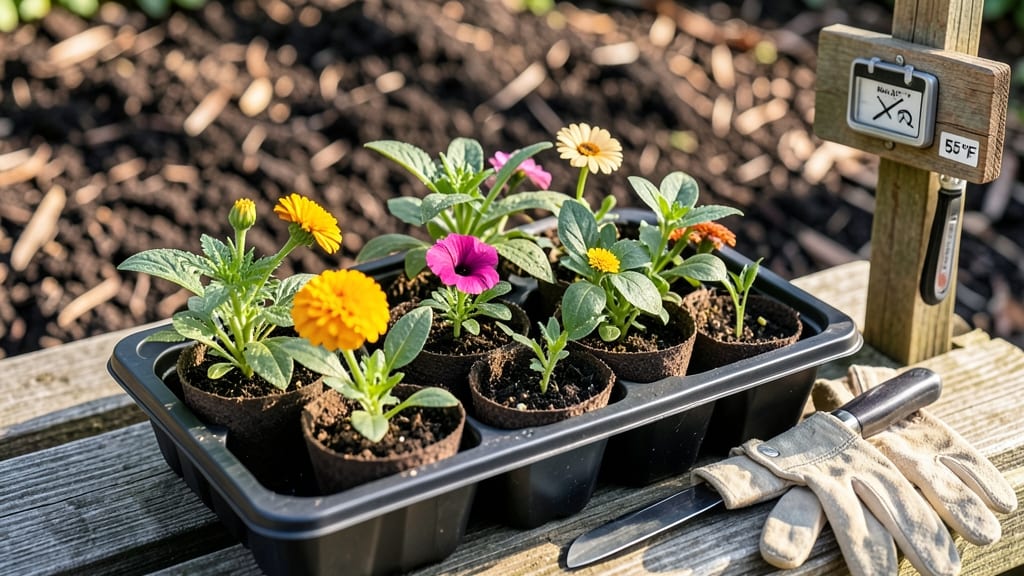
Planting annuals in Zone 5 at the wrong time can mean the difference between a vibrant garden and a sad pile of frost-killed seedlings—so getting the timing right is everything.
The key window opens after your last frost date, typically around mid-April to May, but knowing the exact week depends on your microclimate and the type of annuals you're growing.
I’ve learned the hard way that rushing too early with tender varieties like tomatoes or petunias can ruin your whole season. But with the right strategy, you can start hardy annuals like peas or lettuce weeks before the official last frost date and still enjoy a bountiful harvest.
The trick is understanding your local frost patterns and soil temperatures.
In this guide, I’ll break down the exact weeks before last frost to plant your favorite 🌸 annuals, plus how to adjust for cooler pockets in Zone 5.
You’ll also discover how to extend your growing season with simple frost protection hacks—so you can enjoy fresh veggies and blooms long after your neighbors have given up.
Whether you’re a first-time gardener or a seasoned pro, these actionable tips will help you time your plantings perfectly. Let’s get your Zone 5 garden off to the strongest start possible!
Zone 5 last frost dates: exact weeks before planting annuals by season
Timing your annuals in Zone 5 hinges on last frost dates, which typically fall between April 15 and May 15 depending on your exact location.
The USDA defines Zone 5 as having an average last frost around April 15, but microclimates—like urban areas or valleys—can shift this by 1-2 weeks. Always verify your local frost-free date using resources like the National Weather Service or Almanac’s Frost Calculator.
For cool-season annuals like lettuce or peas, you can plant 4-6 weeks before your last frost date. Meanwhile, warm-season favorites such as tomatoes or basil need to wait until 2 weeks after the frost date has passed.
This ensures your soil is warm enough (60°F+) for germination and growth.
Zone 5’s first frost usually arrives around October 15, giving you roughly 165 frost-free days to grow annuals. This shorter season demands strategic planning—especially for slow-starting plants like pumpkins or sunflowers, which need the full window to mature.
Regional variations matter! Cities like Chicago (Zone 5a) average a later last frost (May 1), while Boston (Zone 5b) sees frost linger until May 15. Adjust your planting schedule accordingly to avoid frost damage or stunted growth.
🌱
🌱 Zone 5 Annual Planting Timeline
| Season | Planting Window | Ideal Annuals | Soil Temp |
|---|---|---|---|
| Spring | 4-6 weeks before last frost | Peas, Lettuce, Spinach, Pansies | 40-50°F |
| Spring | 2 weeks after last frost | Tomatoes, Peppers, Basil, Marigolds | 60°F+ |
| Summer | June-July (succession planting) | Bush Beans, Zinnias, Nasturtiums | 65°F+ |
| Fall | 8-10 weeks before first frost | Kale, Radishes, Pansies, Snapdragons | 50-60°F |
💡 Pro Tip: Use row covers to extend spring/fall planting by 2-4 weeks.
To calculate your exact planting window, start by checking your local last frost date—then work backward for cool-season crops or forward for warm-season plants. For example, if your last frost is May 1, plant peas by April 15 but wait until May 15 for tomatoes.
This ensures your plants avoid frost damage while maximizing their growing season.
Hardy annuals like pansies or snapdragons can even tolerate light frosts, making them ideal for early spring or late fall plantings. Meanwhile, tender annuals such as petunias or geraniums should never face frost—save them for after your last frost date has passed.
Don’t forget to monitor soil temperature with a soil thermometer. Most warm-season annuals need soil at 60°F+, while cool-season varieties thrive in 40-50°F soil. Planting too early in cold soil can lead to rot or poor germination, even if air temperatures seem mild.
For succession planting, sow fast-growing annuals like radishes or bush beans every 2 weeks from June through July. This keeps your harvests continuous and your garden productive all summer long.
🌿
Zone 5 last frost dates: exact weeks before planting annuals by season
Zone 5’s last frost date typically falls between April 15 and May 1, but this varies by microclimate—urban areas warm faster than rural spots. To pinpoint your exact window, check local weather records or use the USDA Plant Hardiness Zone Map for your specific county.
For example, Chicago averages its last frost around April 20, while Denver sees it closer to May 5.
Most tender annuals like tomatoes, peppers, and petunias need soil temperatures above 60°F to thrive. You can plant hardy annuals like peas, lettuce, and spinach 3-4 weeks before your last frost date, as they tolerate cooler soils.
Always verify your local frost-free days—Zone 5 typically has 165 days between frosts, but this shifts yearly.
🌱 Zone 5 Planting Timeline by Season
| Season | Planting Window | Soil Temp | Annuals to Start |
|---|---|---|---|
| Early Spring | 3-4 weeks before last frost | 40-50°F | Peas, spinach, lettuce |
| Late Spring | After last frost (April-May) | 60°F+ | Marigolds, basil, tomatoes |
| Early Fall | 8-10 weeks before first frost | 55-65°F | Kale, pansies, radishes |
*Adjust for your local last frost date using Almanac data.
For fall planting, aim to sow seeds 8-10 weeks before your first frost (usually September 1-October 1). Cool-season annuals like kale, pansies, and radishes thrive in these conditions. Use row covers to extend the season another 2-3 weeks if needed.
I’ve successfully grown bok choy until November 15 in my Zone 5 garden by protecting it with lightweight fabric.
If you’re unsure about your exact last frost date, use the 50% probability rule: Plant when local forecasts show a 50% chance of frost or lower. Apps like Old Farmer’s Almanac or Weather Underground provide hyperlocal data.
Pro tip: Plant test rows of fast-growing annuals like radishes 2 weeks before your target date to gauge soil warmth.
Remember, soil temperature matters more than air temperature. Use a soil thermometer to confirm readiness—most annuals need 55-60°F for optimal germination. In cooler Zone 5 pockets, consider black plastic mulch to warm the soil faster.
I’ve seen 2-3°F warmer soil within days of laying down mulch, which makes all the difference for heat-loving plants.
Timing your plantings correctly in Zone 5 isn’t just about avoiding frost—it’s about maximizing your garden’s peak productivity. By following these exact weeks and adjusting for your microclimate, you’ll enjoy longer harvests and healthier plants all season long. 🌿