
Plants
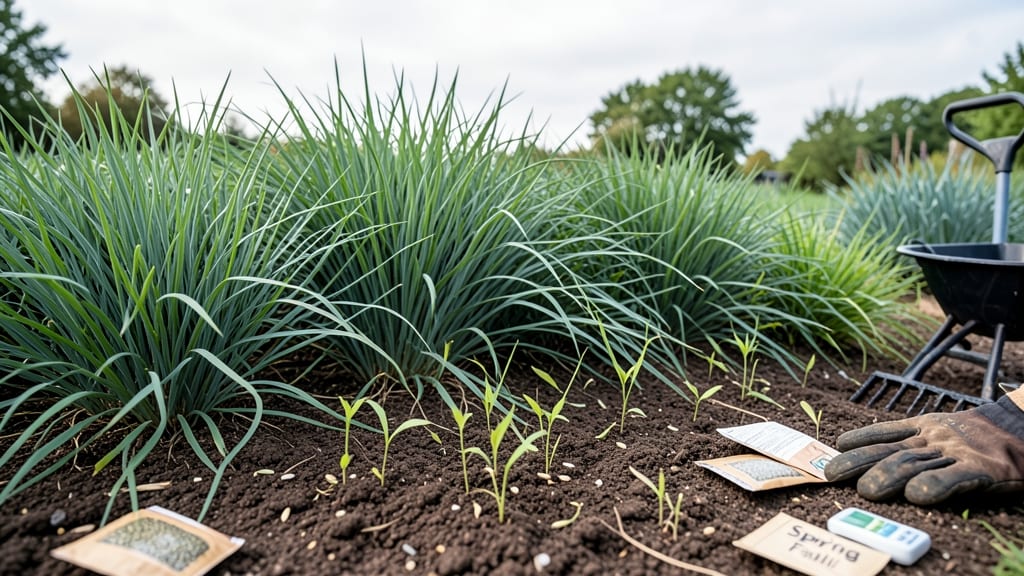
Planting Grass (Turfgrass) 🌱 in Ohio isn’t just about grabbing seed and tossing it on the ground—timing makes or breaks your lawn’s success. If you get it wrong, you’re staring at patchy growth or wasted money, thanks to Ohio’s fickle spring weather and unpredictable frost dates.
Here’s the secret: soil temperature is your real deadline, not just the calendar. Grass seeds need the ground to stay consistently between 50–65°F for 4–6 weeks to germinate properly.
In Ohio’s 6a zone, that means planting 4–6 weeks before the last frost (around mid-April) or in early fall when temperatures dip back down—typically late September.
Why does this matter? Because rushing too early risks frost damage, while waiting too long lets summer heat dry out your new grass before it takes root. I’ll break down the exact window for your region, plus how to prep your soil so your lawn doesn’t just survive—it thrives.
Skip the guesswork and learn the best time to plant based on Ohio’s microclimates, from urban heat islands to rural frost pockets. Let’s get your grass off to the right start.
Ohio’s ideal grass planting window: soil temperature & frost dates by region
Ohio’s grass planting season hinges on two critical factors: soil temperature and frost-free dates. Unlike many states, Ohio’s regions vary significantly—northern areas like Cleveland face later frost dates than southern zones like Cincinnati.
For cool-season grasses (like Kentucky Bluegrass or Tall Fescue), the sweet spot is when soil warms to 50–65°F—typically late March to early April in most of Ohio.
But timing isn’t just about avoiding frost. Planting too early risks seed rot from cold, wet soil, while waiting too long lets weeds take over. The fall window (early September to mid-October) offers a second chance, giving grass roots time to establish before winter dormancy.
In USDA Zone 6a, Ohio’s most common zone, your last frost date averages around April 15, but urban areas like Columbus may see frost linger until May 1.
To nail your timing, check local frost data from the Old Farmer’s Almanac or your county’s agricultural extension office. For example, Toledo’s frost-free window opens 2 weeks earlier than Youngstown’s. Planting 4–6 weeks before the last frost ensures seeds germinate in stable conditions—no more guessing games!
🌱 Did You Know? Ohio’s microclimates can shift planting windows by 3+ weeks. A south-facing slope warms faster than a shaded yard, while urban heat islands may delay frost in cities like Dayton.
| Region | Ideal Planting Window | Soil Temp Threshold | Last Frost Date (Avg.) |
|---|---|---|---|
| Northern Ohio (Cleveland, Toledo) | Late March–Early April / Early Sept–Mid-Oct | 50–60°F | April 15–May 1 |
| Central Ohio (Columbus, Dayton) | Early April–Mid-April / Late Aug–Early Oct | 55–65°F | April 1–April 15 |
| Southern Ohio (Cincinnati, Lexington) | Mid-March–Early April / Early Sept–Mid-Oct | 50–65°F | March 20–April 5 |
| Urban Heat Islands (Cleveland, Columbus) | Adjust 1–2 weeks later | 55–70°F | April 20–May 5 |
If you’re planting warm-season grasses (like Bermuda or Zoysia), wait until soil reaches 65–75°F, typically late May to June. These grasses thrive in summer heat but struggle in Ohio’s cool springs.
For most homeowners, cool-season grasses are the better bet—they handle Ohio’s hot summers and cold winters far better.
Fall planting is often overlooked but ideal for Ohio. Grass seeds sown in September germinate in warm soil, establish roots before winter, and outcompete weeds the following spring. Aim to plant 6–8 weeks before the first frost (usually by October 15) to avoid dormancy issues.
Don’t let Ohio’s variable weather catch you off guard. Monitor weekly soil temps and adjust your schedule. A delayed spring? Shift to late April or early fall. A hot, dry summer? Overseed in September to fill bare spots. The key is flexibility—your lawn will thank you!
For extra peace of mind, test your soil’s pH and nutrient levels 2–3 weeks before planting. Ohio’s clay-heavy soils often need gypsum or compost to improve drainage. A soil test kit (available at garden centers) costs $20 and saves you from wasted seed.
Remember: Timing is everything. Plant at the wrong time, and you’ll battle fungus, weeds, or drought stress all season. But get it right, and you’ll have a lush, low-maintenance lawn by summer—no shortcuts needed!
Ohio’s ideal grass planting window: soil temperature & frost dates by region
Ohio’s USDA Zone 6a climate means your grass planting success hinges on two critical factors: soil temperature and frost-free dates. Cool-season grasses like tall fescue and Kentucky bluegrass (Ohio’s favorites) need the ground to stay between 50–65°F for 4–6 weeks to germinate properly.
Warm-season grasses like zoysia prefer 65–75°F soil, but they’re less common in Ohio’s lawns.
Most Ohioans should plant 4–6 weeks before the last frost date (around mid-April in most regions) or in early fall (late September) when temperatures dip back down.
Northern Ohio’s colder microclimates (like Toledo or Cleveland) may need to wait until late April, while southern Ohio (like Cincinnati or Columbus) can start as early as mid-March. Urban areas often warm up faster due to heat islands, so adjust accordingly.
Here’s the key: Don’t plant when soil temps fluctuate. A late frost after planting can kill tender seedlings, while waiting too long risks summer drought stress. Use a soil thermometer to confirm conditions—it’s the only way to avoid guesswork.
Fall planting in Ohio is a game-changer because cooler temps reduce weed competition and drought stress. Aim for late September when daytime highs drop below 75°F—this gives grass 6–8 weeks to establish roots before winter dormancy.
Just avoid planting too close to the first frost (usually mid-October), or seedlings won’t have time to harden off.
One more tip: Overseeding in fall is ideal for repairing thin lawns. Cool-season grasses grow aggressively in Ohio’s mild autumn, filling in bare spots before winter. Just remember—water deeply 2–3 times weekly until germination (about 10–14 days) to keep soil moist but not soggy.
Timing your grass planting right in Ohio isn’t rocket science—it’s about reading your soil’s temperature and respecting frost dates. Skip the guesswork, and your lawn will thank you with lush, weed-free growth all season long. 🌿