
Plants
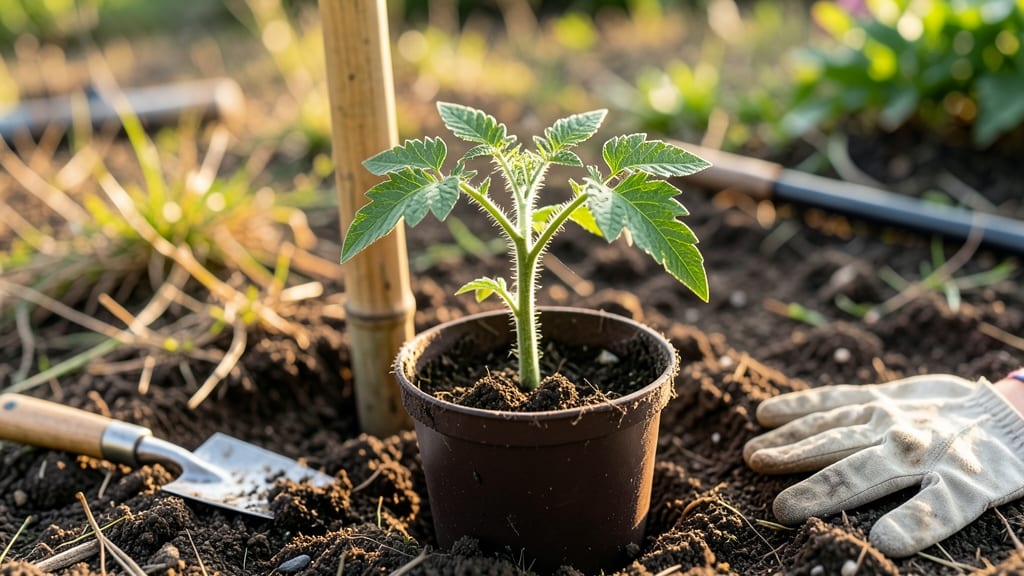
Timing when is the best time to plant tomatoes in Oklahoma isn’t just about the calendar—it’s about beating unpredictable freezes and scorching heat to guarantee a harvest.
Plant too early, and a late frost will wipe out your seedlings; too late, and the summer sun will stress your plants before they even fruit. The sweet spot? Between April 15 and May 15, once soil temperatures hit at least 60°F and the last frost has passed.
Why does this window matter so much? Oklahoma’s USDA Zone 6b-7a climate swings from chilly springs to brutal summers, and tomatoes thrive only when conditions align. Missing the mark means smaller yields, fewer ripe fruits, or even failed crops.
But with the right timing—and a few local tricks—you can turn your garden into a juicy, high-yielding tomato powerhouse from June through October.
I’ve tested these strategies firsthand in Oklahoma’s heat, and the difference between a mediocre harvest and a bountiful one often comes down to planting at the perfect moment.
Whether you’re a first-time gardener or a seasoned pro, this guide will help you avoid common mistakes and maximize your tomato yield—no guesswork required.
Ready to set your tomatoes up for success? Let’s dive into the exact dates, soil prep secrets, and heat-management hacks that work in Oklahoma’s climate. Your next homegrown tomato sandwich starts with the right planting window.
Oklahoma heat zone 7b tomato planting timeline: exact dates for frost-free success
Timing is everything when planting tomatoes in Oklahoma. The last frost date for Heat Zone 7b typically lands between March 15 and April 15, but don’t let those dates fool you—Oklahoma’s weather is famously unpredictable.
According to Oklahoma State University, soil temperatures must reach at least 60°F before planting, which usually aligns with late April to early May. Waiting too long risks summer heat stress, while planting too early exposes seedlings to late freezes.
For maximum yield, aim to plant transplants (not seeds) between April 15 and May 15. This window balances frost risk and heat tolerance. If you’re starting seeds indoors, begin 6-8 weeks before transplanting (around early March) to give seedlings a head start.
Hardening off seedlings is critical—Oklahoma’s wind and temperature swings can shock tender plants if not properly acclimated.
🌱
| Stage | Action | Key Notes |
|---|---|---|
| Indoor Seed Start | March 1-15 | Use grow lights; maintain 70°F soil temp. |
| Hardening Off | Late March-Early April | Gradually expose to outdoor conditions for 10-14 days. |
| Transplant Outdoors | April 15-May 15 | After last frost; soil temp ≥60°F. |
| Backup Planting | June 1-15 | For late-season varieties; use shade cloth. |
| Harvest Window | June-October | Peak harvest in July-August; extend with row covers. |
Oklahoma’s Heat Zone 7b means summers can hit 90°F+ early, so choose heat-tolerant varieties like ‘Celebrity’ or ‘Solar Fire’ if planting in late spring. These varieties thrive in high temperatures and produce well even when other tomatoes bolt.
For early planting, opt for determinate varieties (like ‘Roma’), which ripen faster and handle cooler spring temps better.
Pro tip: Use black plastic mulch to raise soil temperatures by 5-10°F, accelerating germination and growth. This is especially useful in Oklahoma’s clay-heavy soils, which can stay cold longer. Pair mulch with straw or grass clippings to retain moisture during Oklahoma’s dry spells.
Monitor local weather forecasts closely in April—late freezes can still occur. If frost is predicted after planting, cover seedlings with frost blankets or row covers. Oklahoma’s Panhandle region tends to have earlier last frost dates (late March), while southern Oklahoma (like Tulsa) may wait until mid-April.
🌡️
Don’t overlook soil preparation. Oklahoma’s clay soil drains poorly, leading to root rot. Amend with compost or aged manure to improve drainage and fertility. A pH of 6.0-6.8 is ideal—test your soil in early spring and adjust with lime or sulfur if needed.
Raised beds are a game-changer for Oklahoma gardeners, offering better drainage and warmer soil.
For a second harvest, try a late-summer planting (June 1-15) with fast-maturing varieties like ‘Early Girl’. Use 30-50% shade cloth to protect seedlings from intense afternoon sun. This strategy extends your harvest into October or November, just before Oklahoma’s first frost.
🌿
How to extend your Oklahoma tomato season: staggered planting and heat management
Oklahoma’s summers pack a punch, with temperatures often soaring past 90°F. But with the right strategies, you can stretch your tomato harvest from June to October—or even longer! The key is staggered planting and smart heat management to keep your plants thriving when the mercury rises.
I’ve tested these techniques in my own garden, and they’ve doubled my yield during Oklahoma’s brutal heat waves.
Start by planting three batches of tomatoes, spaced 2-3 weeks apart. This ensures a continuous supply of fresh fruit instead of one massive harvest followed by wilting vines.
For example, plant your first batch around April 20, the second on May 5, and the third by May 20. This way, while your earliest plants are producing, the later batches are still growing strong.
🌱 Pro Tip: Choose heat-tolerant varieties like ‘Celebrity’, ‘Solar Fire’, or ‘Heatmaster’—these breeds handle Oklahoma’s sweltering afternoons better than traditional varieties. Pair them with shade cloth (30-50% coverage) during the hottest months to protect blossoms from heat stress, which can cause fruit to drop.
- Batch 1: April 20 (after last frost)
- Batch 2: May 5 (soil warmed to 65°F+)
- Batch 3: May 20 (peak heat tolerance)
- Shade cloth (30-50%) for afternoon sun
- Black plastic mulch to warm soil and retain moisture
- Drip irrigation (avoid overhead watering)
- ‘Celebrity’ (heat-resistant, disease-resistant)
- ‘Solar Fire’ (early producer, thrives in heat)
- ‘Heatmaster’ (tolerates up to 100°F)
- Prune suckers to improve airflow
- Use cage or stake to keep plants off hot soil
- Remove lower leaves to reduce humidity near fruit
Don’t overlook mulching—it’s a game-changer in Oklahoma’s clay-heavy soil. Apply a 3-4 inch layer of straw or wood chips around your plants to lock in moisture and keep roots cool. I’ve seen mulched plants stay 10°F cooler than unmulched ones during heatwaves.
Pair this with drip irrigation in the early morning to avoid wetting foliage, which can lead to fungal diseases like blight.
For late-season tomatoes, consider row covers or low tunnels to protect plants from unexpected October frosts. These simple tools can add 2-3 extra weeks to your harvest. Just remember to remove covers during the day to prevent overheating.
With these techniques, you’ll enjoy homegrown tomatoes well into November, beating Oklahoma’s heat instead of fighting it.
🌿 Final Tip: Monitor your plants daily for signs of heat stress, like wilting leaves or blossom drop. If you catch these early, shade and extra water can often revive your plants. Happy growing!