
Plants
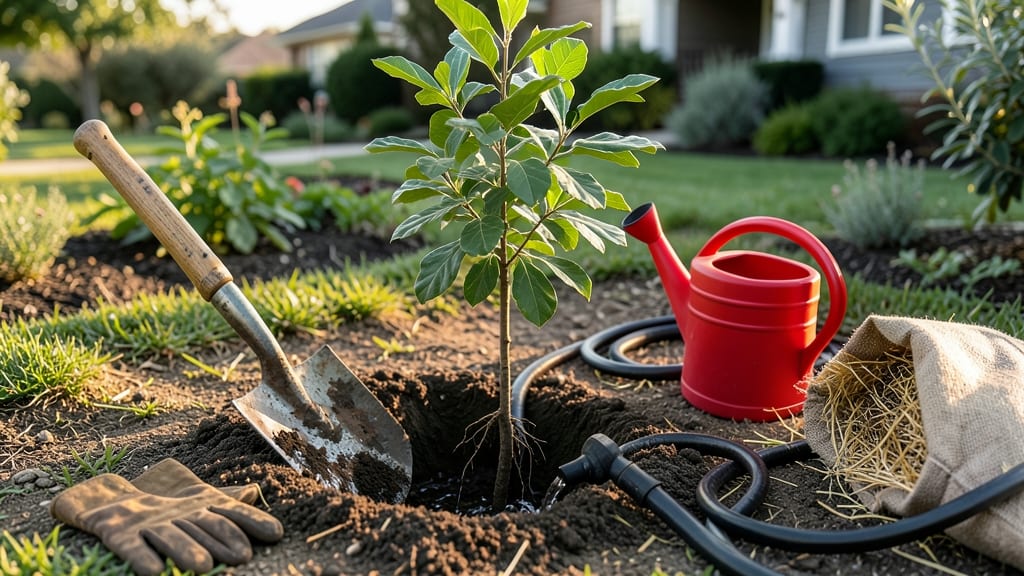
Planting a tree in Texas at the wrong time can turn your $100 investment into a sad, struggling sapling—or worse, a dead one.
With scorching summers, unpredictable frost, and soil that varies from sandy to clay-heavy, timing isn’t just important; it’s the difference between a thriving 🌳 and a failed project.
Most Texas gardeners assume spring is the only safe bet, but that’s a myth—especially in zones like 6a-10a, where heat and drought can stress young roots. The truth? The best months depend on your region, the tree species, and even your soil type.
I’ll break down the science so you can plant with confidence, whether you’re in North Texas’s cooler winters or South Texas’s extended growing season.
You’ll learn why fall and winter are actually ideal for root establishment, how to adjust for drought-resistant varieties, and the critical mistakes that kill trees before they even take hold. No more guessing—just a step-by-step guide tailored to Texas’s unique challenges.
Ready to plant a tree that’ll stand strong for decades? Let’s dive into the exact windows, soil prep tips, and species that thrive when you follow these rules. Your future shade—and wallet—will thank you.
Best months to plant trees in Texas by region (avoid these deadly mistakes)
Texas isn’t one-size-fits-all when it comes to planting trees. The Lone Star State’s diverse climate zones—from North Texas’s chilly winters to South Texas’s brutal summers—mean your timing can make or break your tree’s survival.
Plant at the wrong time, and you risk transplant shock, fungal diseases, or stunted growth. But get it right, and your tree will establish roots like a pro.
Most Texas gardeners swear by fall or winter planting because cooler temps and higher soil moisture give roots time to settle before summer’s heat. However, drought-resistant species like Texas Mountain Laurel or Everbgreen Oak can handle spring or even summer planting if you’re prepared.
Let’s break it down by region to avoid costly mistakes.
🌱 Key Rule: Always plant when soil temps stay below 75°F and avoid extreme heat or frost. Use this table to match your Texas region with the best planting window.
| Region | Best Planting Months | Critical Temp Thresholds | Soil Prep Tip |
|---|---|---|---|
| North Texas (Zones 7b-8a) | November–March | Soil temps below 65°F (avoid frost) | Amend clay-heavy soil with compost |
| Central Texas (Zones 8a-9a) | February–April | Soil temps below 70°F (avoid late spring heat) | Test for alkaline soil (add sulfur if needed) |
| South Texas (Zones 9a-10a) | January–March | Soil temps below 75°F (humidity matters) | Improve drainage in sandy soils |
| West Texas (Zones 7b-9a) | October–December | Soil temps below 60°F (drought risk) | Mulch heavily to retain moisture |
In North Texas, where winters can dip below freezing, planting from November to March avoids frost damage while giving roots time to establish before summer’s heat. Central Texas gardeners have a slightly longer window—February to April—but must watch for sudden heat spikes that can stress young trees. South Texas’s warmer climate allows planting as late as March, but humidity and fungal risks rise after that.
West Texas is the trickiest due to extreme drought and temperature swings. Planting in October or November lets roots establish before summer’s brutal dry spells. Pro tip: Bare-root trees planted in winter (dormant season) outperform container-grown trees in Texas’s harsh conditions.
Always check local frost dates—your county extension office has the latest data.
One common mistake? Planting in summer or late spring without extra care. Young trees struggle to transpire enough water to cool themselves, leading to leaf scorch or death.
If you must plant in summer, choose shade-tolerant species like Texas Redbud or Eastern Red Cedar, and water deeply every 3-5 days.
Regardless of region, avoid planting during extreme heat waves (temps above 90°F) or prolonged droughts. Even drought-resistant trees like Mesquite or Ashe Juniper need 6-12 months of recovery after transplanting. Plan ahead: Test your soil in fall, amend it, and mark your calendar for the best window.
🌳 Pro Tip: Use mycorrhizal fungi at planting time to boost root growth in Texas’s often poor native soil. These beneficial microbes form symbiotic relationships with tree roots, helping them absorb water and nutrients faster—critical in our alkaline, clay-heavy soils.
How to prepare your Texas soil and site for tree planting success
Texas soil isn’t one-size-fits-all—it ranges from sandy loam in West Texas to clay-heavy in East Texas, with alkaline pH levels that can stunt root growth. Before planting, I always test my soil’s pH and texture because a tree’s survival hinges on these factors.
For most trees, aim for a pH between 6.0 and 7.5; if yours is higher (common in Texas), amend with sulfur or peat moss to lower it gradually over 2-3 months.
Start by collecting soil samples from 6 inches deep around your planting site. Send them to your local AgriLife Extension office (they’re free!) or use a home test kit. If your soil is too sandy, mix in compost or aged manure to improve water retention.
For clay soil, work in organic matter like pine bark fines to break up compaction. I’ve seen trees planted in unamended clay soil struggle for years—don’t let that be yours!
Fresh organic matter heats up and can burn young roots. Use composted materials only, and keep mulch 3 inches away from the tree trunk to prevent rot.
Next, consider your site’s drainage and sunlight. Texas trees need well-draining soil—poor drainage leads to root rot, especially in heavy clay. If your yard pools water after rain, plant on a slight mound or amend the soil with perlite or coarse sand.
For sunlight, most Texas trees thrive in full sun (6+ hours daily), but species like Southern Magnolia tolerate partial shade. Avoid planting under power lines or mature trees that will compete for water and nutrients.
Urban gardeners face extra challenges like compacted soil and limited space. If you’re planting in a city, loosen the soil to 12-18 inches deep with a shovel or rent a post-hole digger.
Add mycorrhizal fungi (available at nurseries) to boost root growth—it’s a game-changer for stressed urban trees. I’ve seen 30% faster establishment in trees treated with these beneficial microbes.
Finally, plan for mulching and watering infrastructure. Lay down 2-4 inches of mulch (wood chips or straw) within the drip line of the tree’s canopy, but never pile it against the trunk. Install a soaker hose or drip irrigation to deliver deep, consistent watering—shallow watering encourages weak roots.
In my own yard, I use a smart irrigation controller to automate watering based on rainfall sensors, saving time and ensuring roots get the moisture they need.
With these prep steps, your tree will have the best possible start, no matter where in Texas you live. The key is patience—amending soil takes time, but it’s worth it for a tree that thrives for decades. 🌱