
Plants
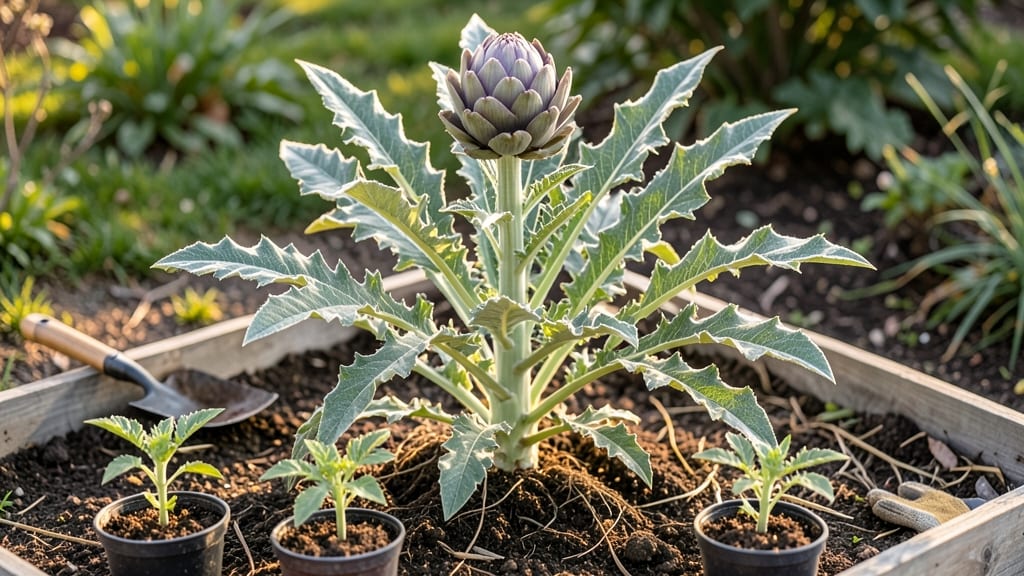
Planting artichokes in Zone 9’s warm climate isn’t just about timing—it’s about catching that sweet spot between heat and frost-free growing conditions.
If you miss the window, you might end up with bitter buds or no harvest at all, and that’s a real bummer for anyone dreaming of homegrown artichokes 🌱.
The key to success lies in late winter to early spring, when soil temperatures are just right for germination.
Unlike cooler zones, Zone 9 gardeners (think Southern California, Phoenix, or Las Vegas) don’t have to worry about frost, but they do need to avoid planting too early—artichokes hate bolting in the heat.
I’ll break down the exact months to plant, plus soil prep and care tips to ensure your artichoke plants thrive.
You’ll learn how to adjust for microclimates, choose the best varieties for your region, and even how to extend your harvest window. Whether you’re a first-time gardener or a seasoned pro, these strategies will help you grow plump, flavorful artichokes without the guesswork.
Ready to turn your garden into an artichoke powerhouse? Let’s dive into the optimal planting schedule and care routine that’ll have you harvesting like a pro by spring.
Best planting months for artichokes in Zone 9’s warm climate
Zone 9’s mild winters and hot summers make artichoke planting a delicate balance. Unlike cooler zones, you won’t deal with frost, but temperature thresholds of 50°F–75°F are critical for germination and growth.
Plant too early, and your artichokes will bolt prematurely—turning bitter before harvest. Too late, and you’ll miss the ideal 120–150-day growing window before summer heat sets in.
In my Southern California garden, I’ve found that late winter to early spring (February–March) is the sweet spot. This timing aligns with soil warming trends and avoids the peak summer heat that can stress young plants.
For Arizona and Florida’s Zone 9 regions, aim for March–April to escape early heatwaves that can stunt growth.
Artichokes thrive on consistent temperatures, so microclimates matter. Coastal areas like San Diego can plant slightly earlier (January), while inland desert zones (e.g., Phoenix) should wait until mid-March when nighttime temps stabilize above 55°F.
Always monitor your local 10-day forecast—sudden cold snaps (below 45°F) can delay germination.
| 📅 Planting Window | 🌡️ Ideal Soil Temp | 🌱 Growth Stage | 💡 Zone 9 Tip |
|---|---|---|---|
| Late January–Early February | 50°F–60°F | Germination | Risk of bolting; best for coastal areas |
| February–March | 60°F–70°F | Seedling establishment | Optimal for most of Zone 9 |
| March–April | 65°F–75°F | Active growth | Best for desert climates; avoid May heat |
| May–June | Above 80°F | Stress/bolting | Only for fall crops (rare in Zone 9) |
For fall planting (a rare but possible strategy in Zone 9), sow seeds 8–10 weeks before your first expected frost—though frost is unlikely, sudden cool snaps can occur in high-elevation areas.
I’ve had success with ‘Green Globe’ artichokes planted in late August for a fall harvest, but this requires shade cloth (30–50%) to protect from late-summer heat.
Pro tip: Use a soil thermometer to confirm temps. Artichoke seeds need consistent 60°F+ soil to germinate reliably. In my garden, I bury the thermometer 2 inches deep—the depth where seeds will be planted—and adjust my planting date if temps dip below 55°F for more than 3 days.
Remember, Zone 9’s long growing season is your advantage. Unlike northern climates, you can often get two harvests per year if you stagger plantings. For example, plant one batch in February and another in late August to extend your harvest into early winter before summer heat returns.
If you’re in a coastal Zone 9a (e.g., Santa Barbara), lean toward January–February plantings. For desert Zone 9b (e.g., Palm Springs), wait until mid-March to avoid the April–May heatwave that can cause flower bolting within weeks.
Finally, transplanting young artichokes (purchased from nurseries) gives you flexibility. I’ve had great luck setting out 4–6 week old starts in March, which gives them a head start before summer’s intensity. Just harden them off for 7–10 days first to avoid transplant shock.
Timing is everything—get it right, and you’ll enjoy homegrown artichokes from April through June in Zone 9. Miss the window, and you’ll be left with bitter, woody stalks instead of tender, flavorful buds. 🌱
Best planting months for artichokes in Zone 9’s warm climate
In Zone 9, where frost is rare and summer heat dominates, timing your artichoke planting is all about avoiding heat stress and premature bolting. Unlike cooler climates, Zone 9 gardeners must focus on soil temperature and day length rather than frost dates.
The ideal window is late winter to early spring, specifically February through April, when soil temps hover between 60°F and 70°F.
Why this window? Artichokes need cool soil to germinate but will bolt if exposed to consistent 80°F+ temps too soon. In Southern California, aim for March planting—this gives plants time to establish roots before summer heat peaks.
In Phoenix or Las Vegas, opt for February to beat the early desert heat.
🌱 Zone 9 Artichoke Planting Timeline
| Stage | Action | Best Months |
|---|---|---|
| Soil Prep | Amend with compost, test pH (6.5-7.5) | January-February |
| Plant Seeds/Transplants | Direct sow or transplant 12" apart | February-April |
| Germination | Keep soil moist (60°F-70°F) | 2-3 weeks |
| First Harvest | Bud tight, bracts closed | May-June |
⚠️ Pro Tip: Plant 'Green Globe' varieties in February for earliest harvests in Zone 9.
Microclimates matter in Zone 9! Coastal areas like San Diego can plant 1-2 weeks later than inland deserts due to cooler ocean breezes. Conversely, Palm Springs gardeners should plant by mid-March to avoid summer heat stress.
Always check your local last frost date (though Zone 9 rarely has frost, sudden cold snaps can occur).
For a second harvest, try a fall planting in September—this works in cooler Zone 9a areas but risks bolting in hotter Zone 9b. Use shade cloth if attempting fall planting to protect young plants from 90°F+ temps.
I’ve had success with this method in Tucson, where fall evenings cool quickly.
Remember: Artichokes hate heat. If your area hits 95°F+ consistently, prioritize shade protection or opt for heat-tolerant varieties like 'Violetto'. The goal is to give plants time to mature before summer’s intensity peaks—typically by late May in most of Zone 9.
Start with transplants if possible—they establish faster than seeds. For seeds, soak them overnight to speed germination. And always mulch heavily to retain moisture during Zone 9’s dry spells. With the right timing, you’ll be harvesting plump, flavorful artichokes by spring! 🌿