
Plants
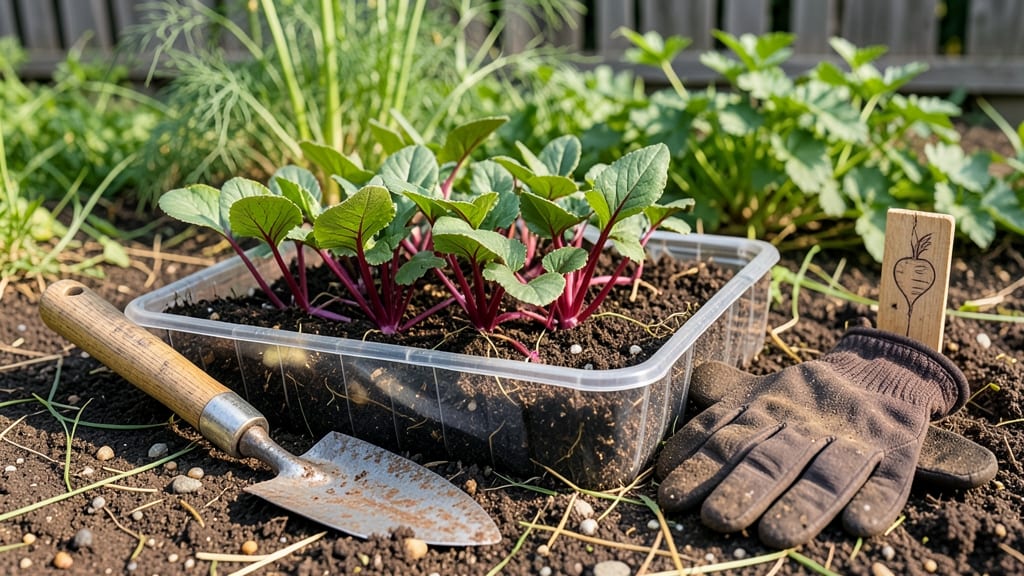
Timing your beet planting in Maine can mean the difference between a bountiful harvest of sweet, crisp 🍠 and a sad, stunted mess. With frost dates that shift from coastal Portland to inland Bangor, getting those seeds in the ground at the right moment is the key to success.
Most gardeners in USDA zones 5b-6b know spring and fall are the prime windows, but Maine’s short growing season demands precision. Plant too early, and a late frost will nip your seedlings; too late, and your beets won’t mature before winter sets in.
The ideal planting windows are March 15 to May 1 for spring and July 1 to August 15 for fall, but regional microclimates can tweak those timelines.
Whether you're direct-sowing seeds or starting them indoors, understanding your local frost dates and soil temperatures is non-negotiable. I’ll walk you through exactly when to plant, how to adjust for Maine’s coastal vs. inland differences, and the best varieties to choose for reliable harvests from June through October.
Ready to grow beets that rival the ones at your favorite farmers' market? Let’s dive into the frost-free timeline that’ll give you the perfect harvest—no guesswork, just great-tasting roots.
Maine’s frost-free timeline for beet planting: month-by-month breakdown
Timing your beet planting in Maine is all about working with—not against—the cool, short growing season. With USDA zones 5b-6b, you’ll need to plan for both spring and fall harvests to maximize your yield.
The key is understanding last frost dates, which typically fall around mid-May in most regions, but can vary by 1-2 weeks depending on microclimates.
Beets thrive in 50-65°F soil temperatures, so waiting until the ground warms is crucial. Early varieties like 'Detroit Dark Red' can handle cooler soils, while late varieties like 'Chioggia' need warmer conditions to mature properly.
My rule of thumb? Start seeds 4-6 weeks before your last frost date for spring planting, and aim for July-August for fall harvests.
Here’s the breakdown you need to plan your beet planting like a pro:
| Season | Planting Window | Soil Temp | Days to Harvest | Notes |
|---|---|---|---|---|
| Spring | March 15 - May 1 | 50-65°F | 50-70 days | Use frost cloth if planting early |
| Early Spring | March 15 - April 15 | 45-55°F | 60-70 days | Choose cold-hardy varieties |
| Late Spring | April 15 - May 1 | 55-65°F | 50-60 days | Best for main harvest |
| Fall | July 1 - August 15 | 55-70°F | 50-60 days | Avoid planting after August 15 |
| Early Fall | July 1 - July 31 | 60-70°F | 50-55 days | Harvest before first frost |
| Late Fall | August 1 - August 15 | 55-65°F | 60-70 days | Use row covers for protection |
For spring planting, I recommend starting with early varieties like 'Early Wonder' or 'Babybeat' in late March to mid-April. These can tolerate cooler soils and give you a head start.
If you’re in a cooler microclimate, like the Acadia region, wait until mid-April to avoid frost damage to young seedlings.
When it comes to fall planting, the window is tight but rewarding. July is ideal for most of Maine, but if you’re in warmer inland areas like Presque Isle, you can push it to early August.
The goal is to have beets mature before mid-October’s first frost. I’ve had great success with 'Golden' varieties in fall—they store well and add sweetness as temps drop.
Pro tip: Use succession planting every 2 weeks in spring and fall to ensure a continuous harvest. This works especially well in Maine’s short growing season, where you might only have 120-150 frost-free days. By staggering plantings, you’ll always have fresh beets ready to pull from the garden.
Don’t forget to test your soil before planting—beets prefer pH 6.0-7.0. If your soil is too acidic, amend it with lime in early spring. I also recommend adding compost to improve drainage, as beets hate soggy roots.
With the right timing and soil prep, you’ll be harvesting crisp, sweet beets all summer long.
🌱
How to adjust beet planting for Maine’s microclimates: coastal vs. inland strategies
Maine’s geography creates distinct microclimates that can shift your beet planting timeline by 2-3 weeks. Coastal areas like Portland and Bar Harbor enjoy milder winters and later frosts, while inland regions such as Bangor and Presque Isle face earlier freezes.
These differences mean your spring planting window could start 2 weeks earlier near the coast versus inland.
For coastal gardeners, late March to early April is ideal for direct sowing, thanks to the moderating ocean influence. Inland gardeners should wait until mid-April to avoid frost damage.
The same principle applies to fall planting: coastal areas can extend harvests into late September or early October, while inland gardeners should finish by mid-September.
Here’s how to tailor your approach based on your location:
| Factor | Coastal Maine (Zones 6a-6b) | Inland Maine (Zones 5b-5a) |
|---|---|---|
| Last Frost Date | Mid-May (May 10-15) | Early May (May 1-5) |
| First Frost Date | Late October (Oct 20-25) | Mid-October (Oct 10-15) |
| Spring Planting Window | Late March - Early May | Mid-April - Early May |
| Fall Planting Window | Early July - Late August | Late June - Mid-August |
| Soil Warming Tip | Use black plastic mulch | Cold frames or row covers |
| Cold-Hardy Varieties | Detroit Dark Red, Golden | Boltardy, Ruby Queen |
If you’re in a transitional zone (like the mid-coast), consider succession planting every 2 weeks from late April through June. This staggered approach ensures a steady harvest and minimizes frost risk.
For inland gardeners, row covers can extend your spring window by 3-4 weeks and protect fall crops until early November.
Always check your local USDA frost map or use a frost calendar from your county extension office. These resources provide the most accurate data for your specific location—because in Maine, a 5-mile difference can mean a 10-day difference in frost dates!
Pro tip: Plant early varieties like 'Babybeat' in March if your soil is workable, even if frost is still possible. These fast-maturing types (ready in 45 days) can handle light frosts and give you a jumpstart on the season.