
Plants
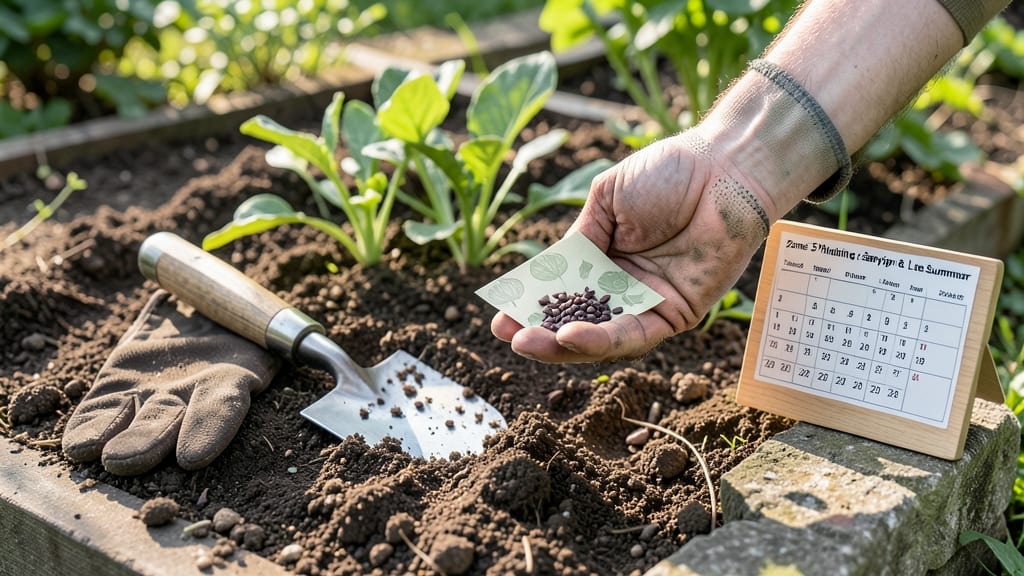
Timing your beet 🍠 planting in Zone 5 isn't just about avoiding frost—it's about unlocking the sweet spot for fast germination and avoiding bitter, woody roots.
Plant too early, and your seeds may rot in cold soil; too late, and summer heat will send them bolting before you even taste that earthy crunch.
I've learned the hard way that beets in Zone 5 demand precision. The ideal window opens just 4-6 weeks before your last frost date (typically mid-April), when soil temps hit that perfect 40-75°F range.
But there's a trickier second chance in early summer—if you time it right, you can squeeze in a second harvest before fall frost.
What most gardeners miss is how soil temperature affects germination speed. Too cool, and your seeds linger in the dirt for weeks; too warm, and they sprout too fast, leading to crowded, misshapen roots.
I'll show you exactly how to read your soil's cues and adjust your planting schedule for maximum efficiency.
Whether you're a first-time gardener or a seasoned grower, these insights will help you beat the Zone 5 clock. Let's dive into the exact weeks, soil prep secrets, and companion plants that make all the difference between a handful of beets and a garden overflowing with them.
Zone 5 beet planting calendar: exact weeks before last frost for peak germination
In Zone 5, timing your beet planting is everything. The last spring frost typically hits around mid-April, but soil temperature—not frost dates—dictates when seeds will germinate. Beets thrive when soil reaches 40-50°F, which usually happens by late March to early April in most of Zone 5.
For a spring harvest, aim to plant 4-6 weeks before your last frost date. This gives seedlings time to establish before summer heat arrives. In northern Zone 5 (e.g., Minneapolis), start seeds indoors by mid-March or direct-sow by late March.
In southern Zone 5 (e.g., Kansas City), you can begin outdoors as early as early March.
Beets also tolerate cool fall weather, making a late-summer planting possible. Sow seeds 8-10 weeks before your first frost (usually mid-September in Zone 5) for a harvest before winter. This works best with fast-maturing varieties like 'Detroit Dark Red' or 'Babybeat'.
| Planting Window | Soil Temp | Weeks Before Frost | Best Varieties |
|---|---|---|---|
| Early Spring | 40-50°F | 4-6 weeks | Detroit Dark Red, Golden |
| Late Summer | 50-65°F | 8-10 weeks | Babybeat, Chioggia |
| Fall (Cold-Hardy) | 45-55°F | 10-12 weeks | Boltardy, Ruby Queen |
If you’re unsure about soil temperature, use a soil thermometer to check before planting. Beets germinate best in consistently warm soil, so avoid sowing until temperatures stabilize. In northern Zone 5, this might mean waiting until early April, while southern areas can start earlier.
For fast germination, keep seeds moist and warm. A black plastic mulch or seedling heat mat can help jumpstart growth in cold soil. Once sprouted, beets grow quickly—50-60 days to harvest for most varieties—so timing your planting ensures you avoid bolting (premature flowering) caused by heat stress.
Pro tip: Use row covers if planting early to protect seedlings from late frosts. These lightweight fabrics trap heat during the day and insulate at night, extending your growing season by 2-3 weeks. Just remove them when plants are established to prevent overheating.
In Zone 5, you can also try a succession planting strategy. Sow small batches every 2 weeks from spring through early summer to ensure a steady supply. This works especially well for 'Babybeat' or 'Little Ball' varieties, which mature in just 45 days.
Remember, beets hate heat and drought. Planting too late in spring risks bolting, while summer plantings may struggle to mature before frost. Balance soil warmth, frost dates, and variety selection to maximize your harvest in Zone 5.
For fall harvests, focus on cold-hardy varieties like 'Boltardy', which tolerate light frosts. Plant in late August for a harvest before winter, or use row covers to extend the season into November.
Zone 5 beet planting calendar: exact weeks before last frost for peak germination
In Zone 5, your beet 🍠 planting success hinges on understanding two critical windows: early spring (4-6 weeks before last frost) and late summer (8-10 weeks before first frost).
For most of Zone 5, this translates to planting between mid-March and early April for spring harvests, and again in late June to early July for fall crops. The key difference?
Spring plantings rely on soil warming to 50-60°F, while summer plantings need cooler soil (60-70°F) to prevent bolting.
I’ve found that using a soil thermometer (just $10 at garden centers) is non-negotiable—beets won’t germinate well below 40°F, and above 75°F, they’ll bolt before forming roots.
In northern Zone 5 (e.g., Minneapolis), aim for April 1-15; in southern Zone 5 (e.g., St. Louis), you can start as early as March 15. The last frost date is your anchor, but soil temperature is your real guide.
Here’s the golden rule: Plant when your soil hits 50°F consistently for spring, or 65°F for summer plantings. This ensures germination in 7-14 days (not the 3 weeks some seed packets promise—those assume perfect conditions!).
Pro tip: If your soil is still cold in early spring, use black plastic mulch for a week to warm it up faster.
| Planting Window | Soil Temp (°F) | Germination Time | Harvest Window |
|---|---|---|---|
| Early Spring (Mar 15-Apr 15) | 50-60°F | 7-14 days | June-October |
| Late Summer (Jun 20-Jul 15) | 60-70°F | 5-10 days | October-November |
| Fall (Aug 15-Sept 15) | 55-65°F | 10-14 days | October |
⚠️ Note: Adjust for your exact last frost date using the USDA Plant Hardiness Zone Map.
For fastest germination, choose detasseled varieties like ‘Detroit Dark Red’ (60 days) or ‘Golden’ (55 days)—they’re bred to focus energy on roots, not flowers. Slow varieties like ‘Chioggia’ (70 days) can handle slightly later plantings but risk bolting in summer heat.
My trick? Plant half my seeds early (for spring harvests) and half in late June (for fall) to spread out the work and the harvest.
Don’t overlook regional tweaks: In Zone 5’s northern edge (e.g., Duluth), push spring plantings to late April to avoid late frosts. In southern Zone 5 (e.g., Kansas City), you can start as early as February in raised beds with row covers.
The secret? Monitor your microclimate—a sunny south-facing bed warms up faster than a shady spot.
Timing your beets isn’t just about the calendar—it’s about reading your soil’s cues. Use these windows as your guide, but always double-check with a thermometer. Trust me, the difference between a 7-day germination and a 3-week wait is worth the $10 investment!