Plants
Planting bell peppers 🌶️ in Arizona at the wrong time means watching your hard work melt under the desert sun before it even ripens. The key to a thriving harvest isn’t just about soil or seeds—it’s about catching that narrow window when temperatures play nice with your plants.
Most gardeners in Zone 9b make the mistake of waiting too late, only to see their seedlings struggle as spring heat ramps up.
But here’s the secret: the ideal time to plant bell peppers in Arizona is actually late January through early April, when soil warms to that perfect 65°F threshold without scorching your young plants.
In this guide, I’ll break down exactly when to start seeds indoors versus transplanting outdoors, how to adjust for Arizona’s microclimates, and which heat-tolerant varieties won’t wilt under the summer sun. No more guesswork—just a foolproof plan for peppers that actually make it to harvest season.
Whether you’re a first-time gardener or a desert veteran, these timing tricks will help you beat the heat and enjoy fresh peppers from May through October. Let’s get those seeds in the ground the right way.
Best planting windows for bell peppers in Arizona’s climate zones
Arizona’s diverse climate zones—from low desert to high desert—create wildly different conditions for growing bell peppers. The key is planting when soil temperatures hit 65°F+ and avoiding extreme heat stress.
In Zone 10/11 (low desert), you can start as early as late January, while Zone 9 (mid-elevation) waits until mid-February, and Zone 8 (high desert) holds off until March to escape late frosts.
Timing isn’t just about frost—it’s about heat tolerance. Bell peppers thrive in 75–90°F days but wilt in 100°F+ heatwaves. The 45-day rule is critical: plant early enough to harvest before summer’s peak (typically June–August), then use shade cloth or succession planting for fall crops.
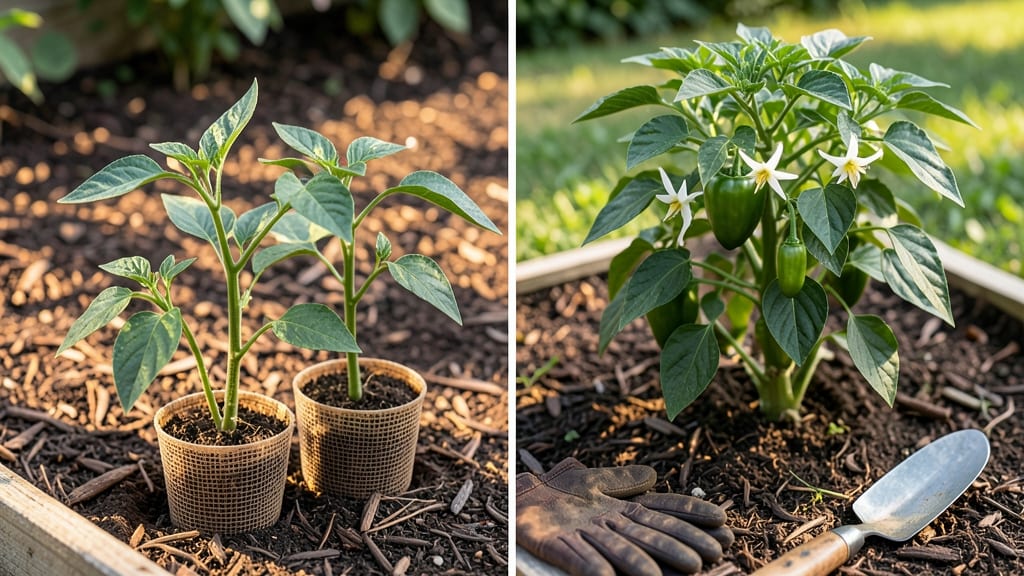
For direct sowing, low desert gardeners can start seeds in February, while high desert growers wait until April to avoid cool soil. Transplants need extra care—harden them for 7–10 days before moving outdoors, especially in windy desert conditions.
Here’s how Arizona’s three main zones break down for optimal planting:
Pro tip: Use a soil thermometer to confirm readiness—65°F is non-negotiable for germination. In Phoenix or Tucson, aim for February plantings to harvest by June, then replant in August for fall peppers.
High desert areas like Flagstaff can extend the season by starting seeds indoors in February and transplanting in May.
Remember, Arizona’s microclimates vary even within cities. Urban heat islands (like downtown Phoenix) can be 5–10°F warmer than rural areas, so adjust planting dates accordingly. If you’re unsure, err on the side of earlier plantings—bell peppers recover better from cool snaps than heat stress.
For container gardening, warm soil faster by using black pots and placing them in south-facing spots. Black plastic mulch can raise soil temps by 5–10°F, giving you a 2–3 week head start in cooler zones.
Finally, don’t overlook fall planting. In Zone 10/11, you can sow seeds in August–September for harvests before the first frost (though rare, it’s possible in October). Use row covers to protect young plants from unexpected chills.
By aligning your planting with Arizona’s climate zones and heat patterns, you’ll avoid the common pitfall of bolting (premature flowering) or sunscald. The goal? A continuous harvest from May through October—no wilting in sight!
Heat-tolerant bell pepper varieties that thrive in Arizona’s summer
Arizona’s summer heat can turn ordinary bell peppers into shriveled disappointments, but the right varieties treat 110°F+ temps like a walk in the park. My top picks for your desert garden include NuMex Sandia and Jupiter, both bred to handle extreme conditions while still delivering sweet, flavorful peppers.
These heat-tolerant varieties don’t just survive—they thrive when planted at the right time (late January through early April) and given proper care. The key difference? Their ability to set fruit consistently even when daytime temps climb, unlike standard varieties that bolt or stop producing.
For a fall harvest, I recommend ‘Aristotle’—it matures in just 65 days and handles late-season heat better than most. Pair it with ‘Carmen’ for a mix of sweet and spicy options that keep producing until October’s first frost warnings.
🌶️ Pro Tip: If you’re planting in Zone 10/11 (low desert), aim for varieties with thick, waxy skins like ‘NuMex Sandia’—they retain moisture better and resist sunscald. In cooler Zone 8/9 areas, focus on early-maturing types to avoid heat stress before harvest.
To extend your harvest season, I plant a second crop in August using quick-maturing varieties like ‘Aristotle’. The trick? Use shade cloth (30-50%) during the hottest afternoon hours (1-4 PM) to protect young plants while they establish roots.
This buys you an extra 4-6 weeks of production before winter sets in.
For container growers, ‘Jupiter’ is my go-to—its compact size (2-3 ft tall) makes it perfect for pots, and it handles Arizona’s intense sunlight without wilting. Just ensure your containers have drainage holes and use a lightweight potting mix to prevent root rot from overheating.