Plants
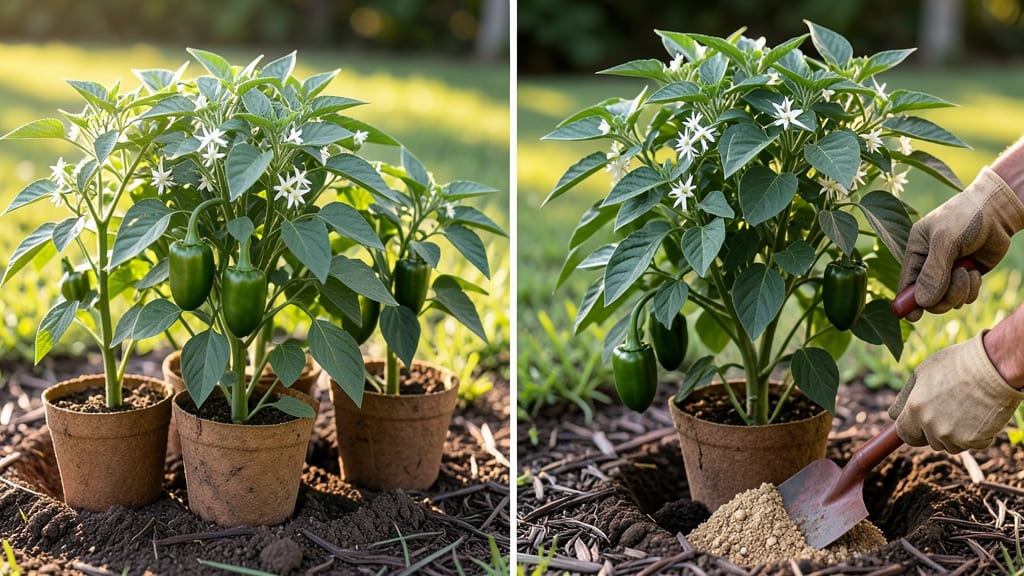
Planting bell peppers 🌶️ in Virginia isn’t just about grabbing seeds and sticking them in the dirt—it’s about timing your moves to beat frost and maximize your harvest.
The key window for Virginia’s Zones 6a-7b runs from mid-April to mid-June, but one wrong move (like planting too early) can turn your garden into a sad, frost-nibbled graveyard.
Most Virginia gardeners wait until after the last frost date—usually around April 15 in Zone 6a and earlier in Zone 7a—but soil temperature matters just as much. Your peppers need 60°F soil to germinate, and rushing it means stunted plants or no harvest at all.
I’ll show you exactly how to check soil temps and adjust your schedule for your specific corner of Virginia.
Whether you’re transplanting starter plants or sowing seeds directly, the right timing makes all the difference. You’ll also learn how to stretch your growing season with simple tricks like row covers and succession planting—because nobody wants to miss out on fresh, homegrown peppers from July to October.
Let’s cut through the guesswork so you can plant with confidence and enjoy a bountiful harvest of sweet, juicy peppers all season long. Ready to get started?
Virginia bell pepper planting dates by Zone (6a-7b): exact timing guide
Getting your bell peppers in the ground at the right time in Virginia means the difference between a bountiful harvest and wasted effort.
Since Virginia spans USDA Zones 6a-7b, your exact planting window depends on where you live—whether you're in the cooler Piedmont region or the milder Tidewater coast. Let’s break down the optimal planting dates to maximize your yield.
For Zone 6a (common in the Blue Ridge Mountains and northern Piedmont), the last average frost date is around April 15. In Zone 7a (central and southern Virginia), frost typically retreats by April 1.
However, these dates are just averages—always check your local frost-free date using the Virginia Cooperative Extension’s frost calculator for precision.
Here’s the golden rule: Wait until soil temperatures hit at least 60°F (15°C) and nighttime temps stay above 55°F (13°C). Cold soil stunts growth, and chilly nights stress young plants. Use a soil thermometer to confirm—this small investment saves hours of frustration later.
For transplants (purchased seedlings), plant 4-6 weeks before your last frost date. This gives them time to establish roots before summer heat arrives.
If you’re direct sowing seeds, wait until 2-3 weeks after the last frost—seeds need warmth to germinate, and cool soil can leave them sitting dormant for weeks.
Here’s a quick reference for your zone:
| Zone | Last Frost Date | Transplant Window | Direct Sow Window | Soil Temp Threshold | Key Microclimate Note |
|---|---|---|---|---|---|
| 6a (e.g., Roanoke, Lynchburg) | April 15 | April 1-15 (4-6 weeks before frost) | May 1-15 (after soil warms) | 60°F+ (15°C+) | Cooler nights; use row covers for early starts |
| 7a (e.g., Richmond, Charlottesville) | April 1 | March 15-April 1 (earlier window) | April 15-May 1 | 60°F+ (15°C+) | Milder coastal areas can plant 2 weeks earlier |
| 7b (e.g., Norfolk, Hampton Roads) | March 15 | March 1-April 15 (longer season) | April 1-May 1 | 60°F+ (15°C+) | Humidity increases fungal risks—space plants well |
🌡️ Pro Tip: Use black plastic mulch to warm soil faster—it can add 5-10°F to soil temps!
If you’re in a microclimate (like a valley or urban heat island), adjust your timeline by 1-2 weeks. Valleys often frost later, while cities stay warmer. Observe your garden’s history—note when nearby azalea bushes bloom (a natural frost indicator) to fine-tune your schedule.
Missed the transplant window? No problem! You can still direct sow seeds until June 15 in most of Virginia. Late plantings yield smaller peppers but still produce if given enough heat.
Just choose fast-maturing varieties (like ‘Early California Wonder’, which matures in 60 days) to ensure a harvest before frost.
One common mistake Virginia gardeners make is rushing to plant too early in hopes of an earlier harvest. Frost-killed seedlings are heartbreaking—always prioritize soil temperature over calendar dates. If your area had a late frost in past years, add an extra 2-week buffer to your planting window.
For container gardening (common in urban Virginia), follow the same rules but monitor soil temps more closely—pots heat up faster but also cool down quicker. Use heat-retaining fabric pots or add a heat mat under containers to extend your growing season.
Finally, mark your calendar for succession planting: Sow a second batch of seeds 6-8 weeks after your first planting to stretch your harvest into early fall. This works especially well for Zone 7b gardeners with longer frost-free seasons.
How to extend your Virginia bell pepper season: starts, succession planting & cold protection
Virginia’s short growing season can feel like a race against time for bell peppers 🌶️—but with the right tricks, you can push harvests earlier, later, or even both. The secret? Succession planting and season extenders that protect tender plants from late frosts or early chills.
I’ve tested these methods in my own garden, and they’ve added weeks (sometimes even months!) to my pepper harvest.
For example, staggered plantings every 2-3 weeks from mid-April to early June can give you a continuous supply of peppers from July through October. Meanwhile, row covers or cold frames let me plant 2-3 weeks earlier than the "official" last frost date—without risking frost damage.
The key is balancing these strategies with your specific USDA Zone (6a or 7b) and microclimate.
Here’s how to make it work without common mistakes like overcrowding or underestimating heat needs. Let’s break down the best tactics for your Virginia garden:
Kick off your season by sowing seeds indoors under grow lights. Use biodegradable pots to avoid transplant shock. In Zone 6a, this means starting seeds by March 1 for a mid-April transplant.
Protect young plants with floating row covers to plant 2-3 weeks before the last frost date. Remove covers when flowers appear to allow pollination. Works best in Zone 6a where frosts linger longer.
Plant a new batch of seeds or transplants every 2-3 weeks from mid-April to early June. This ensures a steady harvest. For example, plant on April 15, May 1, and May 15 for continuous peppers through October.
Extend the season into October or November with cold frames. These simple structures trap heat and can add 4-6 weeks to your growing season. Ideal for Zone 7b where first frosts arrive later.
Opt for varieties like 'Carolina Wonder' or 'Jupiter', which handle Virginia’s summer heat better than standard types. These thrive in 90°F+ temps without bolting.
One mistake I see often is planting too many varieties at once, which leads to overcrowding and poor airflow. Stick to 2-3 varieties max, and space plants 18-24 inches apart for proper air circulation. This reduces disease risk and ensures stronger plants that produce more peppers.
For urban gardeners with limited space, consider container growing. Use 5-gallon pots for each plant and place them in a sunny spot. Containers warm up faster in spring, giving you a head start on the season. Just remember to water consistently—containers dry out quicker than in-ground soil.
By combining these strategies, you can turn Virginia’s short growing season into a pepper lover’s paradise. Start with one or two methods this year, then expand as you gain confidence. Before you know it, you’ll be enjoying homegrown peppers from July through October—or even later with cold frames!