
Plants
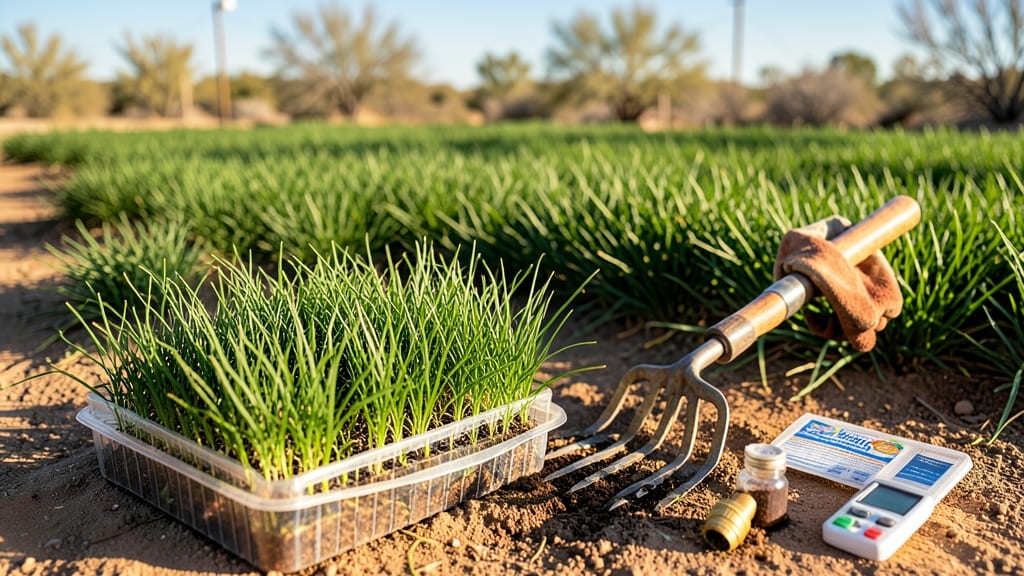
Planting Bermuda Grass seed in Arizona at the wrong time can mean a wasted investment—and nobody wants to watch their hard work turn into crispy brown patches by summer.
The key to a thick, resilient lawn lies in understanding the perfect window when soil temperatures and monsoon timing align for success.
If you’ve ever stared at a seed packet wondering, "Why does it say ‘spring’ but my neighbor planted in February and got great results?"—it’s because Arizona’s 9b climate demands precision. Too early, and cool nights stunt growth; too late, and the heat stresses young seedlings before they establish roots.
I’ll break down the exact months that work best for Phoenix, Tucson, and Flagstaff, so you can skip the guesswork.
Beyond timing, we’ll tackle the heat-resistant varieties that thrive here (like TifTuf and Celebration) and how to prep your soil to avoid common pitfalls—like washout during monsoon season.
Whether you’re a first-timer or a seasoned gardener, these tips will help your Bermuda Grass take root deep and strong, ready to handle Arizona’s extreme conditions.
Ready to ditch the trial-and-error? Let’s dive into the step-by-step strategy that’s worked for lawns across the state—no more second-guessing, just lush green results.
Optimal planting months for Bermuda seed in Arizona’s climate zones
Arizona’s USDA Zone 9b climate demands precision when planting Bermuda grass seed. Unlike cooler climates, Arizona’s soil temperature must reach 65°F (18°C) for germination, and monsoon rains can wash out seeds if planted too late.
Timing varies by region—Phoenix and Tucson have earlier windows than Flagstaff’s cooler high desert.
For most of Arizona, the ideal planting window spans late February to early April. This aligns with rising temperatures and avoids the scorching summer heat that can stress young seedlings. However, Flagstaff’s higher elevation (Zone 7a) may extend this window into late April due to cooler soil.
Key factors influencing timing include:
- Soil temperature: Must stay above 65°F for 7+ days
- Monsoon season: Avoid planting after June 15 to prevent seed erosion
- Heat tolerance: Seedlings need 75°F+ soil to establish deep roots
If you miss the spring window, late summer (August) is a secondary option—but only for established sod, not seed. Seed planted in summer risks fungal diseases from high humidity and poor germination due to heat stress.
| Region | Best Planting Window | Soil Temp Requirement | Monsoon Risk |
|---|---|---|---|
| Phoenix/Tucson | Late Feb - Early Apr | 65°F+ (18°C) | High after June 15 |
| Flagstaff | Late Mar - Late Apr | 60°F+ (15°C) | Moderate after July 1 |
| Sedona/Prescott | Early Mar - Mid-Apr | 62°F+ (17°C) | Low before June 10 |
Use a soil thermometer to verify temperatures before planting. Bury it 2 inches deep in full sun for accurate readings. In Phoenix, soil typically hits 65°F by mid-February, while Tucson’s higher elevation may delay this by 1-2 weeks.
If you plant in January, cover seeds with lightweight row covers to protect against frost pockets in valleys like the Salt River. However, germination will be slower due to cooler soils, extending the time before full coverage.
Avoid planting after April 15 in low desert areas. By May, daytime temperatures often exceed 100°F, creating a heat dome that stunts seedling growth. Instead, focus on soil prep and irrigation planning for summer establishment.
For container planting, extend the window to mid-May since pots warm faster. However, containers dry out quickly in Arizona’s sun—water daily until roots establish (2-3 weeks). Use cactus soil mixes to improve drainage and prevent rot.
Pro tip: Pre-irrigate the planting area 24 hours before seeding to ensure consistent moisture. This mimics Arizona’s natural monsoon moisture and reduces seed washout risk during initial germination.
Optimal planting months for Bermuda seed in Arizona’s climate zones
Arizona’s 9b climate creates micro-climates where Phoenix, Tucson, and Flagstaff each demand slightly different planting windows for Bermuda seed. The critical factor isn’t just the calendar date—it’s soil temperature, which must stay above 65°F (18°C) for consistent germination.
Plant too early, and cool nights slow growth; too late, and summer heat stresses seedlings before roots establish.
For Phoenix and Tucson (low desert), aim for late February to early April when daytime highs hit 75°F+ and monsoon rains haven’t yet begun. In Flagstaff’s high desert, wait until mid-April to May—the cooler nights there delay soil warming.
My pro tip: Use a soil thermometer to confirm temps before planting; seed packets often underestimate Arizona’s heat requirements.
| Location | Best Planting Window | Soil Temp Requirement | Monsoon Risk |
|---|---|---|---|
| Phoenix | Late Feb - Early Apr | 65°F+ (18°C) | Low (plant before July) |
| Tucson | Late Feb - Early Apr | 65°F+ (18°C) | Moderate (avoid June) |
| Flagstaff | Mid-Apr - Early May | 60°F+ (15°C) | Low (cooler climate) |
Monsoon season (July-September) is the biggest threat to new Bermuda seedlings. Heavy rains can wash out seeds or cause fungal diseases like brown patch. To beat this, I recommend covering seeds with straw mulch (¼ inch thick) immediately after planting—it stabilizes soil and reduces erosion.
For high-risk areas, consider hydroseeding, which binds seeds to soil with a tackifier.
If you miss the spring window, fall planting is possible in October (only for high-desert areas like Flagstaff). However, Bermuda’s dormancy period begins by November, so late fall seedlings won’t establish before winter.
My hard rule: Never plant Bermuda seed after May 15th in Arizona’s low desert—you’ll sacrifice root depth and heat resilience.
Proper timing isn’t just about months—it’s about micro-climate cues. Watch for desert wildflowers blooming (like brittlebush) or palm fronds unfurling; these signal stable soil temps. Pair this with a weather app alert for 3-day forecasts above 70°F to lock in your planting date.
Remember: Arizona Bermuda lawns aren’t just about green—they’re about survival. Plant at the right time, and your grass will develop deep roots (6+ inches) to outlast summer droughts. Skip the window, and you’ll spend next year patching bare spots instead of relaxing in your shade.