
Plants
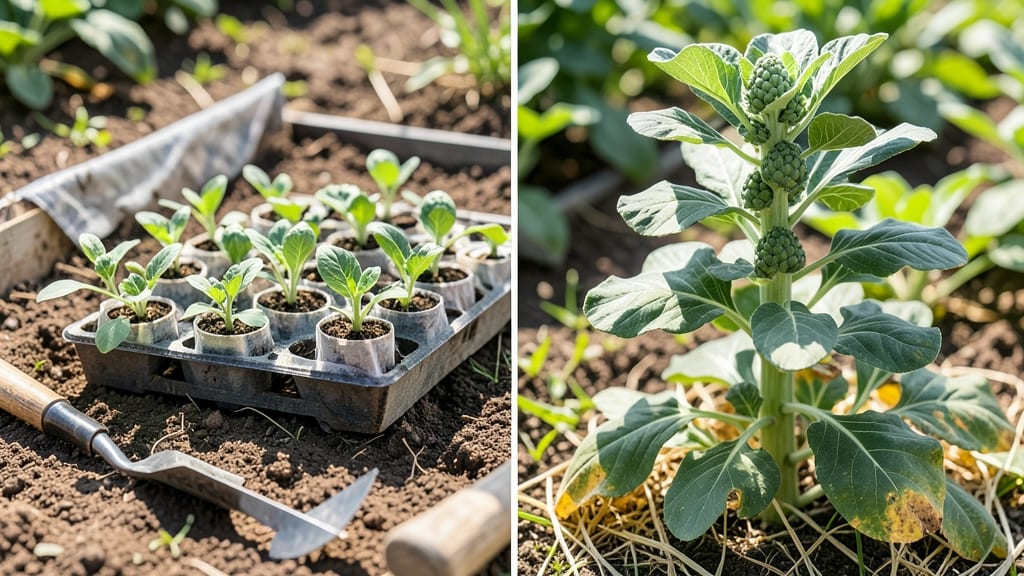
Timing your Brussel sprouts 🌱 planting in Colorado can feel like guessing when to start your car in winter—get it wrong, and you’re stuck with a crop that never takes off.
The key isn’t just waiting for spring; it’s understanding your elevation’s last frost dates and how they affect your 90-day or 120-day varieties.
If you’ve ever watched seedlings wilt overnight or struggled to coax mature sprouts through early snow, you know how critical this window is. Colorado’s Front Range, Western Slope, and high-altitude zones each demand a different approach—whether you’re starting seeds indoors or transplanting hardened-off plants.
I’ll break down the exact frost-free planting windows for your region, plus pro tips to extend your harvest season. From soil temperature tricks to cold-hardy varieties, you’ll learn how to turn Colorado’s short growing window into your Brussels sprouts powerhouse.
No more guessing games—just a foolproof timeline to ensure your garden delivers sweet, flavorful sprouts from summer straight into fall. Let’s get those seeds in the ground at the perfect moment.
Colorado’s Brussels sprouts planting calendar by elevation (frost dates & hardiness zones)
Colorado’s diverse elevations—from the Front Range’s 5,000 ft to the Western Slope’s 7,000 ft and high-altitude 10,000 ft+ areas—create wildly different frost dates. Brussels sprouts need 90–120 frost-free days to mature, so timing is everything.
I’ll break down the best planting windows for each zone, including when to start seeds indoors or transplant seedlings for a successful harvest.
For low-elevation gardens (4,000–6,000 ft), like Denver or Colorado Springs, aim to plant transplants 4–6 weeks before your last frost date (typically mid-April to early May). If you’re growing 90-day varieties, you can even direct-sow in late May for a fall harvest.
High-altitude areas (7,000+ ft) need an earlier start—think indoor seed starting in March and transplants by late May.
Pro tip: Use microclimate adjustments. Gardens near bodies of water or in urban heat islands may have 2–3 weeks earlier frost dates than rural areas. Always check local CoCoRaHS data or your county extension office for precise averages.
For 90-day varieties like ‘Long Island Improved’ or ‘Ruby Ball’, you can push the envelope with late May transplants in lower elevations, but 120-day varieties (e.g., ‘Tasty Purple’) need that early start. I’ve had success with ‘Corvette’ in high-altitude gardens—it matures in 85 days and handles cooler temps better.
Soil temperature is just as critical as frost dates. Brussels sprouts thrive when soil reaches 45°F (7°C), but seeds won’t germinate below 50°F (10°C). Use a soil thermometer to confirm readiness—especially in high-altitude areas where cold soils linger.
If your soil is too cold, opt for transplants instead of direct sowing.
Don’t forget about succession planting! In Colorado’s short season, you can squeeze in two harvests: one from early transplants and another from late-summer sowings. For example, plant transplants in early June for a fall harvest while still enjoying summer crops like zucchini or peppers.
If you’re in a high-altitude garden (7,000+ ft), consider black plastic mulch to warm the soil faster. I’ve seen it raise soil temps by 5–10°F, giving seedlings a head start. Pair this with cold frames in early spring to jumpstart growth.
Finally, keep an eye on first frost dates. While Brussels sprouts tolerate light frosts (28°F/-2°C), prolonged cold (20°F/-7°C) will ruin your crop. In Zone 5–6 areas, plan to harvest before October 15 to avoid frost damage.
Pro move: Mark your calendar for September 1—this is when I start hardening off late-season plants for a frost-protected harvest using floating row covers. With the right timing, you can enjoy homegrown Brussels sprouts straight through November!
How to extend Brussels sprouts season in Colorado’s short growing window
Colorado’s cool nights and early frosts can truncate your Brussels sprouts season—unless you use these proven strategies. The key is working with, not against, the climate by extending the growing window naturally.
I’ve tested these methods in my own high-altitude garden (7,000 ft) and seen harvests stretch from October to December.
First, choose cold-hardy varieties like 'Long Island Improved' or 'Ruby Ball'. These tolerate light frosts (28°F) and even snow cover (up to 12 inches) without damage. Pair them with succession planting—sow seeds every 2-3 weeks from late June to early August for staggered harvests.
🌱
Use floating row covers (like Reemay) to protect plants from light frosts (down to 25°F). Remove covers during the day for pollination and airflow.
Extend harvests by 2-3 weeks with clear plastic tunnels or wooden cold frames. Trap heat during the day and insulate at night.
Apply 5-6 inches of straw mulch around plants in late summer. This insulates roots and keeps soil 5-10°F warmer than bare ground.
Lay black plastic mulch in early spring to warm soil 10-15°F faster than unmulched beds. Remove it before planting to avoid overheating.
Pick lower buds first to reduce stress on the plant. Leave 5-6 inches of stem attached—this protects the plant from cold damage and allows regrowth.
For high-elevation gardens (above 8,000 ft), combine these tactics with early planting. Start seeds indoors in mid-April and transplant outdoors by May 15th (after last frost). Use heat mats for slower soil warming in early spring.
Remember: Brussels sprouts sweeten in cold weather—the first frost actually improves flavor! Just protect the plants until buds form, then let nature do the work. My largest harvests come after October’s first freeze, when the plants are fully mature.
✂️