
Plants
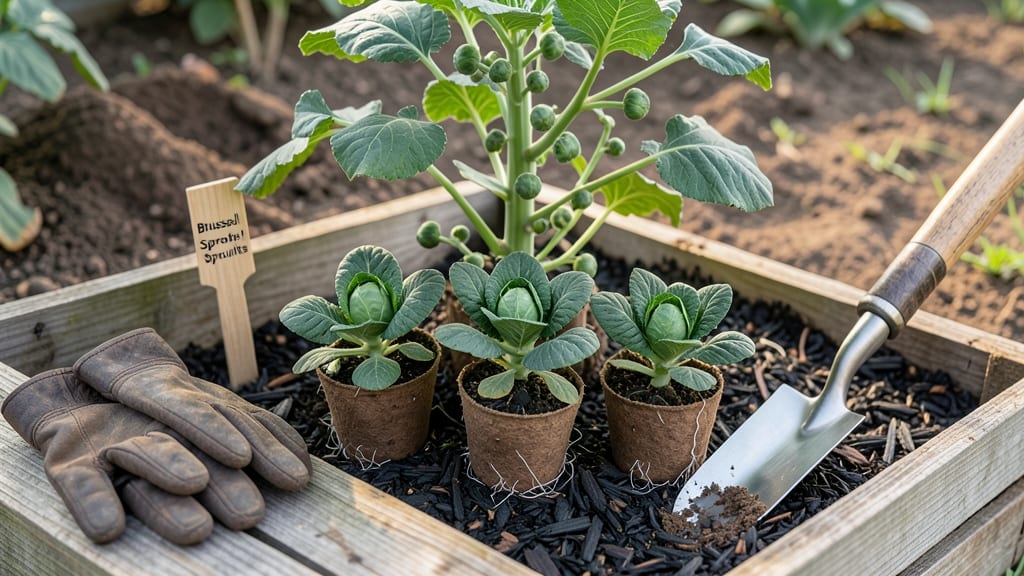
Planting Brussel sprouts 🥦 in Zone 7 at the wrong time means missing out on those delicious, nutritious harvests you’ve been dreaming of. Unlike heat-loving veggies, these cool-weather crops need precise timing to thrive—too early, and they bolt in summer’s heat; too late, and frost ruins your hard work.
If you’ve ever wondered why your Brussel sprouts struggled last year, the answer likely lies in when you planted them. Zone 7’s unique frost dates (April 15 and October 15) create a narrow window for success, and nailing it means the difference between a bountiful fall harvest and wasted effort.
I’ll walk you through the exact planting window—late summer to early fall—for both direct sowing and transplanting, plus how to adjust for your specific Zone 7 microclimate.
Whether you’re a first-time gardener or a seasoned pro, these tips will help you grow Brussel sprouts that taste sweeter and last longer.
Ready to avoid common mistakes and maximize your yield? Let’s dive into the frost-free secrets that’ll have your garden producing Brussel sprouts until winter’s first hard freeze.
Optimal planting dates for Brussel sprouts in Zone 7
Brussel sprouts are cool-season vegetables that thrive in Zone 7's mild climate, but timing is critical. The best window for planting is 8-10 weeks before your first frost date, which typically falls around mid-October in Zone 7.
This means aiming for late July to early August for a fall harvest.
For gardeners in Zone 7, you have two main options: early spring planting or late summer planting. Spring planting is riskier because warm weather can cause bolting, but it's possible if you start seeds indoors in March and transplant in April.
Most Zone 7 gardeners prefer the late summer approach for reliable results.
Your last frost date is your planting deadline's starting point. In Zone 7, this usually falls around April 15, but microclimates vary. Coastal areas may have later frost dates, while inland regions like the Piedmont can experience frost earlier. Always check your local USDA frost calendar for precise dates.
Soil temperature is another critical factor. Brussel sprouts grow best when soil temperatures are between 45°F and 85°F. In Zone 7, this typically means waiting until after May 15 for spring planting or starting seeds in July for fall crops. Use a soil thermometer to verify conditions before planting.
Here's a quick reference for Zone 7's planting timeline:
| Planting Window | Ideal Month | Soil Temp | Days to Maturity |
|---|---|---|---|
| Early Spring | March-April | 45°F-65°F | 90-120 days |
| Late Summer | July-August | 55°F-75°F | 80-100 days |
| Early Fall | September | 60°F-70°F | 70-90 days |
🌱 Note: Late summer planting (July-August) yields the most reliable harvests in Zone 7.
For fall harvests, aim to plant 8-10 weeks before your first frost. In Zone 7, this means starting seeds indoors in late June or transplanting seedlings in early July. This timing ensures your sprouts mature before cold weather sets in, typically around October 15.
If you're growing from seed, start them indoors 4-6 weeks before your last frost date. For Zone 7, this means early April for spring crops or late June for fall crops. Use seed-starting trays with a heating mat to ensure consistent germination at 70°F.
Remember that Brussel sprouts need space—plant them 18-24 inches apart in rows 30 inches apart. This spacing allows for proper airflow, reducing the risk of rot and disease common in Zone 7's humid summers. Use a stake or trellis to support taller varieties like 'Long Island Improved'.
Zone 7 gardeners can also try succession planting for extended harvests. Plant a second crop in mid-July for a harvest in late fall, or try early spring planting in March for a summer harvest before the heat sets in.
Just be prepared for potential bolting if spring warms up quickly.
Finally, consider your local microclimate. Coastal areas may have 2-3 weeks later frost dates than inland regions. If you're near the mountains, expect earlier frosts. Adjust your planting dates accordingly to maximize your harvest potential.
Optimal planting dates for Brussel sprouts in Zone 7
In Zone 7, the sweet spot for planting Brussel sprouts is between mid-July and early September. This timing ensures your plants mature before the first frost hits around October 15, giving them 80–100 days to develop those prized sprouts.
Early planting in July works best for transplants, while direct sowing should start by mid-August for a fall harvest.
Your last frost date is critical—calculate it by averaging the last spring frost (around April 15) and the first fall frost. For Zone 7, this typically leaves you with a 180-day frost-free window.
Planting too early (before July) risks bolting from summer heat, while late planting (after September) may not yield mature sprouts before frost.
Here’s a quick rule of thumb: Plant 8–10 weeks before your first frost. For most of Zone 7, this means August 1–15 is your ideal window.
Coastal areas may have slightly later frost dates, while inland regions like the Piedmont should plant on the earlier side of this range to avoid heat stress.
| Stage | Action | Zone 7 Timeline |
|---|---|---|
| Soil Prep | Test pH (6.0–7.5), amend with compost | June–July |
| Transplant | Hardy seedlings (4–6 weeks old) | July 15–August 1 |
| Direct Sow | Seeds ½ inch deep, 2 feet apart | August 1–15 |
| Harvest | Pick firm sprouts (1–1.5 inches) | October–December |
For transplants, start seeds indoors 6–8 weeks before your last frost (around March 15 in Zone 7). Harden them off for 1–2 weeks before transplanting in July.
If you’re direct sowing, wait until soil temps drop below 80°F (usually late July or August) to avoid heat stress on young seedlings.
Pro tip: Use fast-maturing varieties like ‘Long Island Improved’ (80 days) or ‘Ruby’ (90 days) to squeeze in a harvest before frost. Slow varieties (like ‘Jade Cross’) may not mature in time unless you plant early and use row covers to extend the season.
Remember, soil temperature matters just as much as air temperature. Aim for 45–75°F—any hotter, and your sprouts will bolt prematurely. Test your soil with a thermometer before planting to avoid costly mistakes.