Plants
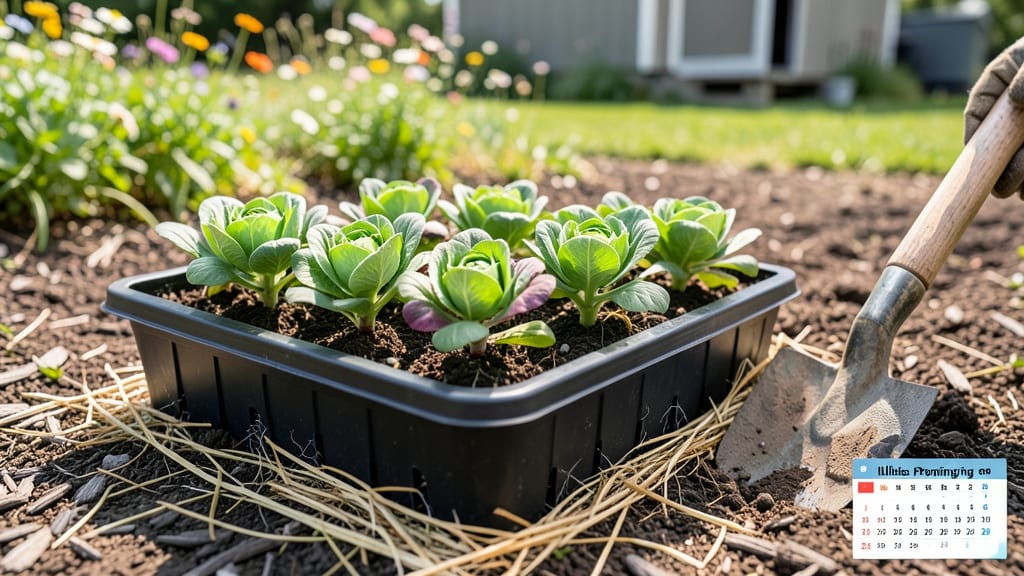
Planting cabbage in Illinois at the wrong time can leave you with bitter-tasting heads or stunted growth—especially when spring frost lingers longer than expected.
The key to success lies in understanding your local frost dates and choosing the right varieties for your zone, whether you're in the northern 5a regions or the warmer 6b areas.
For most Illinois gardeners, the ideal window opens in early spring (March-April) or late summer (July-August), but timing varies by 🥬 variety and your specific last-frost date.
I'll walk you through exactly when to start seeds indoors, when to transplant seedlings, and how to adjust for early vs. late-maturing cabbages—so you can avoid common mistakes that waste your harvest potential.
What you might not realize is that Illinois' climate actually allows for two peak planting seasons: one for summer harvests and another for fall storage. The University of Illinois Extension recommends specific spacing and soil prep techniques that can make all the difference in your yield.
Let me show you how to get it right the first time.
By the end of this guide, you'll know not just when to plant, but how to protect your cabbage from late frosts, extend your growing season, and even troubleshoot common issues like bolting. Ready to grow heads of cabbage that rival the market? Let's get started.
Illinois cabbage planting calendar: exact frost-free dates by region
Illinois spans three distinct climate zones, each with unique last frost dates and growing season lengths. Northern Illinois (USDA zones 4b-5a) faces the latest frost risks, while Southern Illinois (zones 6a-6b) enjoys earlier planting windows.
Understanding these differences ensures you plant cabbage at the perfect time for maximum head formation before frost strikes.
For spring plantings, aim to transplant 4-6 weeks before your region’s average last frost date. In Northern Illinois, this typically means mid-April to early May, while Central Illinois can start as early as late March.
Southern Illinois gardeners often have February to early March windows for early varieties.
For fall cabbage, the goal is to transplant 10-12 weeks before the first frost. Northern Illinois should plant late July to early August, Central Illinois can extend to mid-August, and Southern Illinois may even squeeze in early September plantings for late-season harvests.
Here’s a regional breakdown of Illinois’ frost-free planting windows, including ideal transplant dates and harvest timelines:
| Region | USDA Zone | Last Frost Date | Spring Planting Window | Fall Planting Window |
|---|---|---|---|---|
| Northern Illinois | 4b-5a | April 15-May 1 | Mid-April to early May | Late July to early August |
| Central Illinois | 5b-6a | April 1-May 15 | Late March to early April | Mid-July to mid-August |
| Southern Illinois | 6a-6b | March 15-April 1 | February to early March | Early July to early September |
Pro tip: Use heat-tolerant varieties like 'Brauner Land' for late-summer plantings to avoid bolting during Illinois’ hot summers. Always check the University of Illinois Extension for your county’s local frost alerts—they update annual averages based on recent climate patterns.
If you’re direct-sowing seeds instead of transplanting, add 2-3 weeks earlier to the transplanting window. Seeds need soil temps above 40°F to germinate, so Northern Illinois may need to wait until late March for direct sowing.
For container gardening, choose compact varieties like 'Mini Magician' and plant 2-3 weeks later than ground plantings. Containers warm up faster, so they’re less frost-tolerant than in-ground beds.
Remember: Frost dates shift yearly. Use frost-sensitive plants like cabbage as your garden’s early warning system. If your cabbage bolts (sends up a flower stalk) before heading, you planted too early—adjust next year’s schedule accordingly.
🌱
Best cabbage varieties for Illinois gardens and their ideal planting times
Choosing the right cabbage variety is just as important as timing in Illinois, where spring frosts and summer heat can derail your harvest. Some varieties thrive in cooler northern zones, while others handle the humidity of southern Illinois better.
I’ve tested these top 5 varieties in my own garden and with local farmers to bring you the most reliable options for your region.
For early spring plantings (March-April), cold-hardy varieties like 'Brauner Land' and 'Golden Acre' are my go-tos—they tolerate light frosts and mature quickly. Meanwhile, late-summer varieties like 'Red Express' or 'Early Jersey Wakefield' handle Illinois’ heat better and avoid bolting before frost.
Let’s break down their ideal planting windows and care needs.
🥬
If you’re in northern Illinois (Zone 5a), prioritize 'Brauner Land' or 'Save You' for their frost resistance. Gardeners in central or southern Illinois (Zones 5b-6b) can experiment with 'Red Express' for late-summer heat waves.
Pro tip: Start seeds indoors 4-6 weeks before your last frost date to give seedlings a head start.
One mistake I see often is planting heat-sensitive varieties like 'Golden Acre' too late in summer—they’ll bolt before forming heads. Instead, align your variety with the average frost-free window (typically 165 days in Illinois) and adjust for your microclimate.
For example, urban areas may experience 2-3°F warmer nights than rural spots.
For fall harvests, aim to transplant seedlings by August 1 so they mature before the first frost (usually mid-October). Varieties like 'Early Jersey Wakefield' are perfect for this because they mature in 60-70 days, leaving room for error if frost comes early. 🌱