
Plants
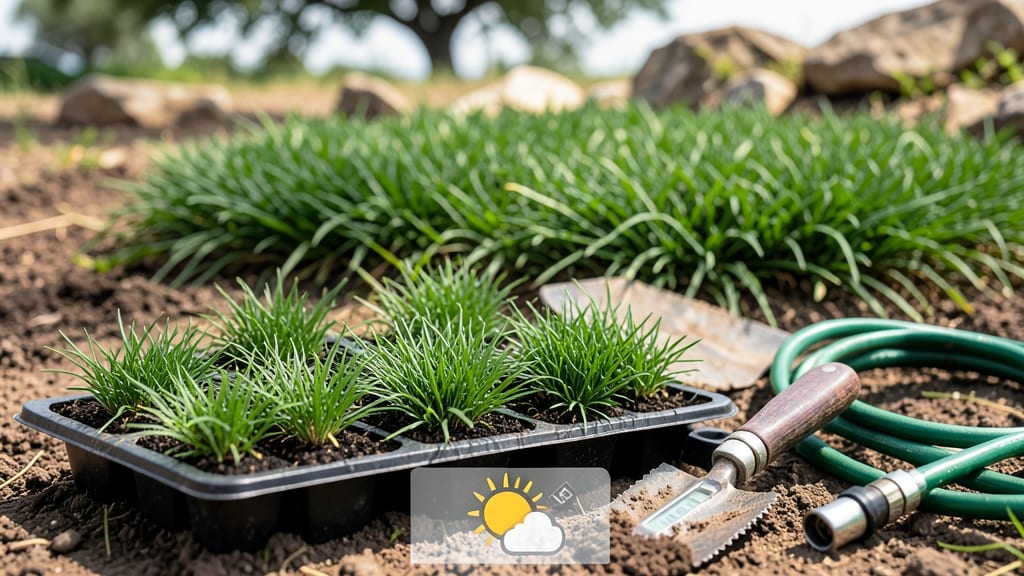
Timing when to plant coastal hay in Texas can make the difference between a thriving pasture and years of frustration. This drought-resistant grass loves the Gulf Coast’s warmth, but planting too early risks frost damage, while waiting too long slows down establishment.
The ideal window—late February through early May—aligns perfectly with Texas’s 9a-10b zones, when soil temperatures hit that sweet spot of 65°F+.
Why does this matter? Because Coastal Bermudagrass isn’t just another grass—it’s a game-changer for livestock feed, erosion control, and even lawns along the coast. Get it right, and you’ll see fast germination, deep root systems, and hay yields that keep coming year-round.
But skip the prep work, and you might end up with patchy growth or weeds taking over.
I’ve seen firsthand how a well-timed planting can transform barren soil into a lush, productive pasture in just 60 days. The key? Understanding your local frost dates, soil moisture, and even rainfall patterns—because what works in Houston might flop in Corpus Christi.
Let’s break down exactly what you need to know to plant at the perfect moment.
From soil prep to post-planting care, we’ll cover everything so your Coastal Bermudagrass stands strong from day one. Ready to unlock that fast establishment and drought-proof growth? Let’s get started.
Best planting months for coastal hay in Texas by region
Texas’ diverse climate means Coastal Bermudagrass thrives in different regions, but timing is critical. In North Texas (USDA Zones 7b-8a), aim for late March to early April after the last frost—typically around March 15.
Warmer Central Texas (Zones 8a-8b) can plant as early as mid-February, while South Texas (Zones 9a-10b) enjoys a longer window from late January to early May.
Soil temperature is your best guide: wait until it hits 65°F at 4-inch depth. Coastal areas near Galveston or Corpus Christi can plant earlier due to milder winters, but inland regions like Austin or San Antonio should delay until April to avoid frost damage.
Rainfall patterns also matter—April showers help germination, but too much rain delays planting.
Here’s how Texas’ regions break down for optimal Coastal Bermudagrass establishment:
| Region | USDA Zone | Best Planting Window | Soil Temp Threshold | Key Consideration |
|---|---|---|---|---|
| North Texas | 7b-8a | Late March–Early April | 65°F+ at 4" | Avoid late frosts; wait for stable warmth. |
| Central Texas | 8a-8b | Mid-February–Early April | 65°F+ at 4" | Balanced rainfall; irrigate if dry spells occur. |
| South Texas | 9a-10b | Late January–Early May | 60°F+ at 4" | Humidity may increase fungal risk; ensure drainage. |
| Coastal Areas | 9a-10b | Early February–Late April | 60°F+ at 4" | Salty soils? Test and amend with gypsum if needed. |
For coastal regions, planting in February gives seeds a head start before summer heat arrives. Inland areas should prioritize April to align with natural rainfall peaks. Always check local frost-free dates—delaying just a few weeks can mean the difference between thick, resilient stands and sparse growth.
Pro tip: Use a soil thermometer to monitor temperatures. Coastal Bermudagrass seeds germinate best when soil stays consistently above 65°F. If temperatures dip below 50°F, germination slows dramatically, increasing the risk of fungal diseases like Pythium.
Rainfall also plays a role. Texas’ April showers are ideal, but if drought looms, schedule supplemental irrigation for the first 30 days post-planting. Overwatering, however, can suffocate seeds—aim for 1 inch of water per week during establishment.
In North Texas, where frosts linger, consider winter cover crops like ryegrass to protect soil until planting season. Central and South Texas can skip this step, but all regions benefit from pre-plant soil testing to adjust pH (ideal: 6.0–7.0) and fertility.
Don’t overlook wind protection in exposed areas. Temporary windbreaks or planting near natural barriers (like hedgerows) can prevent seed erosion, especially in coastal zones where salt spray is a factor.
Finally, late summer (August–September) is a secondary planting window for South Texas, but yields may be lower due to heat stress. Stick to spring for the best results across all regions.
Timing your planting right ensures faster germination, stronger root systems, and drought-resistant pastures that thrive year-round. With Texas’ unpredictable weather, flexibility is key—stay ready to adjust based on real-time conditions.
Best planting months for coastal hay in Texas by region
Texas’ diverse climate means Coastal Bermudagrass thrives in different regions at slightly different times. For North Texas, aim for late February to early March when soil warms to 65°F+—any earlier risks frost damage.
In Central Texas, the window stretches from mid-February to late April, while South Texas can plant as late as early May due to milder winters and longer growing seasons.
Your last frost date is your best guide. Coastal areas near Galveston or Corpus Christi rarely see frost, so you can plant year-round with spring being ideal. Inland areas like San Antonio or Austin should wait until after March 15 to avoid cold snaps that stall germination.
| Region | Best Planting Window | Soil Temp Threshold | Rainfall Needs |
|---|---|---|---|
| North Texas (Dallas/Fort Worth) | Late Feb - Early Mar | 65°F+ | 1-2 inches/week |
| Central Texas (Austin/San Antonio) | Mid-Feb - Late Apr | 60°F+ | 0.75-1.5 inches/week |
| South Texas (Houston/Coastal) | Jan - Early May | 55°F+ | 0.5-1 inch/week |
If you miss the primary window, don’t panic. Fall planting (September-October) is your second chance, especially in North and Central Texas. Coastal areas can even plant in late summer (August-September) for a fall-winter stand, though growth slows in cooler months.
Just ensure soil temps stay above 55°F for consistent germination.
Pro tip: Use a soil thermometer to confirm readiness. Coastal Bermudagrass seeds won’t sprout below 55°F, and waiting for 65°F+ speeds up establishment by 30-50%. Check local Texas A&M AgriLife Extension reports for real-time soil data if unsure.
For sandy coastal soils, plant 1-2 weeks earlier—they warm faster but dry out quicker. Inland clay soils may need a 1-2 week delay to avoid waterlogging. Always test your soil moisture before planting; dry conditions require pre-watering for 2-3 days beforehand.
Remember: Timing beats everything. Plant too early, and frost will kill tender sprouts. Plant too late, and summer heat stresses young plants. Aim for late spring’s sweet spot—when warmth meets moisture for explosive growth.