
Plants
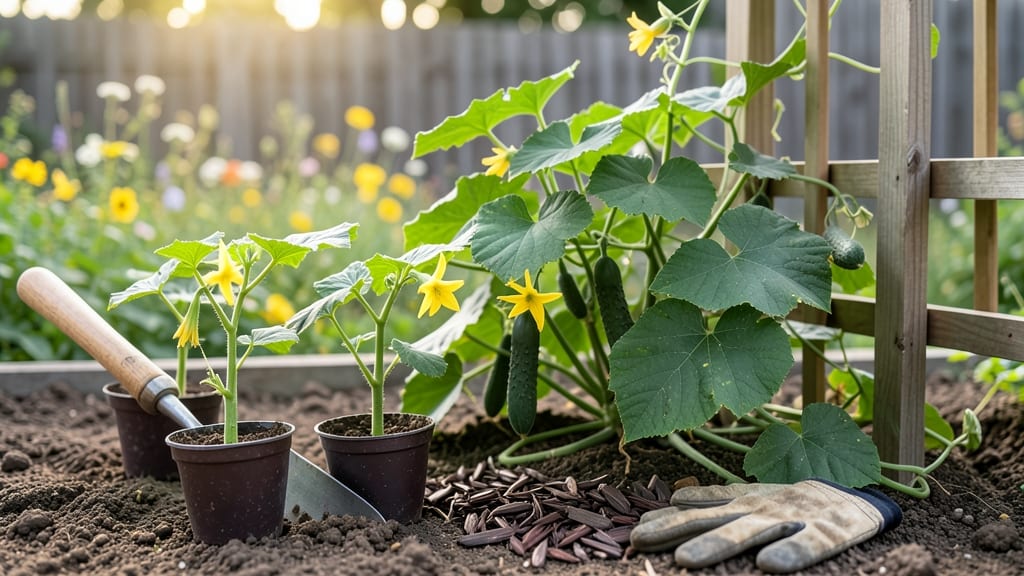
Planting cucumbers in South Florida’s steamy climate might seem tricky, but with the right timing, you can enjoy a steady harvest year-round—no frost worries here! The key is understanding how to work with Florida’s heat and humidity rather than fighting it.
Unlike northern gardeners, you’re not waiting for spring to plant 🥒—your growing season stretches from January through December. But even in zone 11, summer’s scorching sun can stress tender cucumber plants if you don’t time it right.
I’ll show you exactly when to start seeds or transplants for maximum success, plus which varieties thrive in this tropical paradise.
Most gardeners in South Florida plant cucumbers in spring and fall, but with shade cloth and proper watering, you can grow them even in the dog days of summer. The secret? Choosing heat-tolerant varieties and giving your plants a little afternoon break from the sun.
Ready to turn your backyard into a cucumber powerhouse? Let’s dive into the best planting windows, microclimate tips, and pro tricks to keep your vines happy—no matter how hot it gets.
Optimal planting times for cucumbers in South Florida’s climate zones
South Florida’s tropical climate (USDA Zone 11) lets you grow cucumbers almost year-round, but timing matters to avoid heat stress or pest outbreaks. The best windows are early spring (Jan-Mar) and late summer (Aug-Sept), when temperatures are milder.
Winter planting (Dec-Feb) works too, but growth slows in cooler months.
North Florida (Zones 8-9) has slightly cooler winters, so you can push winter planting until March. Central Florida (Zone 10) offers the most flexibility, while South Florida’s humidity demands extra vigilance against fungal diseases. Always check soil temperatures—ideal planting occurs when soil reaches 60°F+.
Here’s how to adapt planting times by Florida region:
| Region | Best Planting Windows | Avoid Planting | Key Tip |
|---|---|---|---|
| North Florida (Zones 8-9) | Jan-Mar, Aug-Sept | April-July (heat stress) | Use shade cloth in summer |
| Central Florida (Zone 10) | Year-round (best Jan-Apr, Aug-Nov) | May-July (peak heat) | Mulch heavily to retain moisture |
| South Florida (Zone 11) | Jan-Apr, Aug-Nov | May-July (fungal risks) | Choose disease-resistant varieties |
For year-round success, I recommend succession planting every 2-3 weeks during optimal windows. This ensures a steady supply of fresh cucumbers while avoiding overcrowding. In peak summer heat (June-August), focus on shade-tolerant varieties and provide afternoon shade with 30-50% shade cloth.
Extending your growing season is easy with a few tricks. Use black plastic mulch to warm soil in winter or row covers to protect young plants from heat spikes. In containers, cucumbers thrive year-round—just ensure pots are at least 12 inches deep and use self-watering systems for summer months.
Always monitor humidity levels—South Florida’s air can be oppressive, leading to powdery mildew. Improve airflow by spacing plants 12-24 inches apart and pruning lower leaves. If you notice yellowing leaves, it’s often a sign of overwatering or nutrient deficiency in our sandy soils.
Pro tip: Test your soil’s pH (6.0-6.8 ideal) before planting. Florida’s sandy soils often lack organic matter, so amend with compost or aged manure 2-3 weeks before sowing seeds. This boosts fertility and helps retain moisture during dry spells.
Harvest time varies by variety but typically falls 50-70 days after planting. In South Florida, you can expect two harvest cycles per year if you time plantings correctly. Start harvesting when cucumbers reach 6-12 inches and have a firm, glossy skin—this encourages more production.
Don’t let Florida’s heat intimidate you—with the right timing and care, you’ll enjoy homegrown cucumbers from January through November. Experiment with different varieties and planting windows to find what works best for your microclimate! 🌱
Best heat-tolerant cucumber varieties for South Florida gardens
South Florida’s relentless sun and humidity demand cucumber varieties that won’t wilt under the pressure. The right heat-tolerant and disease-resistant varieties can mean the difference between a bountiful harvest and a sad, shriveled vine.
I’ve tested dozens of varieties in my own zone 11 garden, and these stand out for their ability to thrive year-round with minimal fuss.
Look for parthenocarpic varieties (they produce fruit without pollination) and those bred for high humidity resistance. These types handle Florida’s summer heat better than traditional varieties, which often bolt or develop fungal issues.
Whether you have space for sprawling vines or prefer compact bush types, there’s a perfect match for your garden.
Here’s my curated list of the top 8 cucumber varieties that perform best in South Florida, along with their unique strengths and care tips to maximize your harvest.
| Variety | Type | Key Features | Best For |
|---|---|---|---|
| Straight Eight | Vining | Classic 8-inch cucumbers, heat-resistant, disease-resistant, prolific producer | Pickling, fresh eating, trellising |
| Sweet Success | Bush | Parthenocarpic, sweet flavor, compact size, great for containers | Small spaces, balconies, urban gardens |
| Tyria | Vining | Powdery mildew-resistant, self-pollinating, great for hot climates | Year-round production, large gardens |
| Marketmore 76 | Vining | Extreme heat tolerance, high yield, reliable in humidity | Commercial-style harvests, large families |
| Diva | Bush | Parthenocarpic, compact, disease-resistant, great for containers | Patio gardens, small plots, beginners |
| Lemon Cucumber | Vining | Unique lemon-shaped fruit, heat-loving, drought-tolerant | Gourmet dishes, ornamental gardens |
| Armenian | Vining | Long, snake cucumbers, thrive in heat, disease-resistant | Ethnic cuisine, adventurous gardeners |
| ★★★★★4.8(14 reviews) |