
Flowers
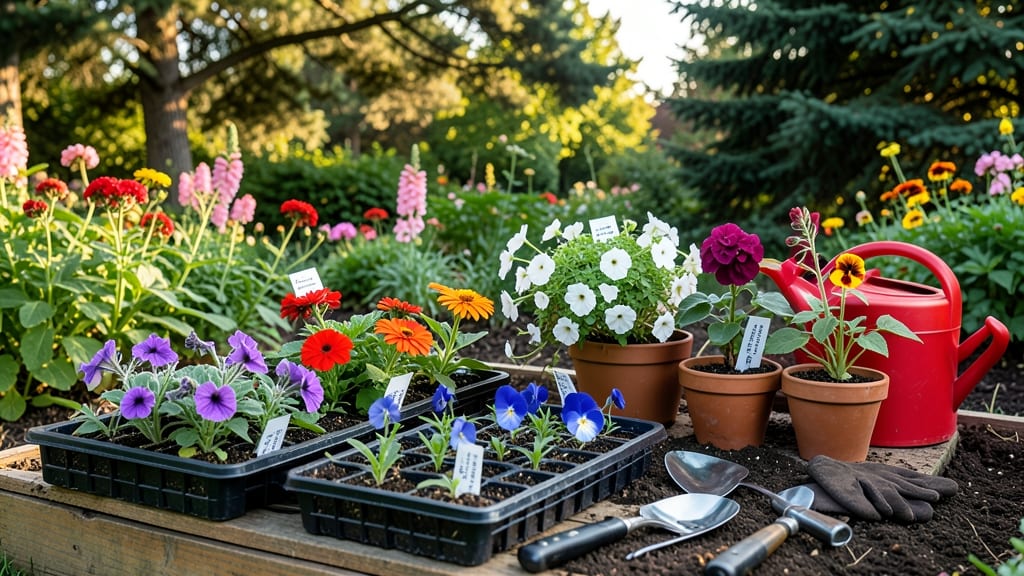
Timing when to plant flowers in Portland, Oregon just right in the Zone 8a climate can mean the difference between a lush, blooming garden and wasted effort.
With unpredictable frost dates and mild winters, getting the planting window perfect is key to avoiding those heartbreaking early freezes or leggy, weak blooms.
I’ve learned the hard way that Portland’s spring planting window (March through May) is your best bet for annuals and tender perennials, but bulbs and cold-hardy varieties have their own sweet spots.
Whether you’re a first-time gardener or a seasoned pro, knowing when to tuck those seeds into the soil—or when to hold off—can save you time, money, and frustration.
What if you could extend your blooming season by just a few weeks? The secret lies in understanding Portland’s microclimates, from the sunny patches that warm up faster to the shaded spots that stay cool longer.
I’ll break down exactly when to plant for reliable blooms, so you can enjoy 🌸 flowers from spring through fall without the guesswork.
Let’s dive into the perfect planting schedule for your Portland garden—so you can skip the trial-and-error and start seeing those vibrant blooms sooner. Ready to transform your outdoor space?
Portland’s best flower planting calendar by season (Zone 8a guide)
Portland’s Zone 8a climate gives us a longer growing season than many areas, but unpredictable frosts can still catch gardeners off guard. The key to vibrant blooms year-round is planting at the right time—whether you’re sowing cool-season annuals in early spring or heat-loving perennials in late summer.
Let’s break down the ideal planting windows for Portland’s most beloved flowers.
Remember that Portland’s average last frost date is around April 15, while the first frost often arrives by October 15. However, microclimates can shift these dates by 2-4 weeks, especially in urban heat islands or sheltered valleys.
Always check the soil temperature—it should be at least 50°F for most flowers to thrive.
Spring (March–May) is the busiest season for planting in Portland. This is when you’ll want to get cool-season annuals like pansies and snapdragons in the ground, as well as perennial bulbs like daffodils and tulips. Warm-season flowers, such as zinnias and marigolds, should wait until after May 1 to avoid frost damage.
Summer (June–August) is all about heat-tolerant varieties. Succession planting every 2-3 weeks ensures continuous blooms. Think geraniums, cosmos, and sunflowers—these thrive in Portland’s dry, sunny summers and can handle occasional heatwaves better than delicate petunias.
Fall (September–October) is your second chance for cool-season blooms. Plant pansies, sweet alyssum, and ornamental kale in September for winter color. By late October, focus on hardy perennials like heuchera and sedum, which will establish roots before dormancy.
Winter (November–February) is mostly for indoor seed starting or container gardening. However, evergreen flowers like helllebore and winter jasmine can be planted in protected microclimates for year-round interest.
| Season | Planting Window | Best Flowers | Soil Temp | Notes |
|---|---|---|---|---|
| Spring | March–May | Pansies, Snapdragons, Tulips, Dahlias | 50°F+ | Wait until after last frost (April 15). |
| Summer | June–August | Zinnias, Sunflowers, Cosmos, Marigolds | 60°F+ | Succession plant every 2–3 weeks. |
| Fall | September–October | Pansies, Sweet Alyssum, Ornamental Kale | 55°F+ | Plant 6–8 weeks before first frost. |
| Winter | November–February | Hellebore, Winter Jasmine, Evergreen Roses |
How to adjust planting times for Portland’s microclimates (sunny vs. shady spots)Portland’s microclimates can shift planting windows by weeks—especially when comparing a sun-drenched backyard to a shady corner. South-facing gardens warm up faster in spring, while north-side spots stay cooler longer. This means your dahlias might thrive in May on the sunny side but need to wait until June in shade. Even 10 feet of difference in elevation or a single tree canopy can delay soil warming by 2-3 weeks. For example, petunias (heat-sensitive annuals) planted in full sun by April 15 often bolt by July, but shaded beds can stretch their bloom time until June 1. Use row covers or black plastic mulch to warm soil in shaded areas by 5-10°F, letting you plant marigolds or zinnias 2 weeks earlier. Conversely, add shade cloth to south-facing beds in summer to protect pansies from overheating.
⚠️ Callout Warning: North-facing gardens often have later frost risks even after Portland’s average last frost (April 15). Test soil temps—wait until 50°F+ for annuals or 40°F+ for perennials like coneflowers.
Wind exposure also matters: Exposed hilltops lose heat faster at night, while windbreaks (like fences or hedges) can add 3-5°F of warmth. Plant wind-tolerant flowers like black-eyed Susans on breezy sites, but shield delicate cosmos with burlap screens. For container gardening, soil warms 2-3 weeks faster than in-ground beds. Start potted geraniums indoors by March 1 for outdoor placement by April 15, even if your yard isn’t ready. Containers also dry out quicker—water daily in summer for potted impatiens. Pro tip: Group flowers by sun needs—place sun-lovers (like lupines) together and shade-tolerant types (like foxgloves) under trees. This creates microclimate harmony and reduces transplant shock. |