
Flowers
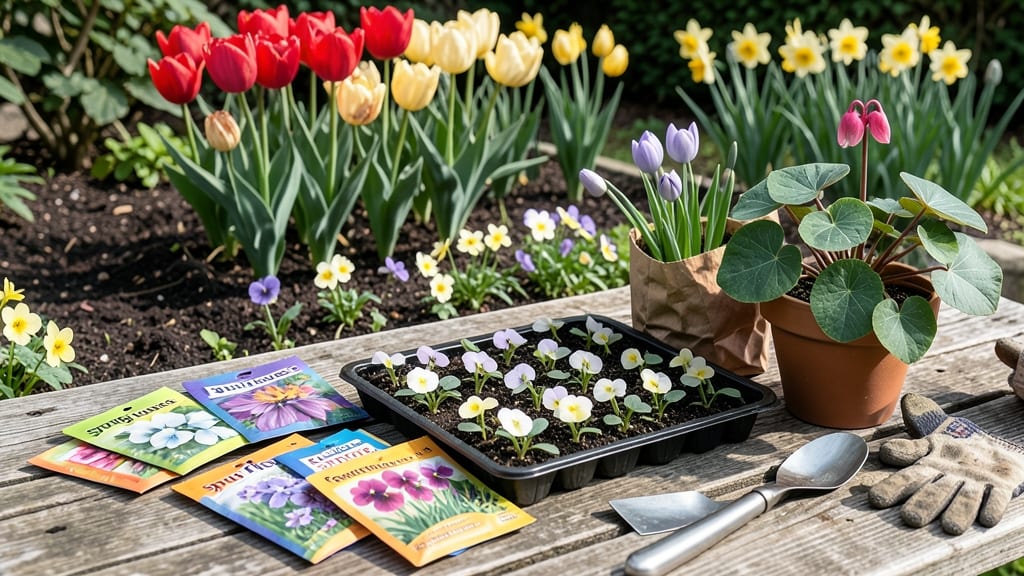
Planting your spring flowers at the wrong time can mean the difference between a garden bursting with color and a sad, frost-nipped disappointment. The key? Timing it right after the last frost—when Zone 6a typically warms up in late April or early May.
But here’s the catch: frost dates vary wildly across the country, and rushing too early can leave your 🌸 blooms vulnerable. I’ll break down exactly when to plant—plus how to check if your soil is really ready—so you can enjoy those vibrant petals all season long.
Whether you’re planting annuals like petunias or hardy perennials, knowing the right window saves time and frustration. Let’s dive into the perfect planting schedule for your region and the simple tricks to extend your blooming season.
Ready to transform your garden? You’ll learn how to read frost forecasts, adjust for heat-sensitive varieties, and spot the 5 signs it’s truly safe to plant—no guesswork required.
USDA Zone-by-Zone spring planting dates for annual flowers
Spring’s arrival brings excitement, but planting too early can fry tender seedlings with a surprise frost. The USDA Plant Hardiness Zone Map is your first clue—but frost dates tell the real story.
I’ll break down exact planting windows for Zones 3 through 11, plus which flowers thrive in each microclimate. No more guessing!
For example, Zone 3 gardeners (think Minnesota, Maine) can start cold-hardy flowers like pansies as early as late April, while Zone 10’s warm winters (Southern California, Florida) allow year-round planting of heat-lovers like zinnias. Let’s dive into the specifics so you can plant with confidence.
Pro Tip: Always check your local last frost date—it can vary by 1-2 weeks even within the same zone. Use the National Weather Service or Almanac.com for hyper-local data.
Notice how Zone 6 (my home zone!) has a 3-week window between frost dates and safe planting. That’s why I always test soil temperature—if it’s below 60°F (15°C), hold off! Use a soil thermometer ($10 at garden centers) for accuracy.
For bulbs like tulips or daffodils, plant them in fall (Zone 3-7) or early winter (Zone 8-10). These perennials need cold to bloom, so spring planting won’t work. Annuals, however, are your flexible friends—just wait for that green light.
One common mistake I see? Gardeners in Zone 5-7 planting tender annuals like impatiens too early. They’ll bolt (go to seed) or rot. Stick to the zone guidelines, and you’ll avoid this heartbreak.
🌿 Quick Zone Check: Use the USDA Interactive Map to pinpoint your exact zone—it’s free and saves you from trial-and-error planting. Pro move!
Next, we’ll tackle cold-hardy vs. heat-sensitive flowers—because not all blooms are created equal! Some thrive in chilly springs, while others wilt without warmth. Stay tuned for personalized planting hacks to extend your season.
How to adjust planting dates for cold-hardy vs. heat-sensitive flowers
Not all flowers thrive at the same time in spring—some love cool weather while others bolt in the heat. Cold-hardy flowers like pansies and snapdragons can handle light frosts, while heat-sensitive varieties like lilies and sunflowers need warmer soil to establish roots.
Knowing these differences helps you plant at the perfect moment for each type.
For cold-hardy flowers, you can often plant them 2-4 weeks before your last frost date.
These resilient blooms tolerate 32°F to 40°F soil temperatures, making them ideal for early spring. Heat-sensitive flowers, on the other hand, need to wait until the soil warms to at least 60°F (15°C)—typically 2-4 weeks after your last frost date.
Here’s how to adjust your planting schedule based on flower type:
| Flower Type | Best Planting Time | Soil Temp Requirement | Examples |
|---|---|---|---|
| Cold-Hardy | 2-4 weeks before last frost | 32°F to 40°F (0°C to 4°C) | Pansies, Snapdragons, Sweet Alyssum |
| Moderate Tolerance | 1-2 weeks before last frost | 45°F to 55°F (7°C to 13°C) | Petunias, Marigolds, Zinnias |
| Heat-Sensitive | 2-4 weeks after last frost | 60°F+ (15°C+) | Lilies, Sunflowers, Dahlias |
If you’re unsure about your local frost dates, check the USDA Plant Hardiness Zone Map or use a soil thermometer to confirm readiness. For heat-sensitive flowers, consider starting seeds indoors 6-8 weeks before your last frost date to give them a head start.
For those early bloomers like pansies, you can even plant them in fall for a spring surprise. Just cover them with mulch or row covers if late frosts threaten. This trick extends your blooming season and gives you a jump on summer color.
Pro tip: If your spring is unpredictable, use row covers or cold frames to protect tender plants until they’re established. These simple tools can add 2-4 weeks of growing time, letting you plant earlier or later without risking frost damage.
Remember, soil temperature matters more than air temperature. A sunny day in March might feel warm, but if the soil is still below 50°F (10°C), your seeds or transplants could struggle. Always check with a soil thermometer before planting heat-sensitive flowers.