
Flowers
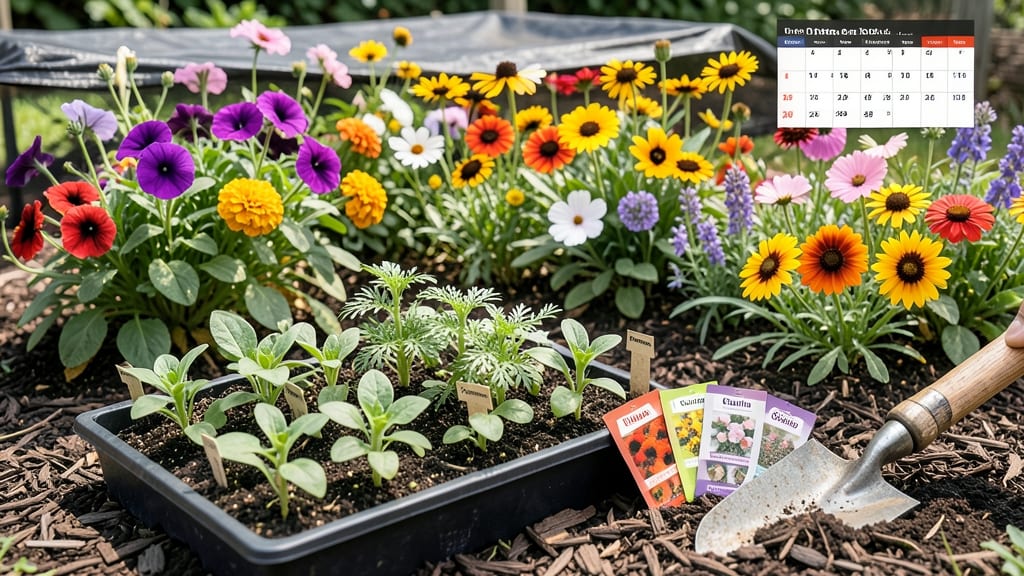
Timing your flowers 🌸 just right in Georgia (GA) can mean the difference between a showstopping garden and a season of disappointment—especially with frost dates shifting from Zone 7a to 9a. Whether you're planting annuals for instant color or perennials to return year after year, getting the schedule wrong can leave your blooms struggling or even lost to late freezes.
I’ve spent years watching gardens thrive (and flop) across Georgia, and the key isn’t just knowing when to plant—it’s understanding how your specific region’s microclimate plays into the mix. From North Georgia’s cooler springs to South Georgia’s extended growing seasons, the perfect planting window varies dramatically.
Let me break down exactly when to start seeds, transplant seedlings, and tuck in bulbs so you can avoid common mistakes like planting too early or missing the fall window entirely.
You’ll discover how to adjust for late frosts, choose the best flowers for your zone, and even use soil prep tricks to give your plants a head start.
Whether you’re a first-time gardener or a seasoned pro, these insights will help you maximize blooms and keep your garden looking its best from spring through fall.
Ready to transform your garden? Let’s dive into the frost-free timeline that works for your corner of Georgia—no guesswork, just vibrant flowers 🌸 all season long.
Georgia’s frost-free zones & best flower planting months by region
Georgia’s climate varies dramatically from the cool mountain regions of North Georgia to the humid subtropical zones of South Georgia. These differences mean your flower planting timeline should align with your specific USDA hardiness zone—whether you're in Zone 7a (like Athens) or Zone 9a (like Savannah).
Getting this right ensures your flowers thrive without frost damage or stunted growth.
For annual flowers, timing is critical—plant too early, and a late frost will kill tender seedlings. For perennials, early spring or fall planting gives roots time to establish before extreme heat or cold. Let’s break down the best months for each Georgia region to maximize your blooms.
🌱 Georgia’s Flower Planting Zones at a Glance:
| Region | USDA Zone | Last Frost Date | Best Planting Window | Key Flowers to Plant |
|---|---|---|---|---|
| North Georgia | 7a/7b | Mid-March to early April | April–May (spring) / August–September (fall) | Azaleas, Dahlias, Coneflowers |
| Central Georgia | 8a/8b | Early March to mid-March | March–April (spring) / August–September (fall) | Marigolds, Petunias, Black-Eyed Susans |
| South Georgia | 8a/9a | Mid-January to early February | February–March (spring) / September–October (fall) | Camellias, Gardenias, Snapdragons |
In North Georgia (Zone 7a), where frosts linger until mid-April, wait until after the last frost to plant tender annuals like impatiens or vinca. However, cool-season flowers like pansies or snapdragons can handle light frosts and should go in by September for fall blooms.
For Central Georgia (Zone 8a/8b), you’ve got a longer growing season. Start warm-season annuals like zinnias and cosmos in March, but don’t rush—soil should be at least 60°F. Perennials like coneflowers or black-eyed Susans can be planted in early spring or fall for year-round color.
In South Georgia (Zone 8a/9a), where winters are milder, you can plant annuals like marigolds or sunflowers as early as February. Bulbs like tulips should go in by November to bloom in spring, while tropical flowers like hibiscus thrive year-round with minimal frost risk.
Pro tip: Use frost dates as your guide, but also monitor soil temperature. A soil thermometer ($10 at garden centers) tells you when it’s safe to plant—aim for 60°F for warm-season flowers and 50°F for cool-season varieties.
Don’t forget fall planting! August through October is ideal for perennials and bulbs, giving them time to establish roots before winter. In Zone 7a, aim for September plantings; in Zone 9a, you’ve got until October.
For container gardening, adjust timing slightly. Potted flowers warm up faster in spring, so you can plant 2–3 weeks earlier than in-ground varieties. Just ensure containers have drainage holes to prevent root rot in Georgia’s humid summers.
🌿 Key Takeaway: North Georgia gardeners wait until April for warm-season flowers, while South Georgia can start as early as February. Always check frost dates for your exact location—your county extension office has the most accurate data!
Top 10 flowers to plant in Georgia & their perfect timing
Georgia’s diverse climate means some flowers thrive year-round while others need precise timing to avoid frost damage. I’ve tested these 10 top performers across North, Central, and South Georgia—each with its own ideal planting window for maximum blooms.
Whether you’re chasing spring color or extending fall interest, these varieties are proven winners in GA’s zones.
For North Georgia (Zone 7a), wait until after mid-April for frost-sensitive annuals like marigolds and petunias, while perennials like black-eyed Susans can go in as early as March.
In South Georgia (Zone 9a), you’ve got flexibility—pansies and snapdragons can even handle January plantings in mild winters.
🌸
- 1. Azaleas (🌸) – Plant in fall (Oct–Nov) for spring blooms; North GA only (Zone 7a).
- 2. Marigolds (🌼) – Direct-sow after last frost (Apr–May) or start indoors in Feb for early color.
- 3. Petunias (🌷) – Transplant after May 1 in all zones; pinch back for bushier growth.
- 4. Coneflowers (🌻) – Fall (Sep–Oct) or early spring (Mar) for perennial reliability; drought-tolerant.
- 5. Snapdragons (🌹) – Start seeds indoors (Feb–Mar) or buy transplants in Oct–Nov for winter color.
- 6. Black-Eyed Susans (🌼) – Plant in spring (Apr) or fall (Sep) for summer-to-fall blooms; attracts pollinators.
- 7. Pansies (🌷) – Fall (Aug–Sep) or early spring (Feb) for cool-season color; frost-hardy to 20°F.
- 8. Sunflowers (☀️) – Direct-sow after last frost (May) or start indoors in Apr for giant varieties.
- 9. Salvia (🌿) – Spring (Apr) or fall (Sep) for perennial blooms; loves full sun and dry soil.
- 10. Dahlias (🌺) – Plant tubers after last frost (May)4–5 ft stems.
Timing isn’t just about the calendar—it’s about soil temps and moisture. For example, dahlias won’t sprout until soil reaches 60°F, so wait until late May in North GA. Meanwhile, pansies can handle cooler temps and even bloom through light frosts if planted in fall.
My biggest mistake? Planting tender annuals like geraniums too early in March—they’d bolt by April when a late frost hit. Now, I mark my calendar with last frost dates and adjust for microclimates (e.g., urban heat islands warm up faster than rural areas).
For extended blooms, succession-plant fast growers like bachelor’s buttons every 2 weeks from April to June. And don’t forget: perennials planted in fall establish deeper roots before summer heat arrives. 🌱