Plants
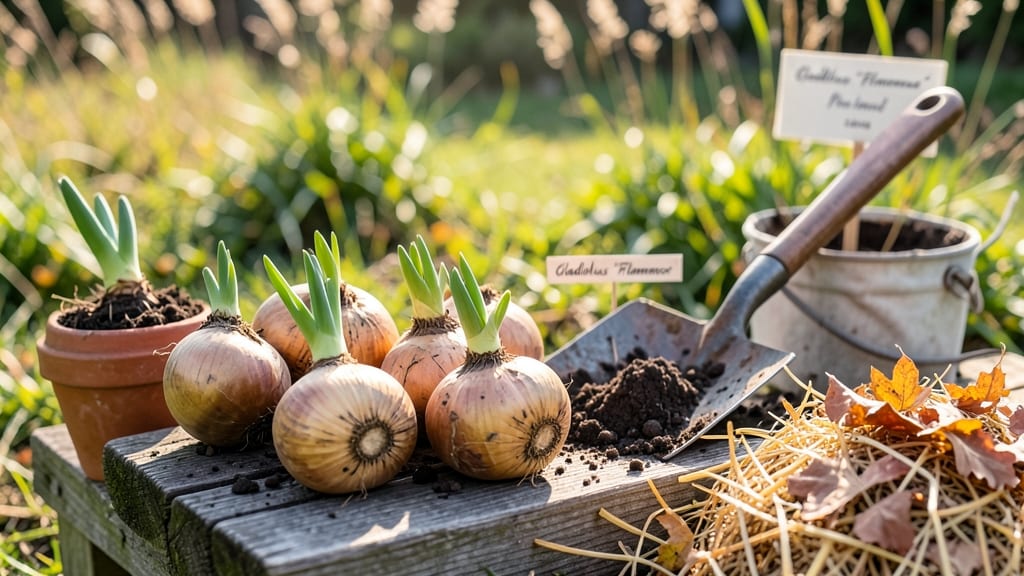
Planting gladiolus bulbs at the wrong time in North Carolina can mean the difference between stunning summer blooms and sad, wilted stems before they even show their color. These dramatic 🌸 flowers thrive when planted just right—after the last frost but before the heat of summer sets in.
If you're in USDA Zones 7b-8a, timing is everything. The ideal window runs from late March through early May, giving bulbs enough time to root before the real heat arrives. Skipping this window risks weak growth or even bulb rot in North Carolina's humid summers.
I've learned the hard way that gladiolus bulbs need well-draining soil and full sun to shine. Once planted, consistent watering and proper spacing will set you up for bold, long-lasting blooms from July through September. Let me show you exactly how to get it right.
Whether you're in the Piedmont or Coastal regions, these steps will help you avoid common mistakes. With the right preparation, your garden will burst with color—just in time for summer's peak. Let's get those bulbs in the ground the right way.
Best planting windows for gladiolus in North Carolina’s USDA Zones 7b-8a
North Carolina’s USDA Zones 7b-8a create the perfect stage for gladiolus to shine. These dramatic flowers thrive when planted at the right time—too early, and frost will damage tender bulbs; too late, and you’ll miss summer’s peak blooms.
The key is timing bulbs 4-6 weeks before your last frost date, which typically falls between mid-April and early May across most of the state.
For Piedmont regions (Zone 7b), aim for planting between late March and mid-April. Coastal areas (Zone 8a) can start slightly earlier, around mid-March to early April. This timing ensures bulbs establish roots before summer’s heat peaks, giving you 6-8 weeks of vibrant blooms from July through September.
Soil temperature is just as critical as calendar dates. Gladiolus bulbs need soil temps above 60°F (15°C) to sprout. In North Carolina, this usually aligns with late April to early May, but always check your local frost-free date for precision.
A simple soil thermometer can save you from planting too soon.
Early varieties like 'Green Star' can handle slightly cooler soils, while late bloomers like 'Picasso' need warmer conditions. Planting early varieties first (late March) and late varieties last (early May) extends your bloom season from July to October.
Here’s how North Carolina’s regional climate affects planting windows:
| Region | USDA Zone | Last Frost Date | Ideal Planting Window | Bloom Period |
|---|---|---|---|---|
| Piedmont (Raleigh, Greensboro) | 7b | Mid-April | Late March–Mid-April | July–September |
| Coastal (Wilmington, Morehead City) | 8a | Early April | Mid-March–Early April | June–October |
| Mountains (Asheville, Boone) | 7a-7b | Late April | Early–Mid-April | July–August |
If you’re in a cooler microclimate (like the mountains), err on the side of planting later—even if it means slightly shorter blooms. The heat of North Carolina summers is actually ideal for gladiolus, so don’t rush planting just to get an earlier start.
Bulbs planted too early may rot in cold, wet soil.
For container gardening, you can push the timeline slightly. Since pots warm up faster, late April to early May works well even in cooler zones. Just ensure containers have drainage holes to prevent root rot, a common issue in North Carolina’s humid climate.
Pro tip: Mark your calendar for 6 weeks before your last frost date—that’s when you should have bulbs ready to plant. Order early varieties now if you haven’t already, as they’re the first to arrive at garden centers.
With the right timing, your gladiolus will reward you with stunning vertical drama that lasts all summer long.
Remember, gladiolus bulbs are perennial in warmer zones like 8a, but they often need to be dug up and divided every 2-3 years to prevent overcrowding. Plan accordingly if you want to enjoy them year after year.
Best planting windows for gladiolus in North Carolina’s USDA Zones 7b-8a
North Carolina’s USDA Zones 7b-8a create a perfect stage for gladiolus, but the timing of planting is your backstage pass to success. The ideal window runs from late March through early May, right after the last frost date—which typically lands in mid-April across most of the state.
Planting too early risks frost damage to tender shoots, while late planting can stress bulbs before they establish roots. In Coastal NC (Zone 8a), you’ve got a slightly longer window—sometimes as late as early June—but Piedmont regions (Zone 7b) demand earlier action to avoid summer heat stress.
| Region | USDA Zone | Last Frost Date | Best Planting Window | Soil Temp Threshold |
|---|---|---|---|---|
| Coastal NC | 8a | Late March | Late March–Early June | 60°F+ (15°C+) |
| Piedmont NC | 7b | Mid-April | Late March–Early May | 55°F+ (13°C+) |
| Mountain NC | 7a | Early May | April–Early May | 50°F+ (10°C+) |
For early blooming varieties, aim for late March planting—this gives them a head start before summer heat arrives. Late varieties can wait until early May, but don’t push it past June 1st unless you’re in Coastal NC.
Pro tip: Check your local soil temperature—gladiolus bulbs need at least 55°F (13°C) to sprout. Use a soil thermometer to confirm before planting. If temps are cooler, wait a week or two.
Once planted, consistent moisture is key—especially in North Carolina’s humid summers. Water deeply once a week to encourage strong root growth before the blooms appear.
Timing isn’t just about the calendar—it’s about giving your gladiolus bulbs the best shot at thriving in NC’s unique climate. With the right window, you’ll enjoy bold, long-lasting blooms from July through September. 🌸