
Plants
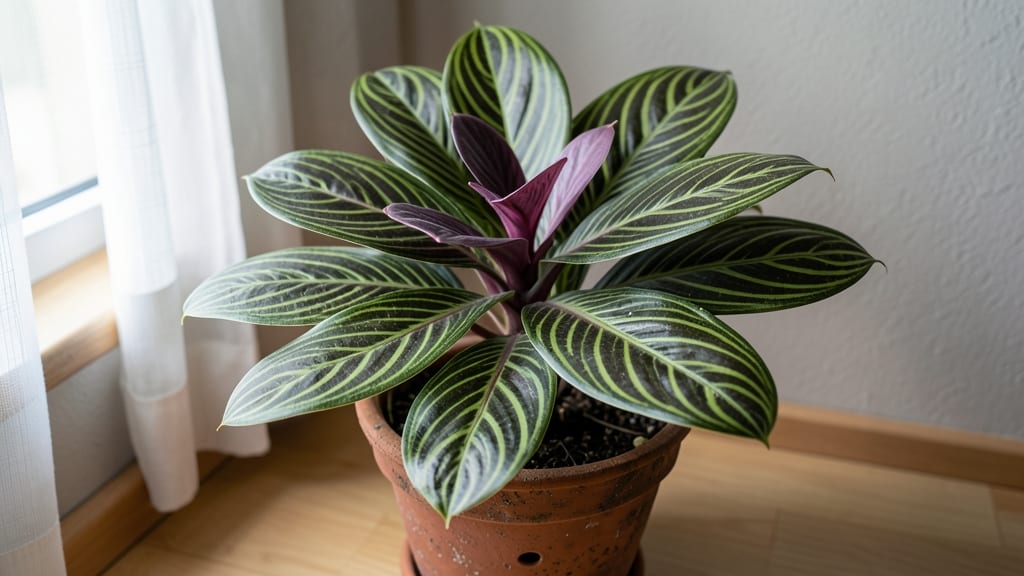
Wondering how much light your Zebra Plant 🌿 truly needs to keep those bold striped leaves popping? The answer might surprise you—it’s not just about more light, but the right kind of light.
Too little light, and your plant stretches out like a sleepy cat, losing its signature variegation. Too much direct sun, and those gorgeous leaves crisp up faster than toast in a hot pan.
Finding that sweet spot is easier than you think, and I’ve got the exact tips to keep your Zebra Plant thriving.
Let’s break down the ideal light setup—whether you’re working with a sunny east-facing window or a dim corner office. You’ll also learn how to spot when your plant is begging for more (or less) light, plus simple fixes to keep it happy year-round.
Ready to transform your Zebra Plant from "meh" to "wow"? Let’s dive into the light secrets that’ll have it looking like a showstopper in no time.

Ideal light requirements for zebra plants: bright indirect sunlight explained
The zebra plant (Aphelandra squarrosa) thrives under bright indirect light, making it perfect for east or north-facing windows. This tropical beauty needs about 4-6 hours of filtered sunlight daily to maintain its stunning striped foliage.
Too little light causes leggy growth, while too much direct sun can scorch its delicate leaves.
I’ve found that placing my zebra plant 2-3 feet from an east-facing window gives it the perfect balance. Morning sun is ideal because it’s gentler than harsh afternoon rays. If your home lacks natural light, grow lights can supplement—just keep them 12-18 inches away for 12-14 hours daily.
Here’s how different light conditions affect your zebra plant:
| Light Condition | Effects on Zebra Plant | Best Solution |
|---|---|---|
| Bright Indirect Light | Vibrant stripes, compact growth | East/west window, sheer curtain |
| Low Light | Leggy stems, pale leaves | Move closer to window or add grow light |
| Direct Sunlight | Brown leaf tips, sunburn | Use sheer curtain or move 3+ feet away |
Your zebra plant’s variegated leaves rely on consistent light to maintain their striking patterns. Without enough light, the green parts dominate, dulling the zebra stripes. I’ve noticed my plant’s stripes become more vibrant when I rotate it quarter-turn weekly—this ensures even light exposure.
For artificial lighting, LED grow lights with a 5000-6500K color temperature mimic natural sunlight best. Place them 12-18 inches above the plant and keep them on for 12-14 hours daily. Fluorescent bulbs work too, but they’re less efficient for long-term use.
In summer months, watch for afternoon sun—even indirect rays can become intense. If your zebra plant starts showing yellowing leaves or crispy edges, it’s getting too much heat. Move it to a shadier spot or use a light sheer curtain to diffuse the light.
Pro tip: If your zebra plant’s leaves lose their stripes, it’s a clear sign of light deficiency. Boosting light immediately can help restore the pattern, though severe cases may require pruning leggy stems to encourage bushier growth.
Remember, zebra plants are tropical—they love warmth and humidity too! Pairing proper light with 60-70% humidity and moderate watering (letting the top inch of soil dry) will keep your plant thriving year-round.
🌿
Signs your zebra plant isn’t getting enough light (and how to fix it)
Your zebra plant’s variegated leaves are its signature feature, but when light levels drop, those striking stripes fade into plain green.
This is your plant’s way of saying, "I need more light!" The first clue is often leggy growth—long, sparse stems with tiny leaves clustered at the top.
Another red flag is lost variegation. If the white or yellow stripes on your zebra plant’s leaves start disappearing, it’s struggling to produce enough chlorophyll in low light. Even the leaf color shifts—dull green instead of vibrant variegation is a clear warning sign.
Watch for brown leaf tips or edges, which often signal stress from insufficient light combined with dry air. These symptoms appear gradually, so act quickly if you notice them. Your zebra plant might also drop leaves unexpectedly, especially if it’s been in a dim corner for months.
🚨 Warning: Common Light Mistakes
❌ Placing it in a north-facing window without supplemental light—these windows offer the least sunlight and can stunt growth.
❌ Ignoring seasonal light changes—shorter winter days mean your zebra plant needs artificial light support to maintain health.
❌ Rotating the plant too infrequently—leads to uneven light exposure and lopsided growth.
To fix leggy growth, move your zebra plant to a brighter spot immediately. An east-facing window is ideal—it provides gentle morning sunlight without harsh afternoon rays. If your home lacks natural light, consider a grow light placed 6-12 inches above the plant for 12-14 hours daily.
For lost variegation, rotate the plant weekly to ensure even light exposure. This encourages balanced growth and helps the leaves regain their striking patterns. Pair this with a humidity tray or occasional misting to reduce stress from low-light conditions.
If brown tips persist, check your watering habits—low light often means the plant isn’t transpiring enough, leading to dry edges. Water only when the top inch of soil is dry and avoid cold water, which shocks the roots.
With these adjustments, your zebra plant’s leaves will bounce back in 4-6 weeks! 🌿