
How To
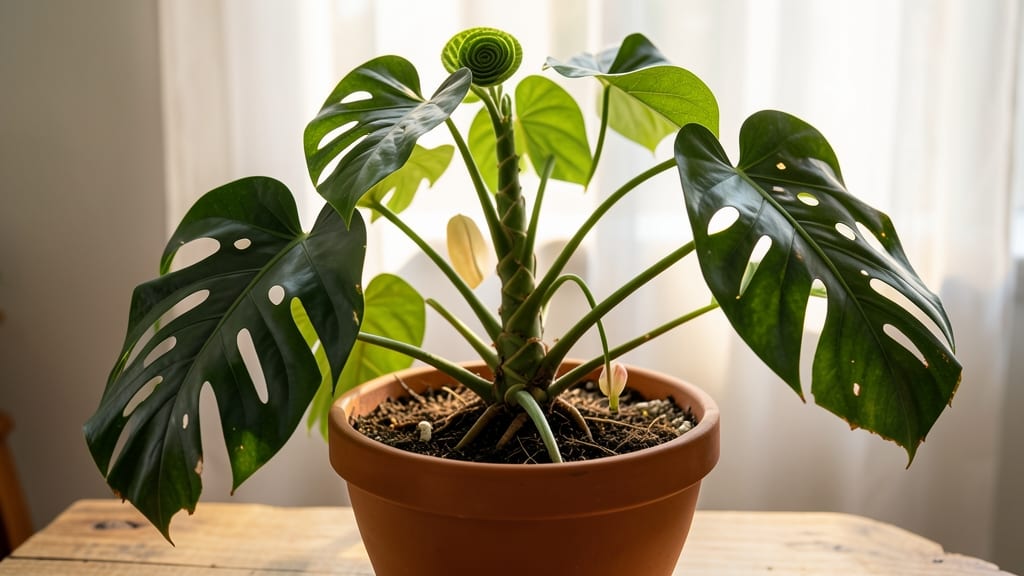
If your Monstera plant needs how much light to thrive—yellowing leaves, slow growth, or stretched-out vines—light might be the culprit. This tropical plant thrives in bright, indirect light, but too much direct sun or dim corners can stunt its growth or even harm it.
Most people assume any sunlight will work, but Monstera plants are picky about their lighting. Too little light leads to weak, leggy stems, while too much causes brown spots or crispy edges. The key is finding that sweet spot—bright enough to encourage lush foliage but gentle enough to prevent damage.
Don’t worry if your home doesn’t have perfect natural light. I’ll show you exactly how to mimic ideal conditions, whether you’re adjusting window placement, using grow lights, or spotting early signs of light stress.
With these simple tweaks, your Monstera 🌿 will reward you with stunning, healthy growth in no time.
Ready to transform your plant’s lighting game? Let’s dive into the exact brightness levels your Monstera needs—and how to fix common mistakes before they become permanent problems.
Monstera light requirements: ideal brightness levels for healthy growth
Your Monstera plant thrives in bright indirect light, but the exact amount depends on your home’s conditions. Think of it like a tropical rainforest understory—dappled sunlight filtering through leaves, not harsh midday rays.
The ideal spot gets 4-6 hours of filtered light daily, with 10,000-15,000 lux measured at the plant’s height.
Most Monstera owners make two mistakes: placing plants in low-light corners (causing leggy growth) or near south-facing windows (burning leaves). The key is mimicking its natural habitat—bright but diffused. East or north-facing windows are perfect, while west or south windows need sheer curtains to soften the light.
If you’re unsure about your space, use a light meter app (like Light Meter for iOS or Lux Light Meter for Android) to check brightness. Aim for 500-1,000 foot-candles—any lower, and your plant will stretch toward light; higher, and it risks sunburn.
Seasonal changes also affect light needs. During winter months, shorter daylight hours mean your Monstera may need supplemental light. In summer, afternoon sun can become intense, so rotate your plant or move it back from the window by 1-2 feet to prevent leaf scorch.
Here’s how to visualize the perfect setup: Imagine your Monstera sitting 2-3 feet from an east-facing window in spring or a north-facing window year-round. The leaves should stay deep green with occasional variegation, and new growth should appear vigorous and glossy.
🌿
| Light Condition | Brightness Level | Ideal Placement | Monstera Response |
|---|---|---|---|
| Low Light | <500 foot-candles | North-facing window, 5+ feet away | Leggy growth, small leaves |
| Medium Light | 500-1,000 foot-candles | East/west window, 2-3 feet away | Healthy growth, moderate variegation |
| Bright Indirect | 1,000-2,000 foot-candles | North window, 1-2 feet away | Optimal growth, large leaves |
| Direct Sun | >2,000 foot-candles | South/west window, no filter | Brown spots, crispy edges |
Pro tip: Rotate your Monstera plant quarter-turns every 2 weeks to ensure even growth. Uneven light exposure causes lopsided development, where one side stretches toward the window while the other stays compact. This simple habit keeps your plant symmetrical and thriving.
If your home lacks natural light, don’t panic—grow lights can replicate ideal conditions. Look for full-spectrum LED bulbs (like Samsung LM300 or GE LED Grow Light) and place them 6-12 inches above the plant for 12-14 hours daily.
Just avoid incandescent bulbs, which emit too much heat and can scorch leaves.
For outdoor growers in USDA Zone 6+, your Monstera can enjoy spring and summer months outside, but always acclimate it gradually to avoid shock. Start with 1-2 hours of morning sun and gradually increase exposure over 2-3 weeks.
Never leave it in direct afternoon sun, as the intensity can cause irreversible damage.
🌳
Signs your Monstera isn’t getting enough (or too much) light
Your Monstera plant sends clear signals when its light needs aren’t being met. Ignoring these clues can lead to permanent damage, so learning to read your plant’s language is key. Start by checking the leaves—they’re your monstera’s way of communicating its lighting struggles.
If your monstera’s leaves are small and sparse with long stems stretching toward the light, it’s begging for more brightness. This condition, called etiolation, happens when your plant stretches to reach its light source.
Another red flag? Pale or yellowing leaves—this means your monstera isn’t getting enough bright indirect light to produce chlorophyll.
🌿
⚠️ Warning: Light Stress Signs
- Too Little Light: Small, pale leaves; leggy growth
- Too Much Light: Brown spots; crispy edges; bleached areas
- Direct Sunburn: White/yellow patches; scorch marks
Act fast! Move your monstera to a bright indirect spot immediately if you see these signs.
On the flip side, if your monstera’s leaves develop brown spots or crispy edges, it’s getting too much direct sunlight. These are classic signs of sunburn, where the intense rays damage the leaf tissue.
You might also notice bleached or white patches on the leaves—another warning that your plant is struggling with harsh light conditions.
Don’t overlook the growth pattern either. Healthy monstera vines grow at a steady pace with large, glossy leaves. If growth has stalled completely or your plant is producing tiny, undeveloped leaves, it’s likely not getting enough light to fuel its energy needs.
Here’s how to fix it quickly: Move your monstera to a north-facing window or 2-3 feet away from an east-facing window. If you’re dealing with sunburn, use a sheer curtain to filter the light or rotate the plant away from the strongest sunlight.
For severe cases, consider using a grow light to supplement natural light until your monstera recovers.
Pro tip: Check the underside of leaves for signs of stress. Healthy monstera leaves have a smooth, green underside. If you see dry patches or discoloration, it’s another clue that your plant’s lighting needs aren’t being met.
Adjusting these factors early can save your monstera from long-term damage and get it back on track to becoming a lush, thriving vine.