
Planting
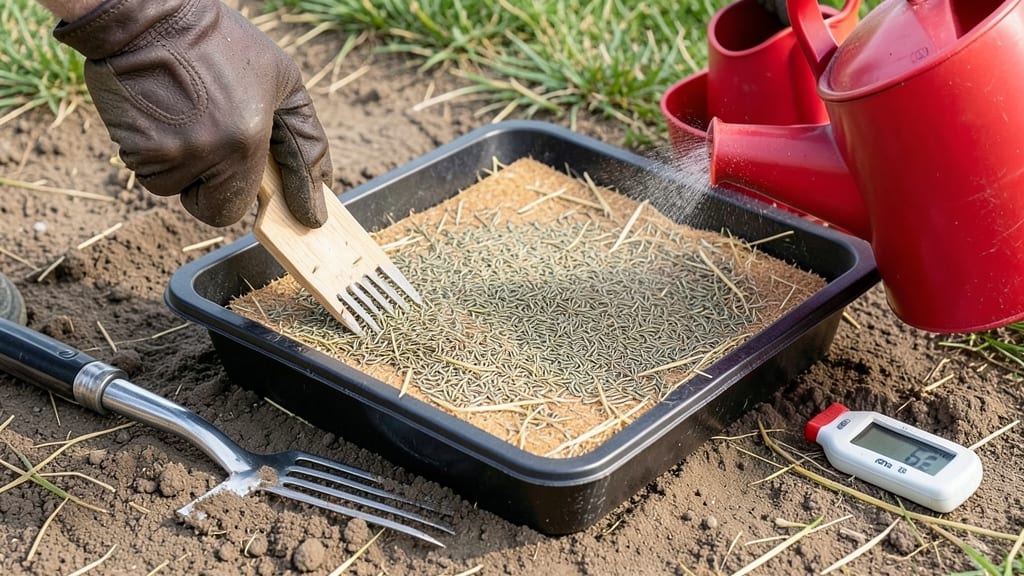
Planting your 🌱 grass seed at the wrong time in Massachusetts can turn your dream of a lush lawn into a frustrating wait for patchy growth. The key isn’t just avoiding frost—it’s understanding how your specific zone (5B-6A) dictates the perfect window, whether you’re seeding in early spring or fall.
Most gardeners in Massachusetts know the basics: wait until the soil warms up or the frost threat passes. But what you might not realize is that even a week too early can leave your seed vulnerable to cold snaps, while planting too late risks summer heat stress.
The sweet spot? Aim for 4-6 weeks before the first frost in fall or after the last frost in spring—with soil temperatures consistently above 50°F.
Here’s the game-changer: coastal areas like Boston and Cape Cod have different frost dates than inland cities like Worcester or Springfield. That means your neighbor’s perfect timing might not work for you.
I’ll break down the exact frost-free windows for your region, plus the grass types that thrive in Massachusetts’ unpredictable climate.
Ready to transform your yard? Let’s dive into the step-by-step timeline and prep work that’ll give you the greenest lawn in the neighborhood—no guesswork required.
Massachusetts frost-free dates for grass seed planting by region (zone 5B-6A)
Massachusetts’ Zone 5B-6A climate means frost can still threaten your grass seed as late as mid-April or as early as mid-October. Timing your planting right—whether in early spring or fall—ensures your seeds germinate before or after frost, not during it.
Coastal areas like Boston and Cape Cod warm up faster than inland cities like Worcester or Springfield, so adjust your schedule accordingly.
For spring planting, aim for late April to early May once soil temperatures consistently stay above 50°F (10°C). Fall is trickier—seed must establish roots 4-6 weeks before frost, ideally between late August and mid-September.
Missing this window risks winter kill or slow growth next spring. Let’s break down the exact frost-free windows for your region.
🌱 Massachusetts Frost-Free Planting Windows by Region
| Region | Last Frost Date (Spring) | First Frost Date (Fall) | Ideal Planting Window |
|---|---|---|---|
| Boston & Coastal MA | April 15 | October 1 | Late April–Early May OR Late August–Early Sept |
| Worcester & Central MA | April 22 | September 28 | Early May OR Mid-August–Late Aug |
| Springfield & Western MA | April 25 | September 25 | Late April–Early May OR Late Aug–Early Sept |
| Northern MA (e.g., Greenfield) | May 5 | September 20 | Early May OR Mid-August |
*Adjust 1-2 weeks earlier for coastal areas (warmer microclimates) or later for inland valleys (colder pockets).
If you’re planting in early spring, wait until the soil temperature stays above 50°F (10°C) for at least 5 days. Use a soil thermometer to check—cold soil slows germination. For fall planting, seed must germinate and develop 3-4 inches of roots before frost hits.
Test your soil’s readiness by pressing your finger into it: if it’s crumbly and moist (not muddy), it’s ready.
Pro tip: Coastal areas like Providence, RI or Newport, RI (just over the border) often have 2-3 weeks earlier frost-free dates than inland MA. If you’re unsure, check the National Weather Service’s local frost advisories or use a frost calendar app like Old Farmer’s Almanac for real-time updates.
Microclimates matter too! South-facing slopes warm up faster than north-facing yards, while low-lying areas hold frost longer. If your yard sits in a frost pocket, plant 2 weeks later than the regional average to avoid frost damage.
Always err on the side of waiting—better to plant late than risk losing your investment to a surprise freeze.
For fall planting, aim to finish by mid-September in most of MA. Seed needs 4-6 weeks to establish before winter dormancy. If you’re in Northern MA, push this to early September to be safe.
Use a lightweight row cover or straw mulch if early frosts threaten your new lawn.
Remember: Grass seed won’t germinate below 50°F. If your soil is colder, wait—even if the air feels warm. Overwatering in cold soil can suffocate seeds, so keep watering light but consistent until temperatures rise. Once your seeds sprout, they’ll need 1-2 inches of water weekly to thrive.
🌱
Critical pre-planting steps to ensure germination success in MA’s variable weather
Before you even sprinkle that grass seed in Massachusetts, your soil needs to be prepped like a chef’s kitchen—clean, nourished, and ready for action. Skipping this step is the #1 reason lawns fail here: poor soil means weak roots, which struggle with our unpredictable spring rains and fall frosts.
I’ve seen too many gardeners rush this part only to watch their seed wash away or rot in cold, compacted soil.
The first rule? Test your soil pH—most Massachusetts lawns need a 6.0-7.0 range. If yours is off, add lime to raise pH or sulfur to lower it.
You can grab a test kit at any garden center for under $20, or send a sample to the UMass Soil Test Lab for professional results. Trust me, this small step saves hours of frustration later.
⚠️ Callout Warning: Don’t Plant Too Early!
Planting grass seed when soil temps are below 50°F (10°C) risks frost damage and slow germination. In Massachusetts, this means wait until mid-April for spring planting or late August for fall. Use a soil thermometer—they’re cheap and save your seed!
Next, tackle weed competition. Massachusetts lawns often battle crabgrass and clover. Apply a pre-emergent herbicide 2-4 weeks before planting, or go organic with corn gluten meal. Just be sure to follow label instructions—overapplying can harm your new grass.
I swear by a light raking after herbicide to loosen the top inch of soil, giving your seed better contact with the earth.
Now for the aeration step—this is where most gardeners drop the ball. Use a core aerator (not just a spike roller!) to pull out small soil plugs, creating channels for roots and water.
Rent one for $60-$80 from a local hardware store, or hire a pro if your lawn is over 5,000 sq ft. Do this 1-2 weeks before planting to let the holes settle. Pro tip: Aerate when the soil is slightly moist, not soggy.
Finally, spread a starter fertilizer with high phosphorus (look for a 5-10-10 or 10-20-10 ratio). This helps roots establish quickly, which is critical in Massachusetts’ short growing seasons.
I recommend 1/2 cup per 10 sq ft, but always check the package. Water lightly after applying to help it sink in.
With these steps locked in, your grass seed will have the perfect foundation to thrive—no matter whether you’re planting in cooler spring or mild fall weather. The key? Patience and prep—just like any great garden, a lush lawn starts below the surface. 🌱