
Companion Plants
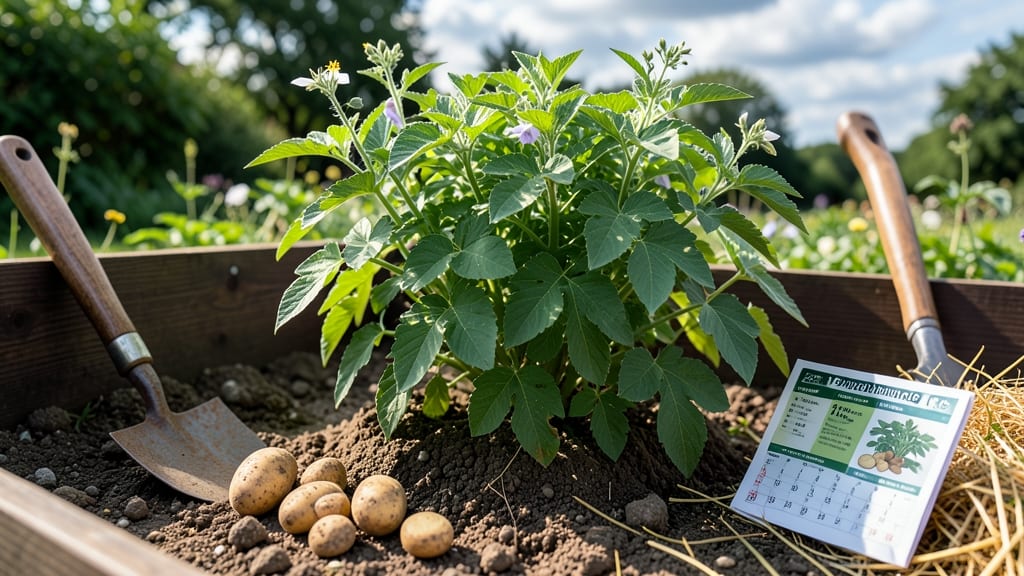
Zone 6B potato planting calendar: exact weeks before last frost for peak growth
In Zone 6B, your potato planting window is 2-4 weeks before your last average frost date, which typically lands between March 20 and April 15. This timing ensures your tubers have 90-120 frost-free days to mature—critical for avoiding stunted growth or blight.
Planting too early risks cold soil, while waiting too long may leave no room for a full harvest before summer heat sets in.
Your last frost date in Zone 6B usually falls around April 15, so aim to plant seed potatoes between March 20 and April 1. This window balances soil warmth (at least 45°F) with frost risk.
For high-altitude areas in Zone 6B, adjust 1-2 weeks later—colder microclimates need extra time for soil thawing.
Soil temperature is your #1 indicator—wait until the ground reaches 45°F (7°C) at least 4 inches deep. Use a soil thermometer to check; cold soil slows sprouting and invites rot.
In Zone 6B, this often aligns with mid-to-late March, but watch for late snow or unpredictable spring weather.
🌱 Zone 6B Potato Planting Summary
| Stage | Action | Timeframe |
|---|---|---|
| Soil Prep | Add compost, loosen soil to 12" deep | Late February |
| Plant Seed Potatoes | 4-6" deep, 12" apart, eyes up | March 20-April 1 |
| Hilling | Pile soil around stems every 2-3 weeks | April-June |
| Harvest Early Varieties | When flowers fade (70-90 days) | Late June-July |
| Harvest Late Varieties | After foliage dies back (100-120 days) | August-September |
For early varieties (like Yukon Gold or Red Norland), plant closer to April 1—these mature in 70-90 days and can handle slightly cooler soil. Late varieties (e.g., Russet Burbank) need the full March window to avoid rushed harvests.
If your spring is unpredictable, opt for 2-3 varieties staggered by 2 weeks to spread risk.
Pro tip: Use black plastic mulch to warm soil faster in Zone 6B. Lay it down 1-2 weeks before planting—this can shift your planting window 10-14 days earlier, giving you a head start on the growing season. Just remove it before hilling to prevent overheating.
Monitor your local Almanac frost predictions—some Zone 6B pockets (like western mountains) may have frost until May 1. If you’re unsure, plant test rows 2 weeks apart to compare growth. Early planted potatoes may bolt in heat, while late ones risk blight before harvest.
After planting, mulch heavily with straw to maintain even soil temps. In Zone 6B, temperature swings between day and night can stress tubers—mulch keeps roots consistently 60-70°F, ideal for tuber formation. Avoid synthetic mulches; they trap too much heat and invite pests.
Finally, mark your calendar for harvest reminders: Early potatoes (like New Potatoes) are ready when flowers fade (~70 days), while storage varieties need full foliage die-back (~120 days).
In Zone 6B, this often means late June for early varieties and September for late ones—don’t wait too long or tubers turn woody.
🌱
How to choose potato varieties that thrive in zone 6B’s short growing season
Selecting the right potato varieties for Zone 6B is key to avoiding a disappointing harvest. With only 165 frost-free days, you need fast-maturing types that resist late blight and cold snaps.
Early varieties like ‘Yukon Gold’ or ‘Red Norland’ reach harvest in 70–90 days, while mid-season types such as ‘Kennebec’ take 90–110 days—both perfect for your zone’s shorter season.
Cold-hardy varieties like ‘German Butterball’ tolerate light frosts and thrive even when soil temps hover around 40°F. These are ideal if your last frost lingers into mid-April. Meanwhile, longer-season varieties like ‘Russet’ may struggle unless planted in early March for a late-summer harvest.
Disease resistance matters too. Blight-prone varieties like ‘Katahdin’ need extra care in humid Zone 6B summers. Opt for ‘Adirondack Blue’ or ‘Purple Viking’ for built-in resilience. Always check seed packets for “early,” “mid,” or “late” labels—your planting window hinges on these details.
| Variety | Days to Harvest | Best for Zone 6B | Notes |
|---|---|---|---|
| Yukon Gold | 70–90 | Early planting | Buttery texture, frost-tolerant |
| German Butterball | 80–100 | Cold snaps | Resists blight, creamy flavor |
| Kennebec | 90–110 | Mid-season | High yield, stores well |
| Adirondack Blue | 90–100 | Disease resistance | Purple skin, nutrient-rich |
For high-altitude areas in Zone 6B (e.g., mountainous regions), plant earlier varieties in late February to extend the season. Use black plastic mulch to warm soil faster if your last frost is late.
Avoid long-day varieties like ‘Desiree’, which need 14+ hours of daylight—Zone 6B’s shorter days limit their success.
Pro tip: Chit your seed potatoes (sprout them indoors) 4–6 weeks before planting to jumpstart growth. This shaves critical days off your harvest timeline in Zone 6B’s tight schedule. Pair your chosen variety with companion plants like bush beans or marigolds to deter pests and boost yields.
If you’re unsure which variety to pick, start with ‘Yukon Gold’ or ‘Red Pontiac’—both are reliable in Zone 6B and adaptable to early or late planting. Just remember: earlier = better in your climate, but never plant before soil reaches 40°F to avoid rot.