
Planting
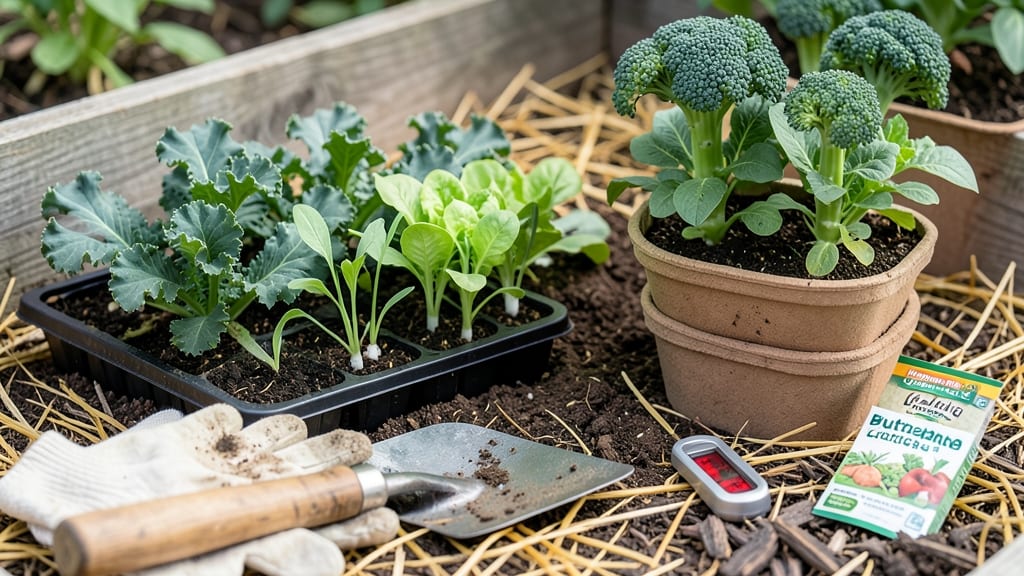
If you've ever watched your summer garden wilt under Texas's relentless heat and wondered when do you plant a fall garden in Texas, the answer is simpler than you think: late summer is your golden window for a thriving fall garden.
Texas gardeners know timing is everything, and planting too early means battling residual heat while too late risks frost-nipped crops. The key is a fast-growing, 8-week schedule that lets you harvest before the first freeze.
Whether you're in North, Central, or South Texas, these dates will help you avoid common mistakes and maximize your yield.
From leafy greens to root vegetables, we'll cover which crops to plant and when, so you can enjoy fresh harvests straight from your garden. Let's dive into the exact planting windows that work for your region and climate.
You'll discover how to prepare your soil, extend the growing season, and protect your plants from Texas's unpredictable weather. Ready to turn your garden into a fall harvest haven?
Texas fall planting calendar: exact dates by region for frost-resistant crops
Texas’s diverse climate means your fall planting window varies dramatically from the Panhandle to South Texas. In North Texas (USDA Zones 7b-8a), the first frost typically arrives between mid-November and early December, giving you an 8-10 week window for cool-season crops.
Meanwhile, South Texas (Zones 8b-9a) enjoys milder winters, with frost arriving as late as January or February, extending your growing season until late fall or early winter.
For maximum success, focus on fast-growing crops like lettuce, radishes, and spinach, which mature in 30-50 days—perfect for Texas’s short fall window. Broccoli, kale, and carrots (60-80 days to harvest) also thrive if planted early enough to avoid frost.
The key is to start seeds 6-8 weeks before your expected first frost date, with transplants going in 4-6 weeks out.
Here’s how to align your planting with Texas’s three distinct regions—plus a comparison table to visualize the best timing for your location.
If you’re in North Texas, prioritize heat-tolerant varieties like ‘Black Seeded Simpson’ lettuce or ‘Cherry Belle’ radishes, which handle 85°F soil better than standard types.
In South Texas, you can even plant winter greens in October—just cover them with frost cloth if temperatures dip below 30°F. For Central Texas, aim to have transplants ready by late August to avoid the dog days of summer.
Soil temperature is your true guide. Use a soil thermometer to confirm 60-70°F soil before planting seeds—any warmer, and germination slows dramatically. Direct-seed heat-sensitive crops like spinach or peas when soil cools to 55°F or below.
For transplants (e.g., broccoli or cabbage), wait until daytime highs drop below 85°F to reduce transplant shock.
Don’t overlook succession planting to stretch your harvest. For example, sow radishes every 2 weeks from late August through September—this ensures a continuous supply until frost. Pair fast crops (e.g., bush beans, 50 days to harvest) with slower ones (e.g., carrots, 70 days) to optimize space and time.
In South Texas, where frost is rare, you can push the envelope further. Try overwintering crops like garlic or onions in late fall for a spring harvest. Just mulch heavily with straw or leaves to insulate roots from freezing temperatures.
Even in colder zones, a 4-inch layer of mulch can delay frost damage by 2-3 weeks.
Remember: Texas’s fall garden isn’t just about dates—it’s about resilience. Erratic weather (e.g., sudden cold snaps in October or unseasonable heat in November) is par for the course.
Use row covers or low tunnels to protect young plants, and always have backup seeds ready for replanting if frost strikes early.
By aligning your planting with these regional windows and soil temperature cues, you’ll transform Texas’s fall into a bountiful harvest season—not a gamble. Start with one or two crops this year, then expand as you master the timing.
How to extend your Texas fall garden season with succession planting
Succession planting is your secret weapon for a bountiful Texas fall garden. Instead of planting everything at once, you stagger your crops every 2 weeks to keep harvests coming. This works especially well in Texas, where heat lingers longer in some regions and frost arrives unpredictably in others.
By choosing crops with varying maturity times, you can enjoy a continuous harvest. For example, plant radishes (25 days) alongside kale (60 days)—when the radishes are ready, the kale is just getting started. This method also reduces waste and maximizes your garden space.
Start with fast-growing crops like lettuce, spinach, and turnips, which mature in 30-40 days. Then follow up with slower growers like broccoli or Brussels sprouts. This ensures you’re always harvesting something fresh while protecting your garden from sudden temperature drops.
- 🌱 Start early: Begin planting late August for North Texas or early September in South Texas. Use shade cloth if temperatures exceed 85°F.
- 📅 Stagger plantings: Sow new seeds every 2 weeks for a continuous harvest. Mark your calendar to avoid gaps in your garden.
- 💧 Adjust watering: Texas fall weather can be dry and windy. Water deeply in the morning to prevent evaporation and fungal diseases.
Don’t forget to prepare your soil before planting. Texas soil can be clay-heavy or nutrient-poor, so mix in 2-3 inches of compost and a balanced fertilizer (10-10-10) to give your crops a strong start. Mulch with straw or leaves to retain moisture and regulate soil temperature.
Protect your young plants from unpredictable Texas weather with row covers or cold frames. In North Texas, a sudden 30°F drop can happen by November, while South Texas might see frost as late as December. Stay ahead by monitoring your local frost forecast and using protective measures when needed.
With succession planting, you’ll enjoy fresh leafy greens, root vegetables, and herbs straight from your garden well into winter. Plus, you’ll avoid the disappointment of a single harvest followed by empty rows. Happy planting!