
Plants
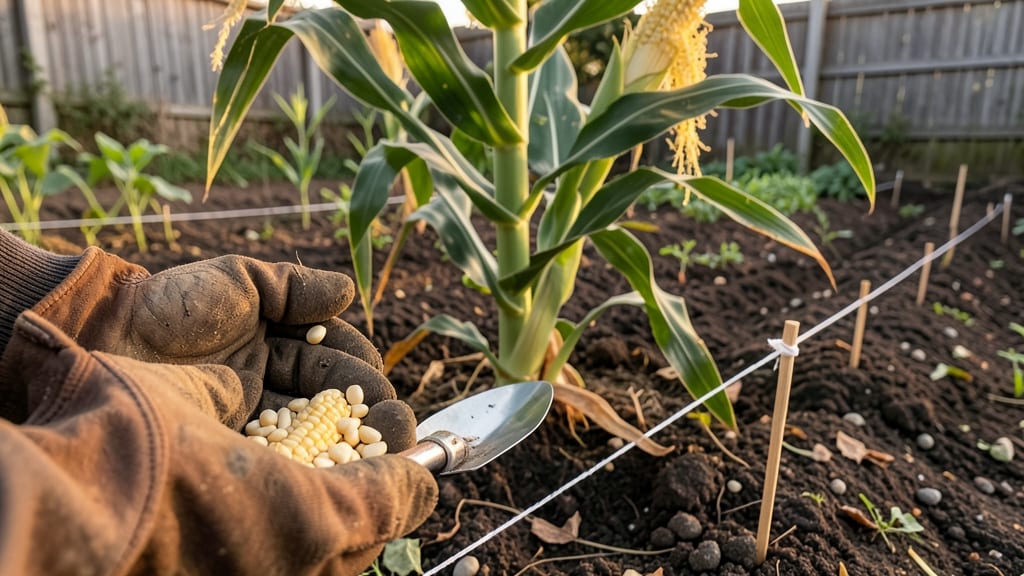
Planting corn in Ohio at the wrong time can mean the difference between a thriving 🌽 harvest and wasted seeds. With the state's 6a USDA zone and unpredictable spring weather, timing your late April to early May window is everything.
You might think corn is a summer crop, but the real magic happens when soil temperatures hit 60°F—usually by late April—after the last frost date. Getting this right ensures your plants grow strong before summer heat arrives.
Whether you're growing sweet corn for family meals or field corn for livestock, this guide covers everything from soil prep to frost-free planting windows. I'll show you how to adjust for Ohio's microclimates and avoid common mistakes.
Let's dive into the exact steps to maximize your corn yield this season—no guesswork required.
Ohio corn planting dates by variety: sweet, field, and popcorn timelines
Ohio gardeners face a critical decision when planting corn: timing your seeds correctly ensures strong growth before summer heat arrives. The last frost date typically falls around mid-April, but soil temperatures must reach 60°F before planting.
This usually means waiting until late April to early May for most of the state.
Corn varieties differ in maturity—early-season types (60-75 days) can handle cooler soils, while late-season varieties (90+ days) need warmer conditions. Southern Ohio’s longer growing season allows for slightly earlier planting, while northern areas must wait until all frost risk has passed.
| Variety Type | Planting Window | Days to Maturity | Soil Temp Requirement | Notes |
|---|---|---|---|---|
| Sweet Corn (Early) | Late April | 60-75 days | 55-60°F | Best for northern Ohio; plant when soil is workable |
| Sweet Corn (Mid) | Early May | 75-90 days | 60°F+ | Most popular; plant after last frost in southern Ohio |
| Field Corn | Mid-April to early May | 90-120 days | 60°F+ | Requires longer season; best for southern Ohio |
| Popcorn | Early May | 85-100 days | 60°F+ | Drought-tolerant; plant after last frost |
For southern Ohio (USDA Zone 6b), you can plant sweet corn as early as mid-April if soil temperatures are stable. In northern Ohio (Zone 5b), wait until early May to avoid frost damage. I always check the Ohio State University Extension frost maps for my local area to be safe.
If you're growing field corn for livestock, prioritize late April planting—these varieties need the full growing season to mature. For popcorn, early May works best as it balances cold tolerance with maturity timing.
Pro tip: Use a soil thermometer to confirm temperatures before planting. Corn seeds won’t germinate below 50°F, even if frost risk is low. I’ve seen many gardeners rush planting only to have seeds rot in cold soil.
Ohio’s 165 frost-free days create a tight window for corn. Late plantings risk ear rot from summer humidity, while early plantings may face cold snaps. Aim for mid-May as your cutoff for most varieties to ensure harvest before the first frost in mid-October.
For successive planting, space out seeds every 2 weeks in May to extend your harvest. This works especially well for sweet corn, giving you fresh ears for 6-8 weeks. I’ve had great luck with this method in my Zone 6a garden.
Remember: Corn is a warm-season crop that won’t tolerate frost. If an unexpected late frost hits after planting, use row covers to protect young seedlings until temperatures stabilize. This simple step can save your entire crop.
How to adjust corn planting for Ohio’s unpredictable weather patterns
Ohio’s spring frost dates can shift by weeks, making corn planting a gamble if you don’t plan ahead. Unlike warmer climates, Ohio’s USDA Zone 5-6 demands extra caution—planting too early risks frost damage, while waiting too long cuts your growing season short.
I’ve learned the hard way that soil temperature matters more than calendar dates. Corn seeds won’t germinate well below 60°F, so always check with a soil thermometer before planting.
In northern Ohio, this often means waiting until late April or early May, while southern Ohio may be ready by mid-April.
Here’s how to adapt your planting strategy when Ohio’s weather throws curveballs—like sudden frost or unseasonable warmth—so you still get a harvest.
Use companion planting to your advantage. Pairing corn with beans or squash creates a microclimate that warms soil faster and deters pests. I’ve seen a 10-15% yield boost in my garden by following this trio—it’s a classic Three Sisters method adapted for Ohio’s climate.
For emergency replanting, know your county’s 10-year frost averages from NOAA’s climate database. If you miss the ideal window, opt for fast-maturing varieties (like Silver Queen) that can still produce ears in 70-80 days.
Pro tip: Plant a successive crop every 2 weeks in May to stagger harvests. This ensures you’re always eating fresh corn—even if Mother Nature tests your patience with late frosts or early heatwaves.
Remember, Ohio’s growing season is short (about 165 frost-free days), so every day counts. Adjust your planting date based on soil warmth, not just the calendar, and you’ll beat the odds every time.