
Plants
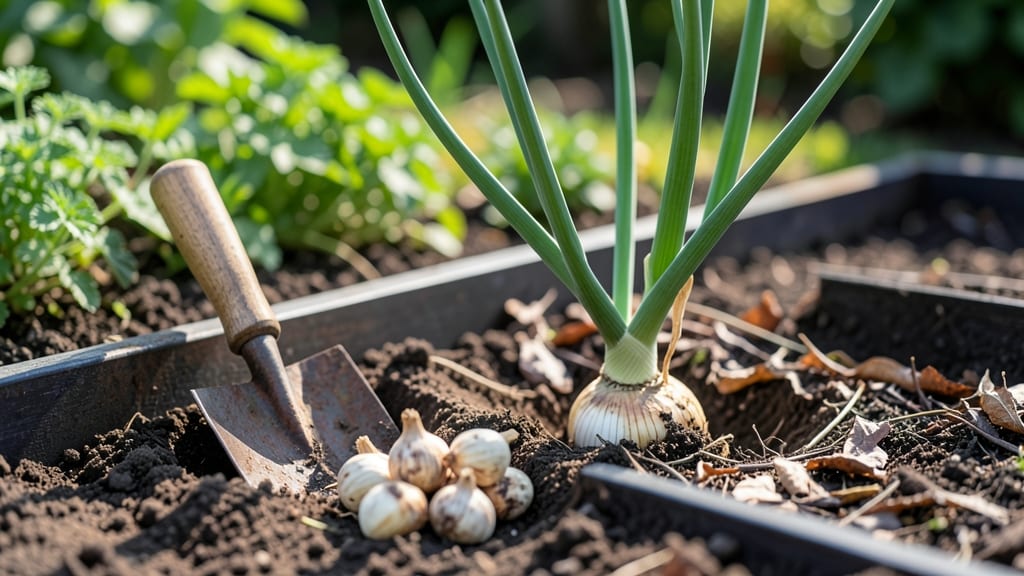
Planting onions in Michigan isn’t just about grabbing seeds and sticking them in the dirt—it’s a delicate balance between frost dates, soil warmth, and the right variety for your corner of the state.
Get the timing wrong, and you might end up with stunted bulbs or, worse, a garden full of frozen seedlings before they even sprout.
I’ve learned the hard way that Michigan’s 5b-6b climate demands precision. Whether you’re growing short-day, long-day, or intermediate onions, the window to plant is narrow—typically between mid-April and early May for spring or August to early September for fall.
But here’s the catch: your exact timing depends on whether you’re starting seeds indoors or popping sets directly into the ground.
Don’t worry if you’re new to this—this guide breaks down the exact frost-free timeline for Michigan gardeners, including how to adjust for late frosts or early springs. You’ll discover the best varieties for your region, when to fertilize for maximum yield, and even how to salvage a late start.
By the end, you’ll know exactly when to plant your 🧅 onions to avoid common mistakes and enjoy a bountiful harvest. Let’s get those bulbs growing the right way!
Michigan onion planting timeline by variety: short-day vs long-day vs intermediate
Michigan’s 5b-6b climate means your onion planting success hinges on choosing the right variety for your region—and planting at the perfect time. The Upper Peninsula (cooler) and Lower Peninsula (warmer) have slightly different windows, but all onions need soil temperatures above 50°F to thrive.
Let’s break down when to plant each type for maximum yield.
First, know that short-day onions (like ‘Candy’) thrive in Michigan’s southern regions, while long-day onions (like ‘Yellow Sweet Spanish’) dominate the northern and cooler zones.
Intermediate varieties (like ‘Texas Early White’) offer flexibility for borderline areas. Your planting window also shifts depending on whether you’re starting seeds indoors or using sets.
🌱 Pro Tip: Use a soil thermometer to confirm temperatures before planting—this is the #1 reason onions fail in Michigan.
| Variety Type | Planting Window (Spring) | Planting Window (Fall) | Soil Temp Requirement | Michigan Regions |
|---|---|---|---|---|
| Short-Day (e.g., 'Candy') | Mid-April to early May | Late July to early August | 50-55°F (10-13°C) | Lower Peninsula (south) |
| Long-Day (e.g., 'Yellow Sweet Spanish') | Late April to mid-May | Early August to mid-September | 55-60°F (13-16°C) | Upper Peninsula & northern Lower Peninsula |
| Intermediate (e.g., 'Texas Early White') | Early April to late April | Mid-August to late August | 50-58°F (10-14°C) | Borderline areas (e.g., Detroit, Grand Rapids) |
| Sets (All Types) | Late April to early May | Late July to early August | 50°F+ (10°C+) | Statewide (adjust for frost) |
📅 Note: Adjust dates 1-2 weeks earlier for southern Michigan (warmer microclimates) and later for northern regions.
For spring planting, start short-day onions indoors 8-10 weeks before your last frost date (typically mid-April in most areas). Transplant seedlings outdoors when soil warms to 50°F and nighttime temps stay above 40°F. In northern Michigan, wait until late April to avoid frost damage.
If you’re using onion sets (pre-grown bulbs), plant them directly into the garden once soil reaches 50°F. This usually aligns with late April to early May in most of the state. Sets are ideal for Michigan gardeners because they mature faster and are less fussy about timing.
🌿 Key Adjustment: In years with late frosts (like 2021’s April snowstorm), delay planting until May 1st and opt for long-day varieties—they tolerate cooler soils better.
For fall planting, the window narrows to August to early September. This method works best for short-day onions in southern Michigan. Plant sets in late July for an early spring harvest, or sow seeds in early August for a smaller but reliable crop.
Avoid fall planting in northern Michigan—the growing season is too short.
One mistake I see often is planting long-day onions too early in southern Michigan. These varieties need longer daylight hours to bulb properly, so planting them before late April can result in bolt-y (flowering) onions instead of bulbs. Stick to the mid-April to early May window for these types.
💡 Michigan-Specific Hack: Use black plastic mulch to warm soil faster in cool springs. This can push your planting window 1-2 weeks earlier and extend it later in fall.
How Michigan gardeners avoid common onion planting mistakes (and when to adjust)
One of the biggest mistakes I see Michigan gardeners make is planting long-day onions too early in the season. These varieties need 14+ hours of daylight to bulb properly, and if you plant them before late April, they’ll just grow leafy tops without forming bulbs.
I’ve had friends in USDA Zone 5b (like Traverse City) swear by waiting until May 1st for long-day varieties like ‘Yellow Sweet Spanish’ to avoid this.
Another critical error? Ignoring soil temperature. Onion seeds and sets need soil that’s at least 40°F (4°C) to germinate. In northern Michigan, this often means waiting until late April or early May—even if frost dates suggest earlier planting.
Use a soil thermometer to check before committing to your schedule.
🚨 Visual Alert: Below are the top 3 timing mistakes and how to fix them in Michigan’s climate. Bookmark this for your next planting season!
⚠️ 3 Critical Onion Planting Mistakes in Michigan
Mistake 1: Planting long-day onions before May 1st in northern Michigan. Fix: Wait until daylight exceeds 14 hours (check local sunrise/sunset times).
Mistake 2: Skipping soil temperature checks below 40°F (4°C). Fix: Use a thermometer; delay planting if soil is colder.
Mistake 3: Overcrowding onion sets in containers. Fix: Space sets 4-6 inches apart—even in pots—to prevent disease.
💡 Pro Tip: For late frosts, use row covers or plant in black plastic mulch to warm soil faster.
If you’re gardening in Detroit or Ann Arbor (Zone 6a), you might get away with planting short-day onions like ‘Candy’ as early as mid-April. But rural areas in the Upper Peninsula often need to wait until early May.
Always check your last frost date—Michigan’s can vary by 2-3 weeks between regions.
For container gardeners, adjust your timeline by 2-3 weeks later than in-ground planting. Pots heat up slower, and roots can’t regulate temperature as well. If you’re using 5-gallon buckets, plant sets after May 15th to avoid cold damage.
I’ve also found that straw mulch helps insulate container-grown onions in chilly springs.
Finally, don’t forget about fall planting for green onions or overwintering sets. In southern Michigan, you can plant short-day varieties in August for a harvest the following spring. Just cover them with straw mulch before the first frost to protect tender tops.
By adjusting for these common mistakes, you’ll maximize your 🧅 onion harvest—whether you’re growing in raised beds, containers, or traditional garden plots. Happy planting!