
Plants
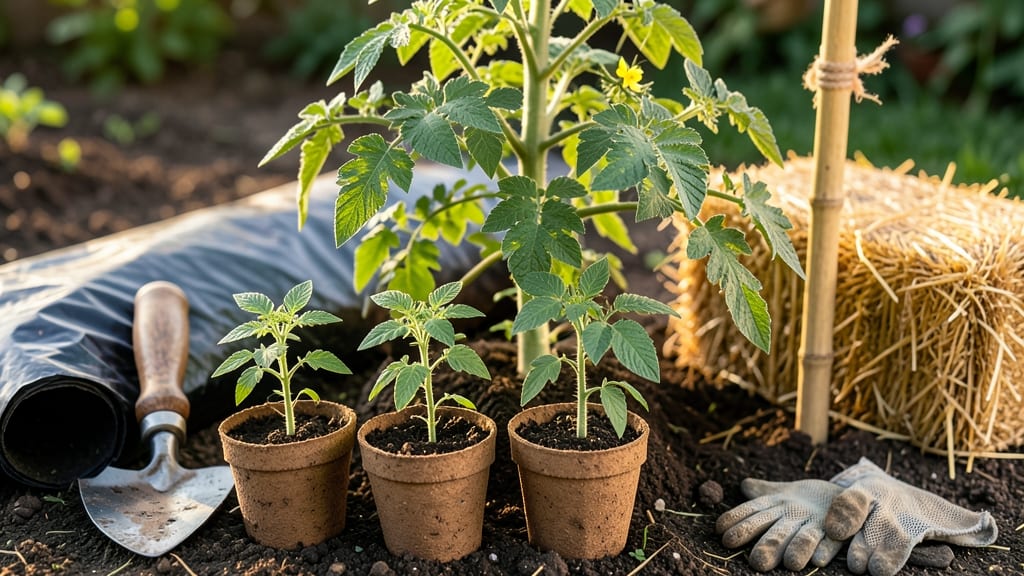
Planting tomatoes in Virginia isn’t just about grabbing seeds and sticking them in the dirt—it’s about outsmarting the region’s wild swings from frost to scorching heat.
The perfect window for planting 🍅 depends on whether you’re in the cooler highlands or the milder coastal plains, and getting it wrong can mean lost harvests or stunted plants.
I’ve learned the hard way that Virginia’s 7a-8a zones demand precision: too early, and a late frost will wipe out your seedlings; too late, and summer’s heat will turn your tomatoes into sad, sunburned orbs.
The key is knowing when soil warms to 60°F and nighttime temps stay above 50°F, signals that tell you it’s finally safe to plant.
Whether you’re starting seeds indoors or prepping for direct sowing, timing matters just as much as soil prep and variety choice. I’ll break down the exact dates for your corner of Virginia—plus pro tips to extend your harvest season—so you can go from seed to salad with confidence.
Ready to grow tomatoes that thrive all summer long? Let’s dive into the heat-zone-specific planting schedule that’ll have your garden bursting with flavor by June.
Virginia’s heat zones explained: when to plant tomatoes based on last frost dates
Virginia’s diverse climate—from the cooler highlands of the Blue Ridge Mountains to the warmer coastal plains—means tomato planting times vary dramatically. The state spans USDA Hardiness Zones 5a to 8a, and your last frost date is the single most critical factor for success.
Planting too early in Zone 5a risks frost damage, while waiting too long in Zone 7b can delay your harvest until summer’s peak heat. Let’s break down the exact windows for each zone, so you can align your planting with Virginia’s unpredictable spring transitions.
First, check your local last frost date—this is the average date when temperatures drop below 32°F (0°C) in spring.
The Virginia State Climate Office tracks these dates, but as a general rule, Zone 5a (e.g., Roanoke) typically sees its last frost around April 15, while Zone 8a (e.g., Norfolk) averages March 15.
Coastal areas like Virginia Beach may even see frost-free conditions by February 28, but don’t rush—soil temperature matters more than air temperature.
Here’s the golden rule: Tomatoes thrive when soil temperatures hit 60°F (15°C) and nighttime lows stay above 50°F (10°C). Air temperatures can fluctuate, but soil warmth is non-negotiable for germination and seedling survival.
Use a soil thermometer to confirm—this tool is a game-changer for Virginia gardeners dealing with spring’s rollercoaster weather. If your soil isn’t warm enough, consider black plastic mulch to accelerate heating by 5–10°F.
Now, let’s dive into the zone-by-zone planting calendar below. This table outlines your ideal transplant window, seed-starting dates (if you’re growing from seed), and heat-zone-specific adjustments for early vs. late varieties.
For example, gardeners in Zone 5a should prioritize cold-hardy varieties like ‘Stupice’ or ‘Mountain Merit’, while those in Zone 7b can experiment with heat-tolerant types such as ‘Solar Fire’ or ‘Heatmaster’.
| USDA Zone | Last Frost Date | Transplant Window | Seed Start Indoors | Notes |
|---|---|---|---|---|
| 5a (e.g., Roanoke) | April 15 | May 1–15 | March 1–15 | Use cold-hardy varieties; consider row covers for early starts. |
| 6a (e.g., Lynchburg) | April 1 | April 20–May 10 | February 20–March 10 | Soil may still be cold; use black plastic mulch to warm it. |
| 7a (e.g., Charlottesville) | March 15 | April 1–15 | February 1–15 | Ideal for early varieties; watch for late frosts. |
| 7b (e.g., Richmond) | March 1 | March 20–April 10 | January 15–February 10 | Longer season; try succession planting for extended harvests. |
| 8a (e.g., Norfolk) | February 28 | March 1–15 | January 1–15 (optional) | Warm climate; focus on heat-tolerant varieties like ‘Solar Fire’. |
Pro tip: If you’re in Zone 5a or 6a, consider starting seeds indoors 6–8 weeks before your last frost date. This gives seedlings a head start and ensures they’re robust enough to handle Virginia’s late-spring cold snaps, which can linger into May.
For example, if your last frost is April 15, begin seeds around February 15. Use grow lights to supplement natural light—Virginia’s short winter days won’t cut it for healthy seedlings.
For gardeners in Zones 7b and 8a, you’ve got more flexibility. You can direct-sow seeds as early as March 1 (Zone 8a) or April 1 (Zone 7b), but always monitor soil temperature.
If it’s below 60°F, wait—cold soil delays germination and invites damping-off disease. A seedling heat mat can help jumpstart growth in cooler zones, but it’s often unnecessary in Virginia’s warmer regions.
One common mistake? Assuming all of Virginia follows the same timeline. Coastal areas (like Hampton Roads) warm up faster than inland valleys, while the Piedmont region often experiences delayed spring warming.
Check local microclimates: A spot near a large body of water (e.g., Lake Anna) may stay cooler longer, while a south-facing slope in Zone 6a could be ready for planting 2 weeks earlier than the average date.
Use a neighbor’s garden or a local farming report as a reference point.
Finally, remember that tomatoes are heat lovers—they perform best when temperatures stay between 70–85°F (21–29°C). If you plant too early in Zone 8a, your harvest might arrive during July’s scorching heat, leading to blossom drop or sun-scald.
Balance early planting with shade cloth or succession planting to stagger your harvest across the summer months. This way, you’ll enjoy ripe tomatoes from June through October, regardless of your
How to time your tomato planting for maximum yield: soil temps, seedling Age, and heat tolerance
Timing your tomato planting isn’t just about dates—it’s about soil temperature, seedling readiness, and matching varieties to Virginia’s unpredictable spring. I’ve learned that even the hardiest seedlings can fail if planted too soon, while waiting too long risks summer’s heat stress.
The ideal window starts when soil hits 60°F (15°C) and stays there, signaling it’s safe for seeds or seedlings.
For most of Virginia (Zones 7a-8a), this means waiting until mid-April to early May, but coastal areas like Norfolk can start earlier. In cooler highland zones like Roanoke (Zone 7a), you might need to wait until late April or even early May.
Always check your local last frost date—I use the Almanac’s frost calculator to avoid surprises.
🌱
- Soil Temp Check: Use a soil thermometer to confirm 60°F+ at 4" depth. Cold soil delays germination.
- Seedling Age: Transplant 4-6 week old seedlings (4-6" tall) for faster establishment.
- Hardening Off: Acclimate seedlings to outdoors over 7-10 days before planting.
- Variety Choice: Pick heat-tolerant varieties like ‘Celebrity’ or ‘Solar Fire’ for Virginia’s summers.
- Mulch Matters: Use black plastic mulch to warm soil 5-10°F faster in cooler zones.
- Succession Plant: Sow new seeds every 2 weeks in May-June for continuous harvests.
One of my biggest mistakes? Planting too early in Zone 7a and losing seedlings to late frosts. Now, I always wait until the probability of frost drops below 10%—usually May 1 for inland areas and April 15 for coastal regions.
For extra protection, I use row covers or cloches for the first 2 weeks after transplanting, especially in Zone 5a areas like the Shenandoah Valley.
Virginia’s spring temperature swings can be brutal on young plants. If nights dip below 50°F (10°C), even hardened-off seedlings can suffer. I’ve found that staking or caging plants early gives them stability during windy spring storms, while mulching with straw keeps roots warm.
For container growers, use self-watering pots to prevent soil temp fluctuations.
Extending your harvest season is easier than you think. After your main planting in May, sow quick-maturing varieties like ‘Early Girl’ every 2 weeks until July. This succession planting trick ensures tomatoes from June through October.
Just be sure to water deeply after each planting to help roots establish before summer’s heat kicks in.
Remember, tomatoes thrive on consistency—whether it’s soil warmth, watering schedules, or sun exposure. By mastering these timing tips, you’ll avoid the heartbreak of lost plants and enjoy a bountiful, flavorful harvest all season long. Happy planting! 🌿