
Plants
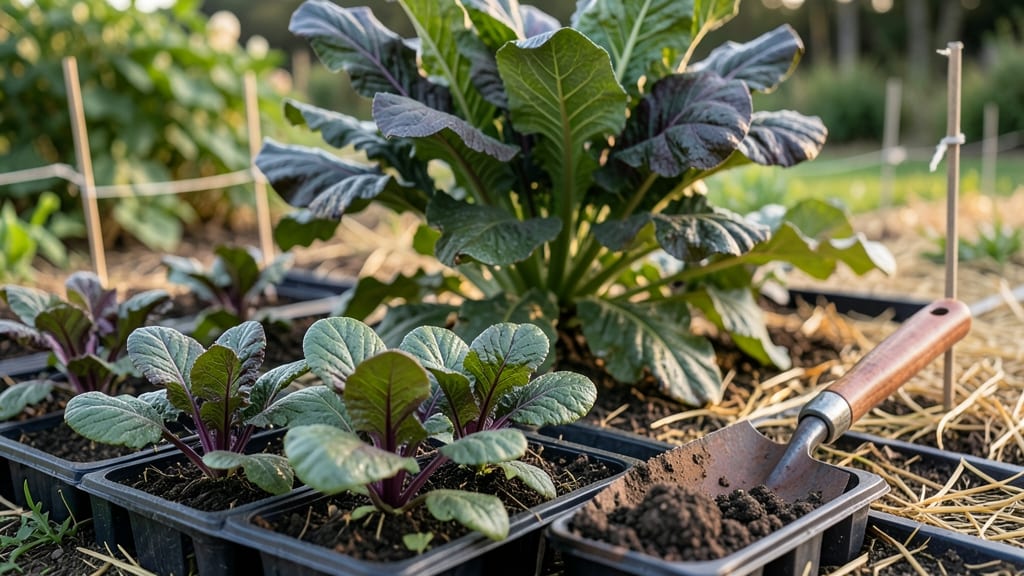
If you’ve ever wondered when do you plant turnip greens in Tennessee to avoid bitter disappointment, timing is the key factor you might be missing.
Planting these cold-hardy greens 🌱 at the wrong time can turn your garden dreams into frustration, but getting the window right means a steady harvest from early spring through late fall.
Tennessee's diverse climate—from the cooler Appalachian highlands to the warmer western plains—means your planting schedule should shift depending on your region.
Whether you're in East Tennessee's Zone 6 or West Tennessee's Zone 7b, knowing when to sow seeds after the last frost (typically mid-March to early April) and how to extend your season into fall can make all the difference.
What if I told you that with just a few adjustments, you could enjoy turnip greens well into winter? The secret lies in understanding your local frost dates, soil temperatures, and how to use row covers or cold frames to protect your plants.
Let me walk you through the exact planting calendar and strategies that work for Tennessee gardeners.
From avoiding common mistakes like planting too early (risking frost damage) to maximizing your harvest with succession planting, you'll learn everything you need to grow turnip greens like a pro. Let’s get started on your path to a thriving garden!
Tennessee turnip greens planting calendar by region: best months for success
Tennessee’s diverse climate—from the mountainous East to the flatter West—means turnip greens thrive in different planting windows each year. The key is aligning your schedule with last frost dates and soil temperature, which vary by region.
In East Tennessee, cooler springs delay planting, while West Tennessee often enjoys earlier starts. Let’s break down the ideal planting months for each zone to maximize your harvest.
For East Tennessee (USDA Zones 6-7), aim to plant turnip greens between mid-March and early April. Soil temperatures should reach at least 45°F—cold soil slows germination.
If you’re eager for an earlier harvest, use row covers to protect seedlings from late frosts. Middle Tennessee (Zones 7-8) gardeners can start as early as late February, with March to April being the sweet spot for consistent growth.
West Tennessee (Zones 7b-8a) offers the warmest microclimates, allowing turnip greens to be sown as early as February. However, avoid planting too soon—soil below 50°F can lead to bolting or bitter leaves. Always check your local frost-free date (typically mid-April in most areas) to time your last spring planting for a 60-75 day harvest before summer heat sets in.
| Region | USDA Zone | Best Planting Window | Soil Temp Requirement | Last Frost Date |
|---|---|---|---|---|
| East Tennessee | 6-7 | Mid-March to Early April | ≥45°F | Mid-April |
| Middle Tennessee | 7-8 | Late February to March | ≥50°F | Late March |
| West Tennessee | 7b-8a | February to Early March | ≥50°F | Early April |
Note: Adjust for microclimates—valleys stay cooler, slopes warm faster.
Succession planting is the secret to a continuous harvest of turnip greens. In Tennessee, sow new seeds every 2-3 weeks from March through June. This ensures you’re always harvesting fresh greens before the summer heat (above 85°F) causes bolting.
For example, if you plant your first batch in March, follow up with batches in mid-April, late April, and early May to stagger your harvest.
Don’t overlook fall planting—it’s a game-changer for turnip greens in Tennessee. Start seeds in late summer (August) for a fall harvest before the first frost. In West Tennessee, you might even get a light harvest in winter if you use row covers to protect plants.
Aim for a 60-day variety like ‘Seven Top’ to ensure greens mature before cold sets in.
When selecting turnip green varieties, prioritize cold-hardy types like ‘Southern Giant Curled’ or ‘Collard Green’. These varieties tolerate light frosts and perform well in Tennessee’s short growing seasons. Avoid heat-sensitive varieties like ‘Tokyo Cross’ unless you’re planting in spring or fall when temperatures are mild.
Always check seed packets for days to maturity to align with your region’s frost dates.
Pro tip: Use a soil thermometer to confirm soil temperatures before planting. Turnip greens germinate best in soil between 50°F and 75°F. If your soil is too cold, wait a few days or use black plastic mulch to warm it faster.
Overwatering cold soil can also delay germination, so keep it moist but not soggy until seeds sprout.
For gardeners in higher elevations (East Tennessee), extend your season with cold frames or low tunnels. These structures add 10-15°F of protection, allowing you to harvest turnip greens well into November or even December in mild years. Just ensure good airflow to prevent fungal diseases like downy mildew.
Finally, mark your planting dates on a garden calendar and track your harvest progress. Tennessee’s variable weather means plans can change—always have a backup date ready for late frosts or unexpected heatwaves.
With the right timing, you’ll enjoy homegrown turnip greens from spring through fall, packed with flavor and nutrients.
How to extend your turnip greens season in Tennessee: fall & winter planting tips
Tennessee’s mild winters and warm falls create perfect conditions for extending your turnip greens harvest beyond the traditional spring season. By planting in late summer or early fall, you can enjoy fresh greens well into winter—even under light frost—using simple techniques like row covers and cold frames.
The key is timing: start seeds 8-10 weeks before your first frost (typically late July to early August in most regions).
For the best results, choose cold-hardy varieties like ‘Purple Top White Globe’ or ‘Tokyo Cross’, which tolerate light freezes better than others. These varieties also produce tender greens even in cooler temperatures, making them ideal for fall planting.
Just be sure to harden off seedlings before transplanting to prevent shock from temperature swings.
To protect your plants from unexpected cold snaps, use floating row covers or low tunnels to create a microclimate. These simple structures can raise soil temperatures by 5-10°F, allowing turnip greens to thrive even when nighttime temps dip into the 20s°F.
In West Tennessee’s warmer Zone 7b, you might even harvest through December!
Don’t forget about succession planting—sow new seeds every 2-3 weeks in late summer to ensure a steady supply of greens. This method works especially well in Middle Tennessee’s Zone 7a, where you can stagger plantings through September for harvests into November. Just
For gardeners in East Tennessee’s cooler Zone 6, consider using cold frames or hoop houses to extend the season even further. These structures can trap heat during the day and release it slowly at night, keeping soil temperatures ideal for growth. With the right protection, you might even harvest turnip greens in January or February—just be prepared to harvest leaves before the roots mature in freezing conditions.
Finally, always monitor your local frost forecasts and adjust your planting schedule accordingly. While turnip greens are cold-tolerant, they’ll bolt (go to seed) if exposed to prolonged freezing temperatures.
By staying proactive with protective measures and variety selection, you can enjoy homegrown turnip greens for nearly half the year—far longer than the typical spring harvest!