
Vegetables
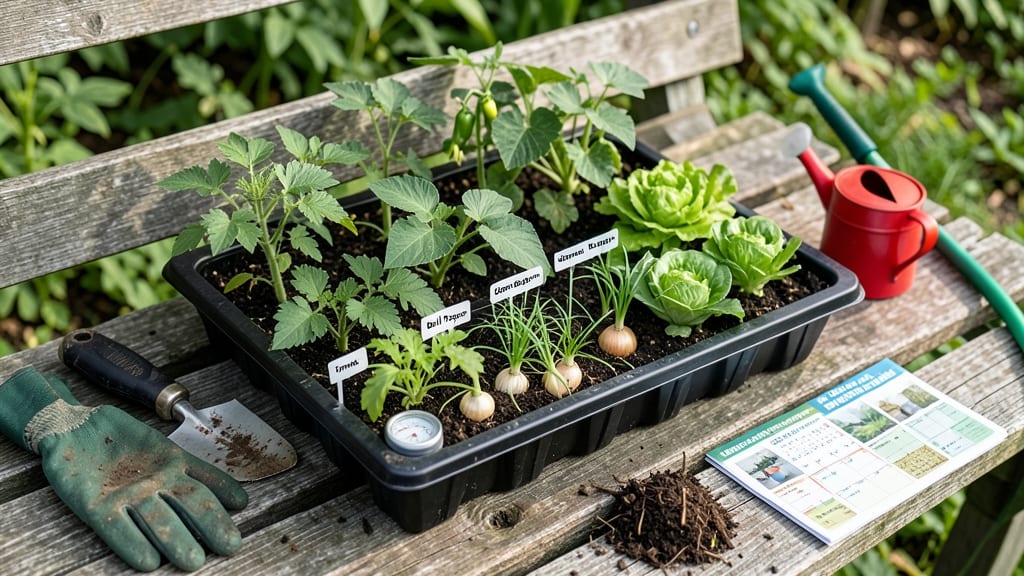
Timing your vegetable planting in Oklahoma isn't just about following a calendar—it's about beating the unpredictable weather that can turn a thriving garden into a failed experiment if you're off by even a few weeks.
With Oklahoma's USDA zones 6b-8a and 180-240 frost-free days, you've got two prime windows: mid-March to early June for cool-season crops like lettuce and peas, and late July to mid-September for warm-season favorites such as tomatoes and squash.
But here's the catch: your exact timing depends on whether you're in the cooler panhandle or the hotter southern regions.
I've spent years perfecting my Oklahoma garden schedule, and what I'm about to share will help you avoid the most common mistakes—like planting heat-lovers too early or cool-season crops too late. Let's dive into the exact planting times that work for your specific zone and crop.
From soil prep tips to adjusting for late frosts, you'll learn how to maximize your harvest—whether you're growing crisp spring greens or hearty fall pumpkins. Ready to turn your garden dreams into reality?
Oklahoma planting zones: when to start vegetables by climate region
Oklahoma spans USDA Hardiness Zones 6b to 8a, meaning planting times vary dramatically from the cooler Panhandle to the warmer southeastern regions. The last spring frost typically arrives between March 15 and April 15, while the first fall frost hits October 15 to November 15.
These dates dictate when to plant cool-season crops (like lettuce and peas) versus warm-season crops (like tomatoes and peppers).
In Zone 6b (Panhandle), gardeners can start cool-season crops indoors in February and transplant outdoors after the last frost. Meanwhile, Zone 8a (southeastern Oklahoma) allows for year-round planting of heat-tolerant varieties like sweet potatoes and okra. Understanding your zone helps avoid frost damage or heat stress in delicate plants.
Below is a summary table breaking down planting windows by zone, including key dates for starting seeds indoors, transplanting outdoors, and harvesting. Use this as your guide to align planting with Oklahoma’s climate nuances.
Oklahoma Planting Zones: Key Dates by USDA Zone
| Zone | Last Frost | Cool-Season Start (Indoors) | Warm-Season Plant (Outdoors) | First Frost |
|---|---|---|---|---|
| 6b (Panhandle) | March 15–April 1 | February (indoors) | April 15–May 1 | October 30–November 10 |
| 7a (Northern OK) | March 22–April 5 | March (indoors) | April 15–May 10 | October 15–November 5 |
| 7b (Central OK) | March 29–April 10 | Late February (indoors) | April 20–May 15 | October 20–November 10 |
| 8a (Southeast OK) | April 1–April 15 | March (indoors) | May 1–May 15 | November 1–November 15 |
🌱 Pro Tip: Use a frost-free date calculator for your exact location—Oklahoma’s microclimates can shift planting windows by 2–3 weeks.
For cool-season crops like broccoli, cabbage, and spinach, start seeds 4–6 weeks before your last frost date. In Zone 6b, this means sowing indoors in mid-February, while Zone 8a gardeners can direct-sow as early as late February under row covers.
These crops thrive in 50–70°F soil, so wait until soil temps stabilize before transplanting.
Warm-season crops such as tomatoes, peppers, and cucumbers need soil temps above 60°F to germinate. Plant these 2–3 weeks after your last frost date, which in Zone 7b could be as early as April 20 or as late as May 15 in cooler microclimates. Use a soil thermometer to confirm readiness—warm-season plants wilt quickly if transplanted too soon.
Oklahoma’s summer heat (often exceeding 95°F) can stress even heat-tolerant crops like okra and sweet potatoes. To extend the season, plant fall crops like kale and carrots in late July—they’ll mature before the first frost.
In Zone 8a, some gardeners even grow winter greens like arugula year-round with row covers.
If you’re in a transition zone (e.g., near lakes or hills), expect earlier frosts or later warm-ups. Monitor local weather forecasts and adjust planting by 1–2 weeks if needed.
For example, Tulsa (Zone 7b) might see frost in mid-October, while Lawton (Zone 7a) could face frost by early November
Best vegetables to plant by season in Oklahoma (with exact months)
Oklahoma’s two distinct growing seasons—spring and fall—offer perfect conditions for a year-round vegetable harvest. The key is matching your crops to the right planting window, whether you're sowing frost-tolerant greens in early spring or heat-loving tomatoes in summer.
For cool-season crops like lettuce, spinach, and peas, aim to plant 4–6 weeks before your last frost date. In most of Oklahoma, this means mid-March to early April for northern zones (6a-6b) and late February to mid-March in southern regions (7a-8a).
These crops thrive in 50–75°F soil temps and can handle light frosts.
Warm-season vegetables, including tomatoes, peppers, and squash, need consistent 60°F+ soil temperatures. Wait until 2–3 weeks after your last frost date, typically mid-April to early May in northern Oklahoma and late March to early April in southern areas. These plants won’t tolerate frost, so timing is critical.
Mid-March – Early April (Northern OK)
Late February – Mid-March (Southern OK)
Mid-April – Early May (Northern OK)
Late March – Early April (Southern OK)
Late July – Mid-August (Northern OK)
Early July – Early August (Southern OK)
Sow lettuce, radishes, and beans every 2 weeks from spring to fall for continuous harvests.
Don’t overlook fall planting, which can be just as productive as spring. For a second crop of cool-season veggies, start seeds late July to mid-August in northern Oklahoma or early July to early August in southern regions.
This gives plants time to mature before the first frost in mid-October. Try kale, broccoli, and carrots—they’ll thrive in cooler fall weather.
For heat-resistant varieties, like okra, sweet potatoes, and southern peas, extend your summer harvest by planting in late June. These crops handle Oklahoma’s 90°F+ summers better than traditional varieties, giving you edibles when other gardens struggle. Just keep them well-watered during droughts.
Pro tip: Use shade cloth in late summer to protect heat-sensitive crops like basil and cucumbers from intense afternoon sun. This simple trick can extend your harvest by 2–4 weeks in Oklahoma’s brutal summer heat. 🌱