
Plants
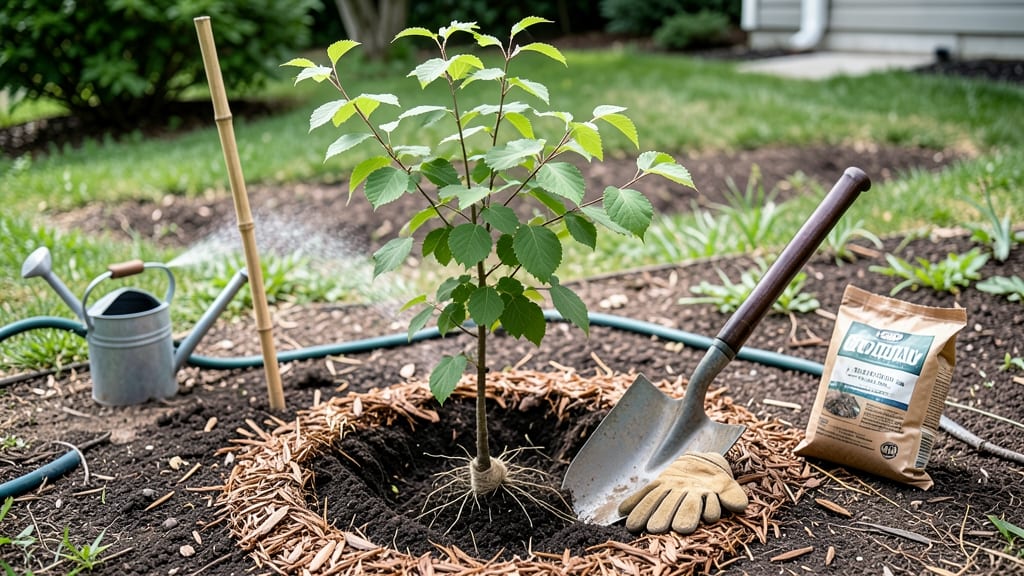
Timing your 🌳 planting in Colorado isn't just about grabbing a shovel—it's about catching that narrow frost-free window when your tree stands the best chance of thriving for decades.
With Colorado's diverse elevations creating microclimates, what works in Denver might fail at 10,000 feet in the mountains. The key is understanding your specific zone's last frost dates and adjusting planting accordingly.
I'll walk you through the optimal months for both spring and fall planting, plus how to prepare your soil and choose tree species that match your elevation's unique challenges.
Whether you're planting a shade tree for your yard or restoring a forest edge, getting this timing right makes all the difference between a struggling sapling and a sturdy, long-lived 🌳.
Colorado’s frost-free planting windows by elevation zone
Colorado’s diverse elevation zones—from the Front Range to the High Plains—create wildly different planting windows. At 5,000 feet, Denver’s last frost typically arrives by April 15, while mountain regions (7,000+ feet) may not thaw until May 15 or later.
Timing is everything: Plant too early, and your tree faces frost damage; too late, and roots struggle to establish before winter.
For low-elevation areas (Front Range), the ideal window is late March to early April (spring) or September to mid-October (fall). Higher elevations shift this by 2-4 weeks later.
Microclimates—like urban heat islands or windy ridges—can also push windows by 10+ days. Always check your USDA Zone (5-7) and local frost data.
Here’s how Colorado’s three main regions break down for optimal tree planting, including elevation-specific adjustments:
| Region | Elevation Range | Best Planting Months | Last Frost Date | Key Considerations |
|---|---|---|---|---|
| Front Range | 4,000–7,000 ft | Spring: Late March–April Fall: September–mid-October |
April 1–15 | Urban heat islands delay frost; wind exposure in open areas. |
| Mountains | 7,000–10,000 ft | Spring: April–May Fall: August–September |
May 1–15 | Shorter growing season; prioritize cold-hardy species. |
| High Plains | 3,500–5,000 ft | Spring: Mid-April–May Fall: September–October |
April 15–May 1 | Drought-prone; mulch heavily to retain moisture. |
In the Front Range, I’ve seen Colorado Blue Spruce thrive when planted in late September—roots establish before winter, and the tree avoids summer drought stress. For mountain regions, wait until after May 15 to plant; early frosts in June can still nip young growth.
The High Plains demand extra caution: Plant in spring to outpace dry winds.
Pro tip: Use the Colorado State University Extension’s frost calendar (available online) to pinpoint your exact last frost date. For example, Fort Collins averages April 5, while Grand Junction can be April 20. These differences matter—especially for tender species like Japanese Maple.
Elevation also affects soil temperature. At 8,000 feet, soil may stay below 50°F until June, delaying root growth. Amend clay-heavy mountain soils with compost to improve warmth retention.
In drier areas, like the San Luis Valley, prioritize deep watering after planting to combat evaporative stress.
If you’re planting in urban Denver, watch for heat islands—concrete absorbs heat, pushing last frosts 1-2 weeks later than rural areas. Conversely, wind-exposed sites (e.g., Rocky Mountain foothills) may need windbreaks or sheltered microclimates to protect young trees.
For bare-root trees, plant as soon as soil is workable—typically 2-4 weeks before last frost. Container-grown trees offer more flexibility but still benefit from fall planting to avoid summer transplant shock. Always water deeply after planting to encourage root spread into mo
Colorado’s frost-free planting windows by elevation zone
Colorado’s dramatic elevation changes—from 3,500 feet in the Front Range to over 10,000 feet in the mountains—create wildly different frost-free windows for planting. At lower elevations like Denver, you’ve got a 120-140 day growing season, while high-altitude areas shrink that to just 60-80 days.
This means what’s perfect for a Colorado Blue Spruce in Fort Collins could fail at 9,000 feet in Summit County.
I’ve broken down the best planting windows by region, including how to adjust for urban heat islands (which can delay frost) and wind exposure (common in mountain areas). The key is planting 4-6 weeks before your first expected frost—giving roots time to establish before winter sets in.
For most Coloradoans, that means late September to early October for fall planting, or mid-April to early May in spring.
Here’s how your elevation zone affects timing—and what to watch for in each:
| Elevation Zone | Best Planting Window | Last Frost Date | Key Considerations |
|---|---|---|---|
| Front Range (3,500–7,000 ft) | Late Sept–early Oct (fall) or mid-April–May (spring) | April 15–May 1 (varies by year) | Urban heat islands delay frost; watch for late-spring freezes. |
| Mountains (7,000–10,000 ft) | Early Sept–mid-Oct (fall) or late May–June (spring) | May 15–June 1 | Wind exposure increases drought risk; plant windbreaks if needed. |
| High Plains (4,000–6,000 ft) | Mid-Sept–early Oct (fall) or late April–May (spring) | April 20–May 5 | Drought-prone; prioritize deep watering after planting. |
Pro tip: Use the USDA Plant Hardiness Zone Map (Zone 5-7 in Colorado) as a starting point, but always check local microclimates. For example, Denver’s City Park can be 5°F warmer than nearby neighborhoods due to urban heat. Adjust your planting window 1-2 weeks earlier in cooler microclimates.
If you’re planting in high-altitude areas above 9,000 feet, stick to fall planting—spring’s short window leaves little room for error. And always water deeply after planting, especially in Colorado’s dry soils. A 3-inch layer of mulch helps retain moisture and regulate soil temperature.
For real-time frost data, bookmark the Colorado Climate Center’s frost prediction tool—it’s a game-changer for avoiding late-season surprises. With the right timing, your tree will establish strong roots before winter, giving it a 10-year head start on growth.