
Companion Plants
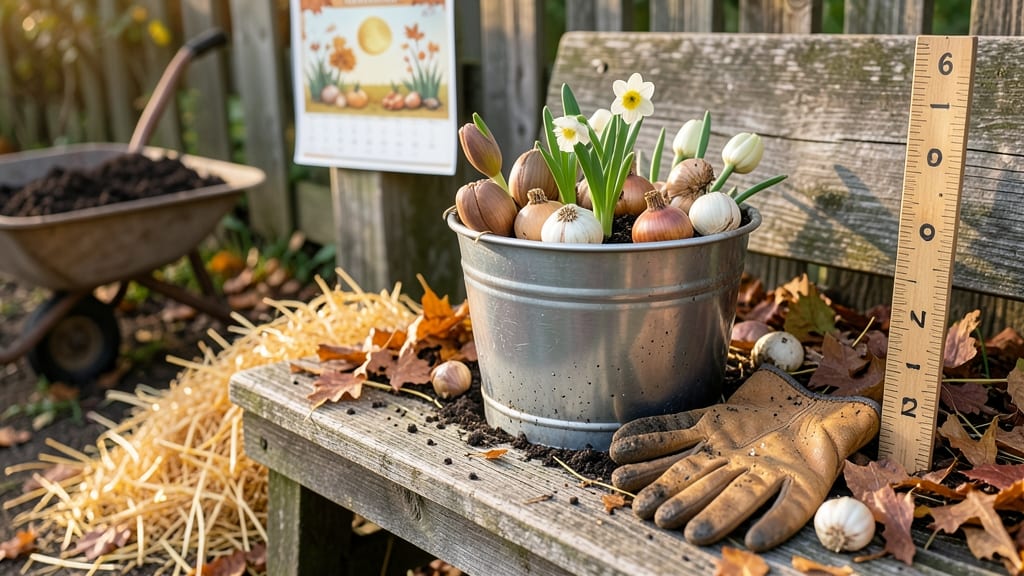
Planting bulbs in the fall is your secret weapon for a showstopping spring garden—but timing is everything. Get it right, and you’ll enjoy vibrant blooms in just a few months; mess it up, and your hard work could rot before winter even arrives.
The 6-week pre-frost rule is the game-changer here, giving bulbs like 🌱 tulips and daffodils enough time to root deeply before the ground freezes.
If you’re in USDA Zone 6a (or similar), that means aiming for late September to early October—just like I do in my own backyard. Too early, and your bulbs might sprout and freeze; too late, and they won’t establish strong roots before winter sets in.
Let me walk you through exactly how to nail this timing, no matter where you live.
You’ll also discover which bulbs thrive best in your climate, how to prep your soil for success, and the 3 biggest mistakes that sabotage fall planting. By the end, you’ll know exactly when to dig in your bulbs—and how to set them up for a burst of color next spring.
Ready to transform your garden? Let’s break down the science, the schedule, and the simple steps that make all the difference. Your future spring blooms will thank you!
The 6-Week pre-frost rule: exact timing for fall bulb planting
Planting bulbs in the fall isn't just about picking a random weekend—it's about giving them 6 weeks to establish strong roots before the ground freezes. This critical window ensures your tulips, daffodils, and crocuses will burst into bloom next spring instead of rotting in the soil.
The 6-week pre-frost rule is your golden ticket to success, but timing varies wildly depending on your USDA hardiness zone.
For most gardeners in USDA Zones 3-8 (which covers nearly the entire U.S.), the ideal planting window falls between mid-September and mid-October. This range accounts for the 6-week buffer before the first hard frost typically hits.
For example, if your first frost is November 15th, you should plant bulbs by October 1st to give roots enough time to anchor before winter sets in.
But here's the catch: Soil temperature matters more than air temperature. Bulbs need the ground to be below 60°F (15°C) to trigger dormancy, but not yet frozen.
In warmer climates (Zones 9-10), this might mean planting as late as December, while in cold northern zones (Zones 1-2), you could start as early as August.
To pinpoint your exact planting window, check your local frost dates (use the National Weather Service or Old Farmer's Almanac) and count backward 6 weeks.
Pro tip: If you live in an area with unpredictable weather, err on the earlier side—better to plant too soon than too late.
Here's a quick zone-by-zone breakdown to get you started:
- Zones 3-5: Aim for September 15th-October 15th
- Zones 6-8: October 1st-October 31st is ideal
- Zones 9-10: Plant November-December when soil cools
🌱 Fall Bulb Planting Timeline
| Zone | Ideal Planting Window | Soil Temp Goal | Key Consideration |
|---|---|---|---|
| Zones 3-5 | Mid-Sept to Mid-Oct | 50-60°F (10-15°C) | Early frost risk; plant ASAP |
| Zones 6-8 | Oct 1-31 | 55-65°F (13-18°C) | Classic "6-week rule" zone |
| Zones 9-10 | Nov-Dec | 60-70°F (15-21°C) | Wait for ground to cool |
⚠️ Pro Tip: Use a soil thermometer to confirm temps—bulbs need cool soil, not just cool air!
What if your fall is unusually early or late? Flexibility is key. If temperatures drop suddenly, prioritize planting hardier bulbs like crocuses or snowdrops, which can tolerate slightly colder soil.
Conversely, if your fall stays unseasonably warm, hold off until soil temperatures naturally drop below 60°F—waiting a few extra weeks prevents rot.
One common mistake is assuming air temperature dictates planting time. Bulbs care more about soil conditions. For example, in Zone 7, October might feel warm, but the soil could still be too hot.
Stick your finger 4-6 inches deep—if it's cooler than your wrist, it's time to plant.
For container gardening, the rules shift slightly. Potted bulbs need drainage holes and should be planted 2-3 weeks earlier than in-ground bulbs since containers cool faster.
Place pots in shaded spots during hot afternoons to prevent overheating, then move them to garages or cold frames if frost threatens early.
Remember, the 6-week rule isn't just about avoiding frost—it's about giving bulbs time to develop roots that can absorb moisture and store energy for next year's blooms. Rush the process, and you'll end up with weak, sparse flowers or worse, no blooms at all.
Take the time to plant right, and you'll reward yourself with a showstopping spring display.
The 6-Week pre-frost rule: exact timing for fall bulb planting
Mastering the 6-week pre-frost rule is the secret to planting bulbs at the perfect time. This means planting bulbs 6-8 weeks before your first frost date, giving them enough time to establish roots before winter sets in.
For example, in USDA Zone 6a (like my garden), that’s typically late September to early October—just when soil temperatures drop to 60°F (15°C) or lower.
Why this timing? Bulbs need 4-6 weeks of cool soil to root before the ground freezes. If you plant too early, they might sprout and get damaged by frost. Too late, and they won’t have time to develop strong roots.
I always check my local frost date (available on the National Weather Service website) and count backward to plan my planting schedule.
Here’s how to adjust for your climate:
- Cold climates (Zones 3-5): Aim for late August to mid-September—soil freezes earlier.
- Mild climates (Zones 7-9): Plant late October to November—frost comes later.
- Hot climates (Zones 10+): Plant in winter (December-February) when soil cools.
| Zone | Ideal Planting Window | Soil Temp | Key Tip |
|---|---|---|---|
| Zones 3-5 | Late August–Mid-September | 50–60°F (10–15°C) | Plant early—frost comes fast! |
| Zones 6-7 | Mid-September–Early October | 55–65°F (13–18°C) | Classic "6-week rule" timing. |
| Zones 8-9 | Late October–November | 60–70°F (15–21°C) | Wait for cooler soil temps. |
| Zones 10+ | December–February | 55–65°F (13–18°C) | Plant in winter’s "cool season." |
Pro tip: Use a soil thermometer to confirm temps—bulbs need consistent 60°F (15°C) soil to root. If your soil is still warm, wait a few days. I always test mine before planting to avoid common mistakes like premature sprouting or rot.
For extra insurance, I mark my frost date on my calendar and set a reminder 6 weeks prior. This ensures I’m ready to plant when the time comes. If you’re unsure about your frost date, local nurseries or cooperative extension offices can provide precise data for your area.
Once you’ve nailed the timing, the next step is soil prep—loose, well-draining soil is non-negotiable for bulbs. But that’s a topic for the next section! For now, remember: 6 weeks before frost is your golden window for planting bulbs that will reward you with stunning spring blooms. 🌱