
Companion Plants
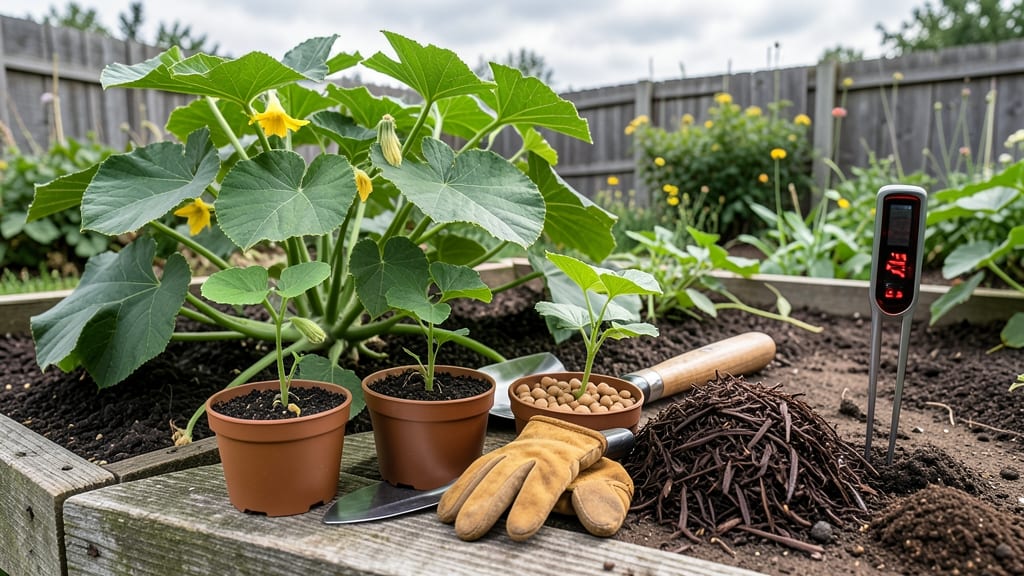
Planting pumpkins in Ohio isn’t just about tossing seeds in the dirt—it’s about playing the frost-free window just right, especially when you’re growing 90-day varieties that need every warm day to mature.
Skip the guesswork: Plant too early, and a late frost will turn your 🎃 into a sad, wilted mess; too late, and you’ll miss the harvest window entirely.
Here’s the secret: Wait until the soil hits 60°F (usually late May to early June in Zone 6a) and the last frost has officially fled—because Ohio’s spring is as unpredictable as a rollercoaster.
I’ve learned the hard way that rushing leads to disappointment, but timing it right means a garden full of plump, ready-to-harvest pumpkins by September.
You don’t need fancy transplants—direct sowing works perfectly for Ohio’s climate, but there’s a trick to it. We’ll cover the exact dates, soil prep, and even how to stretch your growing season if Mother Nature throws a curveball.
Let’s get those vines growing strong so you’re not scrambling when the first frost sneaks up.
Ready to avoid the 3 biggest mistakes Ohio gardeners make? From spacing to soil, I’ll walk you through every step so your pumpkins thrive—no second-guessing required. Let’s dig in.
Ohio’s ideal pumpkin planting window: soil temperature & frost dates
Ohio’s USDA Zone 5-6 climate means pumpkin planting hinges on two critical factors: soil temperature and frost-free dates. Unlike warmer states, Ohio’s late spring frosts (often until mid-May) demand patience—planting too early risks seed rot, while waiting too long cuts harvest time for 90-day varieties.
My rule? Wait until soil hits 60°F (15°C) and nighttime temps stay above 50°F (10°C) consistently.
Check your local last frost date (typically April 15 in southern Ohio, May 1 in northern regions) and count backward. Pumpkins need 90-120 days to mature, so aim to plant 3-4 weeks after frost—usually late May to early June.
Pro tip: Use the National Weather Service’s frost calculator for your exact county to fine-tune dates.
For direct sowing (recommended for Ohio), plant seeds 1 inch deep in hills spaced 4-6 feet apart. If you’re starting indoors (for a head start), sow seeds 2-3 weeks before last frost in biodegradable pots to transplant later.
Just remember: Transplants shock easily, so harden them off for 7-10 days before moving outdoors.
Ohio’s short growing season (only 165 frost-free days on average) means timing is non-negotiable. If you’re growing mini pumpkins (like ‘Jack-Be-Little’), you’ve got a 75-day window—giving you more flexibility. But standard varieties? Plant by June 1 to avoid disappointment.
Here’s my personal trick: Bury a soil thermometer in your garden bed. When it reads 60°F for 3 consecutive days, it’s go time. Cold soil = slow germination, and pumpkin seeds won’t sprout below 55°F. Patience here pays off—fast germination = faster harvest.
| Factor | Ohio Specification | Actionable Tip |
|---|---|---|
| Last Frost Date | Mid-April to early May | Use Almanac’s frost calculator for your county. |
| Soil Temperature | 60°F+ (15°C) | Wait for 3 consecutive days above 60°F. |
| Planting Window | Late May to early June | Aim for June 1 for 90-day varieties. |
| Frost-Free Days | 165 days (avg.) | Choose fast-maturing varieties if your season is shorter. |
| Nighttime Temp | Above 50°F (10°C) | Use row covers if temps dip below 50°F. |
Ohio’s northern regions (like Cleveland or Toledo) face cooler soils and later planting windows. If you’re in Zone 5, push planting to early June to avoid early September frosts. Meanwhile, southern Ohio (e.g., Cincinnati, Columbus) can start as early as mid-May.
To bridge the gap, I’ve had success with succession planting: Sow a second batch in early July for a fall harvest before hard frosts hit.
One common mistake Ohio gardeners make? Planting based on calendar dates instead of weather conditions. I’ve seen May 15 plantings fail in northern Ohio because of late frosts, while June 10 plantings in southern Ohio thrived.
Always monitor your local forecast and adjust. The Ohio State Extension offers free frost probability maps—bookmark them!
For container growing (great for small spaces or urban gardens), plant 1-2 seeds per 5-gallon pot and place in full sun. Containers warm up faster than soil, so you can plant 1-2 weeks earlier than in-ground.
Just ensure pots have drainage holes—pumpkins hate soggy roots. I’ve grown ‘Sugar Pie’ pumpkins in containers on my patio with great success!
Finally, test your soil pH before planting. Pumpkins prefer 6.0-7.0
Ohio’s ideal pumpkin planting window: soil temperature & frost dates
Ohio’s USDA Zone 5-6 climate means your pumpkin planting window hinges on two critical factors: soil temperature and last frost date.
Pumpkin seeds need soil temps of 60°F+ to sprout reliably, and Ohio’s average last frost date falls around April 15—but this can vary by 1-2 weeks depending on your region. For example, northern Ohio may wait until early May, while southern Ohio can start planting by late April.
To pinpoint your exact planting window, check the 30-day forecast for stable 60°F+ soil temps and a 90% frost-free probability. Most Ohio gardeners aim for late May to early June, giving pumpkins their full 90-120 day growing season before the first frost hits around October 15.
This timeline ensures your vines mature enough to produce hard-shelled pumpkins ready for harvest.
| Stage | Action | Ohio Timeline |
|---|---|---|
| Soil Prep | Test soil pH (6.0-6.8), add compost | April 1-May 15 |
| Planting Window | Direct sow seeds after last frost | Late May-Early June |
| Germination | Seeds sprout in 5-10 days at 60°F+ | June 1-15 |
| Harvest Ready | Rind hardens, stem dries | September-October |
| First Frost Risk | Protect plants if frost threatens | Mid-October |
If you’re eager to start earlier, consider indoor seed starting 2-3 weeks before your last frost date. Pumpkin seeds germinate quickly—5-10 days at 60°F+—so you can transplant 2-3 week old seedlings into the garden once soil warms.
However, pumpkins hate being transplanted, so direct sowing is often better for Ohio’s short season. For extra insurance, use row covers to extend the growing season by 2-3 weeks.
One common mistake Ohio gardeners make is planting pumpkins too early in hopes of a longer season. Cold soil (below 55°F) delays germination and weakens seedlings, making them vulnerable to damping-off disease.
Always wait until the soil temperature consistently stays above 60°F—use a soil thermometer to check in the morning. This small step can mean the difference between a bountiful harvest and stunted vines.
For a 90-day variety like ‘Howden,’ aim to plant by June 1 to ensure harvest before frost. If you’re growing a 100-120 day variety, like ‘Cinderella,’ you can push planting to early June—but monitor weather forecasts closely.
Ohio’s unpredictable late summer storms can bring unexpected chills, so have row covers or frost cloth ready to protect young plants if temperatures dip below 50°F.
Pro tip: Use Ohio’s frost-free days calculator (available from your local Ohio State Extension office) to input your zip code and get a personalized planting window. This tool accounts for microclimates in your area, ensuring you plant at the optimal time for your specific location.
With the right timing, you’ll be carving perfect pumpkins by Halloween! 🎃