
Planting
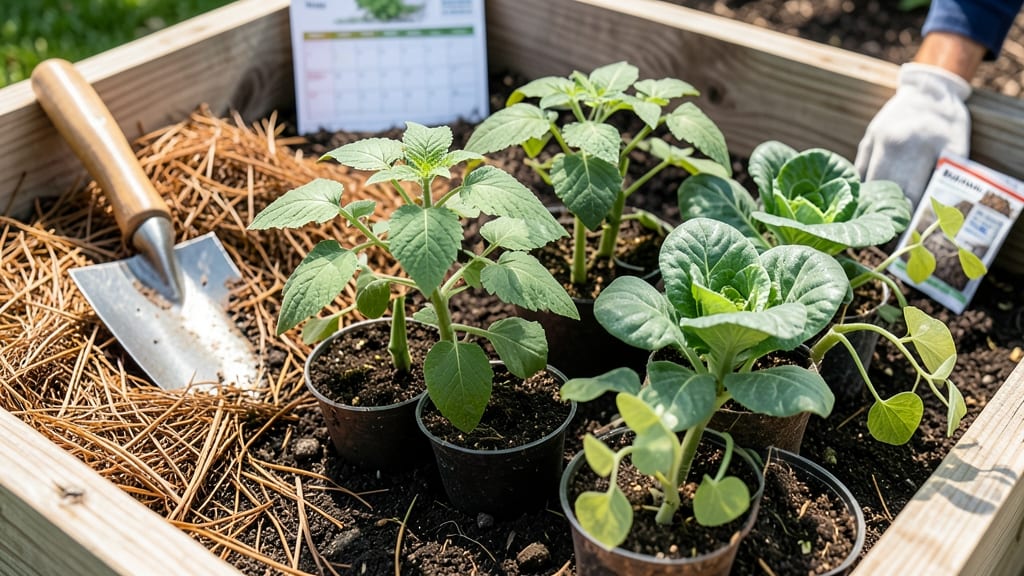
Planting a garden in Georgia at the wrong time means watching your hard work melt away with the first frost—or worse, never sprouting at all.
The key to a thriving 🌱 garden here lies in knowing when to start seeds indoors, when to transplant seedlings, and how to work with Georgia’s 7a-8b climate zones.
Spring planting kicks off as early as late February for frost-hardy crops, but most gardeners wait until after the last frost date—typically mid-March in North Georgia—to avoid surprise chills. Fall offers a second chance, with ideal windows stretching from August to early September for cool-season crops.
I’ve learned the hard way that timing isn’t just about dates—it’s about soil temperature, microclimates, and even the phase of the moon (yes, really!). This guide breaks down the exact windows for your region, whether you’re growing tomatoes, lettuce, or flowers, so you can harvest like a pro.
Ready to turn your backyard into a year-round bounty? Let’s dive into the perfect planting schedule for Georgia’s two golden seasons—spring and fall.
Georgia’s last frost dates by region: when to plant cool-season crops safely
Georgia’s last frost dates vary dramatically across its 10 distinct regions, from the cool mountain valleys of North Georgia to the warmer Coastal Plain. These dates determine when you can safely plant cool-season crops like lettuce, broccoli, and spinach without risking frost damage.
Missing this window means stunted growth or total crop failure—so let’s break it down by region.
For North Georgia (USDA Zones 6b-7a), including areas like Blue Ridge and the Chattahoochee Valley, the average last frost date falls between March 15-30. This is the earliest window in the state, giving you a head start on early spring plantings like peas and radishes.
Meanwhile, South Georgia (Zones 7b-8a), including Savannah and Brunswick, typically sees its last frost by March 1-15, allowing for even earlier sowing.
Here’s where regional differences get critical: In Piedmont (Zones 7a-7b), covering Atlanta and Macon, last frosts usually arrive March 1-15, while the Coastal Plain (Zones 8a-8b), like Valdosta and Albany, can expect frost-free conditions by February 28-March 10.
These variations mean your planting timeline should align with your specific microclimate—not just the state average.
| Region | USDA Zone | Avg. Last Frost | Safe Planting Window | Key Cool-Season Crops |
|---|---|---|---|---|
| North Georgia | 6b-7a | March 15-30 | March 15-April 15 | Lettuce, Spinach, Broccoli, Peas |
| Piedmont | 7a-7b | March 1-15 | March 1-April 10 | Kale, Carrots, Radishes, Cabbage |
| Coastal Plain | 8a-8b | Feb 28-March 10 | Feb 28-March 25 | Collards, Turnips, Swiss Chard, Onions |
| South Georgia | 7b-8a | March 1-15 | March 1-April 5 | Mustard Greens, Beets, Lettuce, Peas |
To maximize your garden’s potential, I recommend starting seeds indoors 4-6 weeks before your region’s last frost date. For example, if you’re in North Georgia, begin sowing broccoli and cabbage indoors by February 15 to ensure they’re ready for transplanting after March 15.
This head start gives seedlings a 3-4 week advantage over direct-sown crops, leading to earlier harvests and higher yields.
For direct-sown crops like radishes and lettuce, wait until 2-3 weeks after your region’s last frost date. These hardy greens tolerate light frosts but thrive best when soil temperatures reach at least 40°F.
Use row covers or cold frames to extend your planting window by 2-3 weeks in cooler microclimates, like mountain valleys.
Pro tip: Check your local USDA frost map and adjust for microclimates. A south-facing slope warms up faster than a shaded valley, potentially shifting your planting window by 1-2 weeks.
I’ve seen gardeners in Athens (Zone 7b) plant lettuce 10 days earlier on a sunny hillside compared to a nearby shaded area.
Don’t forget to harden off seedlings before transplanting. Acclimate them to outdoor conditions over 7-10 days by gradually increasing their exposure to wind and sun. This step reduces transplant shock and ensures your cool-season crops establish strong roots before summer heat arrives.
If you’re unsure about your exact last frost date, I suggest using a soil thermometer and frost calendar from your local Cooperative Extension Service. These tools provide hyper-localized data that can save your garden from unexpected frost damage.
Timing your plantings correctly means the difference between a bountiful harvest and a disappointing yield. By following these regional guidelines, you’ll avoid the most common mistakes and set your garden up for success—no matter where you are in Georgia.
Fall planting schedule for zero-frost success: Georgia’s first frost deadlines explained
Fall planting is Georgia’s secret weapon for a second harvest—just as rewarding as spring, but with fewer pests and milder temperatures. The key is timing: plant too early, and your warm-season crops (like tomatoes) will bolt in the heat; too late, and frost will nip seedlings before they mature.
Most Georgia gardeners focus on August to early September for fall planting, aligning with soil cooling and shorter daylight. But your exact window depends on whether you’re growing warm-season crops (like peppers) or cool-season crops (like kale).
I’ll break it down by region so you can avoid the most common timing mistakes.
| Crop Type | Planting Window | Soil Temp | First Frost Risk |
|---|---|---|---|
| Warm-Season (Tomatoes, Peppers, Squash) | Mid-August - Early Sept | 60°F+ | Low (if planted by Sept 1) |
| Cool-Season (Lettuce, Spinach, Carrots) | Late July - Mid-Sept | 50°F+ | Moderate (use row covers) |
| Herbs (Basil, Cilantro, Dill) | Late Aug - Early Sept | 55°F+ | Low (harvest before frost) |
For warm-season crops, aim to plant by early September in North Georgia (USDA Zone 7a) and up to mid-September in South Georgia (Zone 8a). These crops need 60°F+ soil to thrive, so test with a soil thermometer—if it’s cooler, wait or use black plastic mulch to warm it faster.
Cool-season crops like kale and radishes can handle lighter frosts, but they’ll bolt if planted too early. Start them 6-8 weeks before your first frost date (typically mid-November in North Georgia to mid-December in South Georgia). Use row covers to extend harvests by 2-3 weeks.
Pro tip: Direct-sow fast growers like radishes and lettuce in late summer for an early fall harvest, then transplant slower growers (like broccoli) in early September. This staggered approach ensures continuous yields without gaps.
Don’t forget to prep your soil in late summer—add compost and mulch to retain moisture as temperatures drop. A well-fed garden in fall means sweeter harvests and fewer pests to contend with.
With these deadlines, you’ll avoid the #1 fall mistake: planting too late and watching your seedlings turn to ice. Next, we’ll cover the 5 critical mistakes Georgia gardeners make with timing—and how to sidestep them completely. 🌿