
Planting
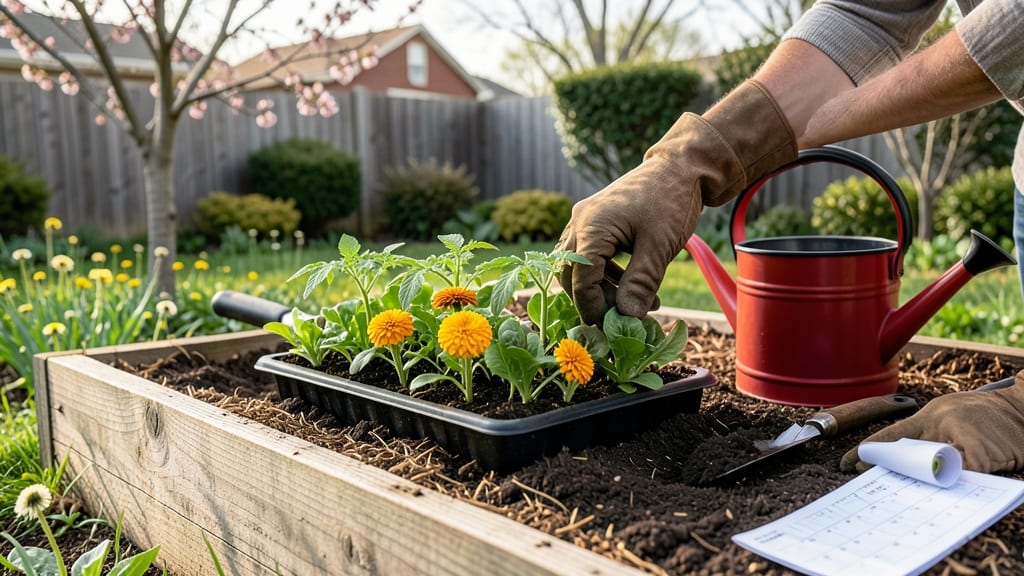
When to plant a garden in Indiana can make all the difference between a thriving harvest and a disappointing one—especially when last frost dates swing wildly between April 15 and May 15 depending on your corner of the state.
You’ve probably heard the old gardening rule: "Wait until the soil warms to 60°F," but Indiana’s Zone 5B/6A climate throws a wrench into that plan. Too early, and frost will nip your seedlings in the bud.
Too late, and you’ll miss the sweet spot for warm-season crops like tomatoes and peppers—or end up with bolting greens before you can enjoy them.
Here’s the game-changer: a crop-by-crop planting schedule that accounts for Indiana’s microclimates, from the cooler northern reaches to the slightly milder southern regions.
Whether you’re dreaming of crisp spring lettuce or juicy summer peppers, I’ll show you exactly when to plant—and how to adjust for soil, weather, and even your backyard’s unique quirks.
No more guessing games. Just clear deadlines, practical tips, and a foolproof system to maximize your harvest. Let’s get your garden growing on the right timeline.
Indiana planting deadlines by crop type: frost dates and heat tolerance guide
Indiana’s Zone 5B/6A climate means your planting timeline hinges on two critical dates: the last average frost (April 15) and the first frost (October 15). These dates create a 165-day growing window—perfect for cool-season crops in spring and warm-season crops in summer.
But don’t just guess: soil temperature matters just as much as air temperature.
For cool-season crops like spinach, peas, and lettuce, start seeds indoors 4–6 weeks before the last frost (early March) or sow directly in early April when soil reaches 40°F.
Warm-season crops—tomatoes, peppers, and cucumbers—need to wait until after May 15, when soil warms to 60°F+. Skipping this step risks stunted growth or death.
Here’s the key: Northern Indiana (Zone 5B) has a shorter window than Southern Indiana (Zone 6A). For example, tomatoes in Evansville (Zone 6A) can start 2 weeks earlier than in Gary (Zone 5B). Always check your local Indiana State Climate Office for precise frost dates.
🌱
Indiana Planting Timeline by Crop Type
| Crop Type | Planting Window | Soil Temp Requirement | Notes |
|---|---|---|---|
| Cool-Season (Spinach, Peas, Lettuce) | Early March (indoors) or Early April (direct sow) | 40–50°F | Harvest before summer heat |
| Warm-Season (Tomatoes, Peppers, Cucumbers) | After May 15 (soil 60°F+) | 60–70°F | Use row covers for early starts |
| Root Crops (Carrots, Beets, Radishes) | March–April or August–September | 45–55°F | Avoid rocky soil |
| Herbs (Basil, Cilantro, Dill) | After last frost (May) or August for fall | 55–65°F | Basil hates cold |
| Perennials (Asparagus, Rhubarb) | Early spring (March–April) | 45°F+ | Patience needed (2–3 years to harvest) |
Pro tip: Use row covers to extend your planting window by 2–3 weeks in spring or fall. For example, you can plant broccoli in late March under a cover, then remove it once temperatures stabilize. This trick adds 30–40 extra frost-free days to your garden.
For fall planting, focus on crops that mature quickly, like radishes (30 days) or spinach (40 days). Start seeds in mid-August for a harvest before the first frost. Avoid planting warm-season crops like squash or beans after August 15—they won’t have enough time to mature.
Indiana’s microclimates can vary dramatically. Urban areas like Indianapolis often experience heat islands, while rural farms in northern Indiana may face cooler, wetter springs. Adjust your timeline by 1–2 weeks based on your local conditions. Always monitor your garden’s microclimate with a soil thermometer.
🌿
One common mistake is planting warm-season crops too early. For instance, tomatoes planted in late April may bolt (produce flowers instead of fruit) if nighttime temperatures dip below 55°F. Instead, wait until soil temperature consistently stays above 60°F—usually mid-to-late May in most of Indiana.
For perennials and shrubs, the best time to plant is in early spring (April) or early fall (September). This gives roots time to establish before extreme temperatures. Mulch heavily after planting to retain moisture and protect roots from spring frost or summer heat.
🪴
How to adjust planting times for Indiana’s microclimates and soil conditions
Indiana’s Zone 5B/6A climate means your garden’s success hinges on adjusting for microclimates—whether you’re in urban Indianapolis or rural southern Indiana. Urban areas often experience heat islands that warm soil faster, while rural spots may hold frost longer.
Always check your local last frost date (typically April 15–May 15) using the Indiana State Climate Office for precision.
Soil temperature is just as critical as air temperature. Use a soil thermometer to confirm 60°F+ for warm-season crops like tomatoes and peppers. Cool-season crops (spinach, kale) can tolerate 40–50°F soils. Pre-warming soil with black plastic mulch can shave weeks off your planting timeline in chilly springs.
Urban gardeners often face limited space and concrete heat absorption. Opt for container gardening with lightweight potting mix and self-watering pots. Rural gardens may need drainage solutions like raised beds if your soil stays soggy after rain.
Always amend heavy clay soils with sand or peat moss to prevent root rot.
Common mistakes to avoid: planting warm-season crops before soil warms (e.g., tomatoes in 45°F soil), ignoring shade patterns (e.g., planting sun-lovers under trees), or skipping succession planting for crops like lettuce. Instead, stagger plantings every 2–3 weeks to ensure continuous harvests.
For fall planting, focus on cool-season crops like kale, radishes, and carrots 6–8 weeks before your first frost. Use straw mulch (3–4 inches thick) to insulate soil and protect roots. In southern Indiana, you can often plant 2 weeks later than northern regions due to milder winters.
Pro tip: Keep a gardening journal to track your local frost dates, soil temps, and plant performance. Share notes with neighbors—Indiana’s microclimates vary dramatically even within 5 miles! With these adjustments, you’ll maximize your growing season and outsmart Indiana’s unpredictable weather. 🌱