
Planting
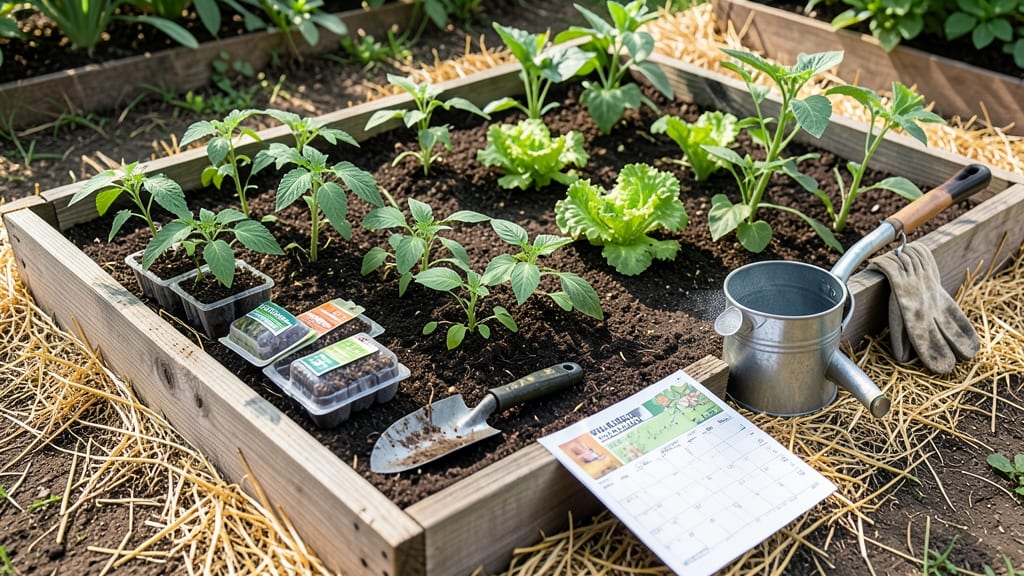
Planting your vegetable garden 🥕 at the wrong time in Oklahoma can mean the difference between a thriving harvest and wasted effort—especially when frost dates shift unpredictably between northern and southern regions.
Whether you're in Zone 6b or 8a, getting the timing right ensures your tomatoes, greens, and root crops grow strong instead of struggling against early freezes or scorching summer heat.
I’ve spent years testing planting schedules across Oklahoma’s varied microclimates, and the key is knowing exactly when to start seeds indoors, transplant seedlings, and sow directly into the soil.
For example, cool-season crops like spinach and peas can handle early spring plantings, while heat-lovers like peppers and squash need to wait until after the last frost—usually mid-March to April in southern Oklahoma and late April to May in the north.
In this guide, I’ll break down the optimal planting windows for every major crop, including how to extend your growing season with row covers and indoor starts. You’ll also learn how to adjust for Oklahoma’s unpredictable weather, so you can avoid common mistakes like bolting lettuce or stunted tomatoes.
Ready to transform your garden into a productive powerhouse? Let’s dive into the exact planting schedule that works for your zone—and set you up for a harvest that’ll make your neighbors jealous.
Oklahoma planting calendar: frost dates and optimal start times by Zone
Oklahoma’s USDA hardiness zones 6a and 7a create distinct planting windows that can confuse even experienced gardeners. The key is understanding your last frost date, which varies dramatically between northern and southern regions.
In Zone 6a (northern OK), the average last frost falls around April 15, while Zone 7a (southern OK) sees frost-free conditions by March 15. These dates dictate when to plant cool-season crops like lettuce and warm-season crops like tomatoes.
For cool-season vegetables, I recommend starting seeds indoors 4-6 weeks before your last frost date. This gives seedlings a head start before transplanting outdoors. In Zone 6a, that means early March sowing, while Zone 7a gardeners can begin as early as late February.
The goal is to have these plants established before temperatures consistently rise above 50°F, which can trigger bolting in leafy greens.
| Planting Window | Zone 6a (Northern OK) | Zone 7a (Southern OK) | Key Crops |
|---|---|---|---|
| Early Spring (Cool-Season) | March 1 - April 15 | February 15 - March 30 | Spinach, Peas, Lettuce, Broccoli |
| Late Spring (Warm-Season) | April 15 - May 15 | March 30 - April 30 | Tomatoes, Peppers, Cucumbers, Corn |
| Summer (Succession Planting) | May 15 - June 30 | April 30 - June 15 | Beans, Squash, Okra, Sweet Potatoes |
| Fall (Cool-Season) | August 1 - September 15 | July 15 - August 30 | Kale, Carrots, Radishes, Turnips |
Warm-season crops like tomatoes and peppers need soil temperatures above 60°F to thrive, which typically occurs 2-3 weeks after your last frost date. In Zone 6a, this means waiting until mid-to-late April, while Zone 7a gardeners can plant as early as early April.
For maximum yield, I always plant tomato and pepper seedlings after Memorial Day, when soil temperatures are consistently warm.
Oklahoma’s fall planting window is equally important, especially for cool-season crops that can tolerate light frosts. In Zone 6a, I start planting broccoli and cabbage as early as mid-August, while Zone 7a gardeners can begin in late July.
The goal is to harvest before first frost (typically mid-November in Zone 7a and mid-October in Zone 6a
Pro tip: Use row covers to extend your planting windows by 2-4 weeks in both spring and fall. These lightweight fabrics protect young plants from late frosts while allowing sunlight and water to penetrate. I’ve successfully grown spinach and lettuce through December using row covers in Zone 7a, and started tomatoes in March under cover in Zone 6a. For precise frost dates in your specific area, check the Oklahoma State University Extension Service or use their interactive frost date map. Their data is updated annually and accounts for microclimates that can vary even within a single county. Always err on the side of caution—better to plant a week late than risk losing your seedlings to an unexpected frost! Remember, soil temperature matters just as much as air temperature. Use a soil thermometer to verify conditions before planting warm-season crops. Ideal soil temps for tomatoes and peppers are 70-85°F, while cool-season crops
Best vegetables to plant in Oklahoma by season: cool vs. warm-season crops
Oklahoma’s climate lets you grow a diverse garden, but the key to success is matching each vegetable to its ideal season. Cool-season crops thrive in spring and fall when temperatures hover between 40°F and 75°F, while warm-season varieties need consistent warmth above 60°F to flourish.
I’ve tested these crops across Oklahoma’s zones and found that timing is everything—plant lettuce too late, and it bolts; delay tomatoes until June, and you’ll miss half the season.
For spring plantings, focus on cold-hardy vegetables like peas, spinach, and broccoli. These can handle Oklahoma’s early spring chills and even survive light frosts. In fact, some varieties like peas actually sweeten in response to cold, making them perfect for late winter starts.
I recommend sowing seeds 4-6 weeks before your last frost date—typically mid-March in southern Oklahoma and late March in the north.
Warm-season crops like tomatoes, peppers, and squash are the stars of Oklahoma’s summer garden, but they need consistent warmth to grow. These plants can’t handle frost, so wait until 2-3 weeks after your last frost date—usually mid-April in the south and late April to early May in the north. If you’re impatient, start seeds indoors 6-8 weeks before transplanting to get a head start.
🌱 Cool-Season vs. Warm-Season Crops: Oklahoma Planting Guide
- 🥬 Lettuce: March-April, September-October
- 🌱 Peas: February-April, August-September
- 🥦 Broccoli: March-April, August
- 🥕 Spinach: March-April, September
- 🧅 Onions: February-March
- 🍅 Tomatoes: April-May, July-August (fall)
- 🌶 Peppers: April-May
- 🎃 Squash: May-June
- 🥒 Cucumbers: May-June
- 🌽 Corn: April-May
Pro Tip: Use row covers to extend cool-season planting by 2-3 weeks in spring or protect fall crops from early frost.
One of my biggest mistakes early on was planting tomatoes too late—by early June, the heat was already setting in, and my plants struggled to set fruit.
Now, I transplant seedlings by mid-April in the south and late April in the north, giving them time to establish before summer’s intensity peaks.
For fall gardens, I prioritize fast-maturing varieties like bush beans and radishes, which can be sown as late as August and still produce before frost.
Oklahoma’s fall planting window is often overlooked, but it’s a game-changer for a second harvest. I’ve had great success with kale, carrots, and turnips planted in late summer. These crops thrive in cooler temperatures and can even sweeten after a light frost.
Just be sure to harvest before hard frosts, which typically hit mid-November in the south and early November in the north.
To avoid common pitfalls, like bolting lettuce or blight-prone tomatoes, I recommend succession planting for quick crops like radishes and bush beans. This means sowing new seeds every 2-3 weeks to ensure a steady harvest.
For example, I’ll plant a batch of radishes in March, another in May, and a final one in September—this keeps my kitchen stocked year-round.
Don’t forget about perennial vegetables like asparagus and rhubarb, which can be planted in early spring and will reward you for years. These hardy plants establish slowly but thrive in Oklahoma’s climate once mature.
I planted asparagus crowns in March and now harvest spears for 10+ years—a true labor-of-love payoff!