
Plants
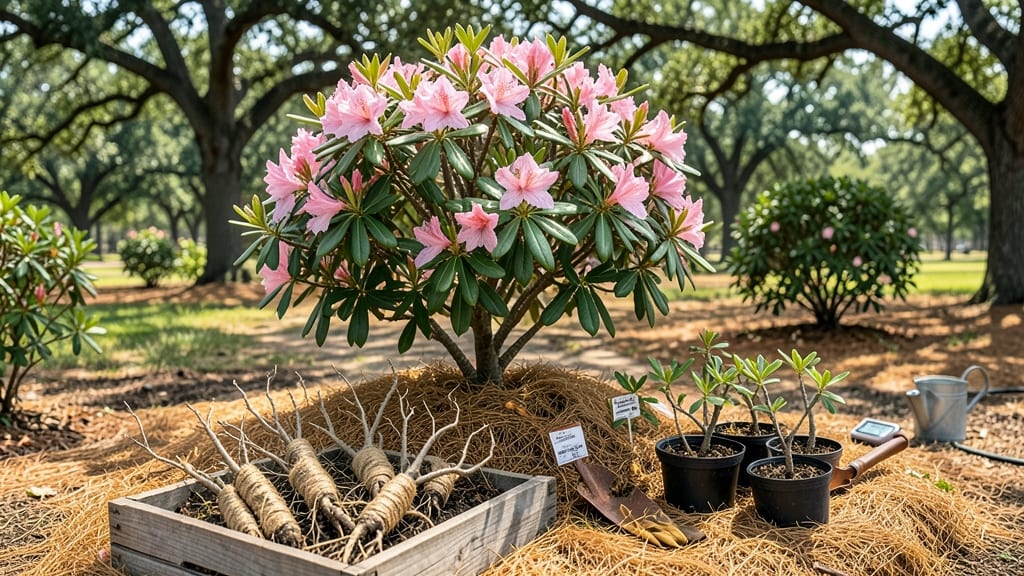
Planting azaleas at the wrong time in Arkansas can mean years of struggling with weak blooms—or worse, losing your 🌸 shrubs entirely. The key to vibrant spring displays lies in understanding your local climate zones and the best windows for planting these finicky beauties.
Most gardeners assume spring is the only option, but Arkansas' mild winters actually make fall planting the preferred strategy for many regions. With the right timing, you'll give your azaleas the perfect start, avoiding transplant shock and heat stress that can derail new plantings.
In this guide, I'll break down the exact months that work best for your specific Arkansas zone, plus soil prep tips and seasonal cues to watch for. Whether you're planting bare-root shrubs or container-grown specimens, these insights will help you create a thriving foundation for years of stunning spring color.
Let's dive into the science behind Arkansas' planting windows and discover how a little timing knowledge can transform your garden from "meh" to "wow." You'll learn why October through November often outperforms spring plantings—and when early March might be your best bet for certain varieties.
Best planting months for azaleas in Arkansas by region
Arkansas spans three distinct USDA zones—7a in the north to 8b in the south—each with unique frost patterns that dramatically affect azalea planting success. The first frost typically arrives between November 1-15, while the last frost lingers until March 15 in most areas.
These dates create a narrow window where timing becomes critical for root establishment.
For northern Arkansas (Zone 7a), the ideal planting window is October 1-31 or March 15-April 15. Gardeners here face the highest frost risk, so early fall planting gives roots time to establish before winter dormancy.
In contrast, southern Arkansas (Zone 8b) can extend planting until November 15 or even early December in mild microclimates.
Central Arkansas (Zone 7b-8a) offers the most flexibility, with October through November as prime months. The key is planting 6-8 weeks before first frost to allow roots to develop before cold sets in.
Spring planting works too, but must occur before bud break (typically by mid-April) to avoid transplant shock during flowering.
🌱 Azalea Planting Windows by Arkansas Region
| Region | USDA Zone | Best Planting Months | Critical Deadlines | Soil Temp Threshold |
|---|---|---|---|---|
| North Arkansas | 7a | October 1-31, March 15-April 15 | Before Nov 1 frost, After Mar 15 frost | 50-60°F (10-15°C) |
| Central Arkansas | 7b-8a | October 1-November 15 | Before Nov 15 frost, Before Apr 15 bud break | 55-65°F (13-18°C) |
| South Arkansas | 8b | October 1-November 30 | Before Dec 1 frost (mild years), After Mar 1 frost | 60-70°F (15-21°C) |
⚠️ Pro Tip: Test soil temperature with a thermometer—roots struggle below 50°F (10°C).
Microclimates play a huge role in Arkansas. Urban areas like Little Rock often experience 2-3°F warmer temperatures than rural zones just 20 miles away. If you're near a large body of water or in a valley, you might safely plant 2 weeks later than the general guidelines suggest.
Always observe your local last frost date—the National Weather Service provides county-specific forecasts that can adjust your timeline by 7-10 days.
The soil temperature matters just as much as air temperature. Azalea roots need 50-65°F (10-18°C) soil to establish properly. In northern Arkansas, this means waiting until mid-October when daytime highs consistently reach 70°F (21°C).
Use a soil thermometer ($10 at garden centers) to verify—planting too early in cool soil leads to root rot from soggy conditions.
One common mistake Arkansas gardeners make is planting bare-root azaleas too late in spring. Once buds begin swelling (usually by late March), the plant diverts energy to flowering instead of root growth. This creates a transplant shock scenario where new shrubs wilt under summer heat.
For container-grown azaleas, the window extends slightly later (until May 1), but always water deeply within 24 hours of planting to reduce shock.
Southern Arkansas gardeners have the luxury of fall planting until November 30, but this requires monitoring humidity levels. The region's high humidity (often exceeding 80%) creates ideal conditions for fungal diseases like powdery mildew.
Choose resistant varieties like 'Southern Indica' or 'George L. Taber' and apply fungicide at planting if your area has a history of fungal issues.
For all regions, mulching becomes essential after planting. Apply 3-4 inches of pine bark mulch (maintains acidity) to protect roots from temperature swings. In northern zones, this insulation helps prevent winter desiccation—a major killer of newly planted azaleas.
Water the mulch (not the foliage) every 7-10 days during establishment to keep the root zone consistently moist.
Remember: Azaleas planted in fall typically bloom 1-2 years earlier than spring-planted shrubs because they establish roots during the cooler, wetter months when competition for water is minimal. This head start means more vibrant
How to choose between fall vs spring planting for Arkansas azaleas
Deciding between fall and spring planting for azaleas in Arkansas comes down to two key factors: soil moisture and temperature stability. Both seasons offer advantages, but Arkansas' humid summers and mild winters create unique conditions that favor one approach over the other for most gardeners.
Fall planting is generally preferred because Arkansas' cool, moist soil in October-November gives roots time to establish before winter dormancy. This reduces transplant shock and sets your azaleas up for vigorous growth the following spring.
However, spring planting (March-April) works well if you missed the fall window or live in Arkansas' warmer southern zones where winters are milder.
Let's compare the two approaches using Arkansas-specific considerations. The right choice depends on your USDA zone, soil type, and whether you're planting bare-root or container-grown azaleas.
Fall Planting (October-November)
Pros
- ✅ Cooler soil reduces root stress
- ✅ More time for root establishment before spring
- ✅ Less competition from weeds and pests
- ✅ Better moisture from Arkansas' fall rains
Cons
- ❌ Limited time window before first frost
- ❌ Requires proper winter mulching
- ❌ Risk of late-season heat stress in southern AR
Spring Planting (March-April)
Pros
- ✅ Avoids winter transplant shock risks
- ✅ Longer growing season for root development
- ✅ Easier to monitor new plantings
- ✅ Better for southern Arkansas zones (7b-8b)
Cons
- ❌ Hotter soil increases transplant shock
- ❌ More competition from weeds and pests
- ❌ Requires consistent watering during summer
If you're still unsure which season suits your Arkansas garden best, consider these regional guidelines. Northern Arkansas gardeners (zones 7a) should prioritize fall planting to avoid summer heat stress, while those in Little Rock and southern areas (zones 7b-8b) can successfully plant in both fall and spring.
For container-grown azaleas, spring planting often works better because the established root ball handles Arkansas' summer heat more easily. But if you're planting bare-root azaleas, fall planting gives those delicate roots the best chance to establish before Arkansas' winter chill sets in.
Remember that proper soil preparation is equally important as timing. Arkansas' clay-heavy soils often need amendment with organic matter and sulfur to maintain the acidic pH azaleas crave. Test your soil in early spring or late summer to give yourself time to adjust before planting season.