
Plants
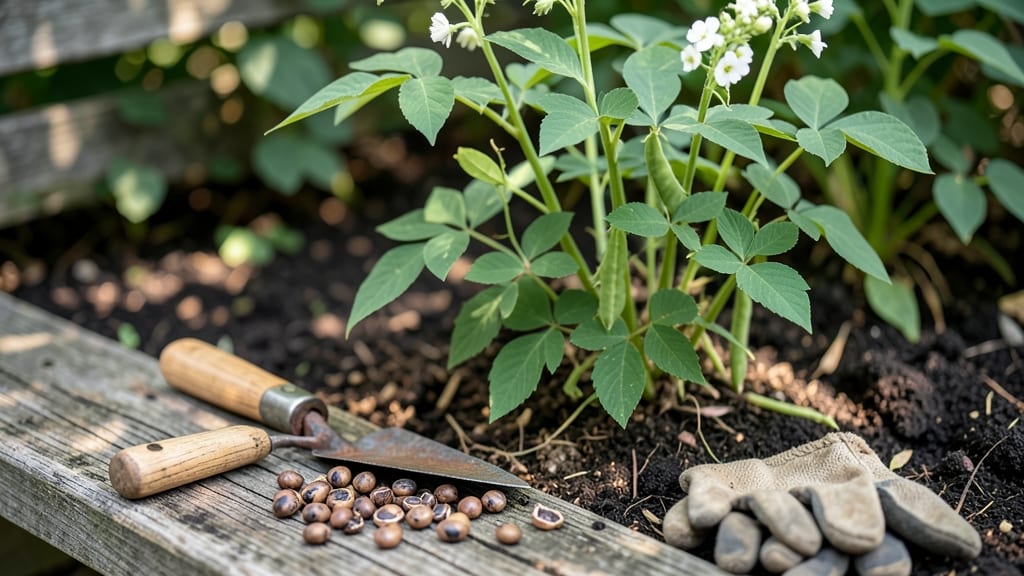
Planting beans in Iowa isn’t just about dropping seeds in the dirt—it’s about catching that sweet window between frost and scorching heat when your 🌱 thrives. Get the timing wrong, and you’ll either lose your crop to late frosts or watch your plants wilt before they bear beans.
Iowa’s USDA zones 5a-6b mean last frost dates can swing wildly—some years, beans go in by mid-April; others, you’re waiting until early June. The key is tracking soil temps (beans need 60°F+) and knowing whether you’re growing heat-loving bush beans or cooler-tolerant pole varieties.
In this guide, I’ll break down the exact planting calendar for Iowa, including regional tweaks (like Des Moines vs. Sioux City) and how to stretch your harvest into September. No more guesswork—just bushels of success.
Ready to turn your garden into a bean bonanza? Let’s dive into the frost-free timeline that’ll have your plants producing all summer long.
Iowa bean planting calendar: exact dates by bean type and region
Iowa’s USDA zones 5a-6b mean your bean planting window can shift by weeks—sometimes even months—depending on whether you’re in northern Sioux City or southern Davenport. The golden rule? Wait until the soil hits 60°F and the last frost has passed.
For most of Iowa, that’s mid-April to early June, but heat-loving varieties like ‘Blue Lake’ may need a later start.
Bush beans are the most forgiving, thriving in cooler soil temps (55°F+), while pole beans and snap peas prefer warmer conditions (65°F+). In Zone 5a (northwest Iowa), aim for May 1–15; in Zone 6b (southeast), you can start as early as April 15.
Always check the Iowa State University Extension’s frost maps for real-time updates.
Here’s your region-specific planting timeline for Iowa’s most popular bean types:
| Bean Type | Ideal Planting Window (Iowa) | Soil Temp Threshold | Notes |
|---|---|---|---|
| Bush Beans | April 20–May 15 (Zone 6b); May 1–15 (Zone 5a) | 55–60°F | Fast-growing; great for containers. Varieties: ‘Blue Lake,’ ‘Kentucky Wonder.’ |
| Pole Beans | May 1–June 1 (after last frost) | 60–65°F | Needs trellis; longer harvest. Varieties: ‘Kentucky Blue,’ ‘Rattlesnake.’ |
| Snap Peas | April 15–May 10 (Zone 6b); May 10–20 (Zone 5a) | 50–55°F | Cool-season; harvest pods young. Varieties: ‘Sugar Snap,’ ‘Oregon Sugar Pod.’ |
| Late-Season (Heat-Tolerant) | June 1–15 (for fall harvest) | 70°F+ | Use row covers; varieties: ‘Black Valentine,’ ‘Scarlet Runner.’ |
Pro tip: If you’re in Des Moines or Ames, use the average last frost date of April 20 as your cutoff. But if you’re in Sioux City, wait until May 1—those late frosts are no joke!
For container gardening, start seeds indoors 4–6 weeks before your region’s last frost date.
Microclimates matter too. A south-facing slope in Davenport might warm up 1–2 weeks earlier than a north-facing garden in Cedar Rapids. Use a soil thermometer to confirm temps before planting—beans won’t germinate in cold soil, no matter how eager you are!
For second plantings, aim for late June to early July with heat-tolerant varieties like ‘Blue Lake’. These can produce pods until early October if you use row covers to protect against early frosts. Just remember: beans hate replanting stress, so give them space and nutrients.
Iowa’s 165 frost-free days are your bean-growing season—don’t waste a single one! Whether you’re a bush bean beginner or a pole bean pro, nailing these dates ensures a harvest that’ll last from July to September.
5 Critical factors that determine your bean planting success in Iowa
Timing isn’t the only variable for successful bean planting in Iowa—soil conditions, moisture, and even your garden’s neighbors play a role. While last frost dates guide when to plant, these 5 critical factors ensure your beans grow strong and productive from seed to harvest.
First, soil temperature is non-negotiable. Beans need soil at 60°F+ to germinate, and cooler zones (like northern Iowa) may need to wait until late May. Use a soil thermometer to check—don’t guess! Soil pH between 6.0–7.0 is ideal, but Iowa’s clay-heavy soils often need compost to loosen and aerate.
Next, moisture consistency is key. Beans hate soggy roots but also dry spells. Aim for 1–2 inches of water weekly, delivered in the morning to prevent fungal diseases like rust. Drip irrigation works best—it keeps leaves dry and delivers water directly to roots.
Don’t overlook companion planting. Beans fix nitrogen in the soil, so pair them with corn, lettuce, or cucumbers for a mutually beneficial trio. Avoid planting near onions or garlic, which stunt bean growth. In Iowa’s short season, maximize space by interplanting fast growers (like radishes) with beans.
Finally, avoid replanting after early failures. If your first batch of beans struggles due to cold snaps or pests, don’t rush a second planting. Instead, opt for heat-tolerant varieties like ‘Blue Lake’ or ‘Kentucky Wonder’ for late summer harvests.
Use row covers to extend the season by 2–3 weeks if needed.
By mastering these factors, you’ll turn Iowa’s unpredictable climate into a bean-growing advantage. Next, I’ll show you how to stretch your harvest into September with late-season hacks—because why stop at one crop when you can have two? 🌱