
Plants
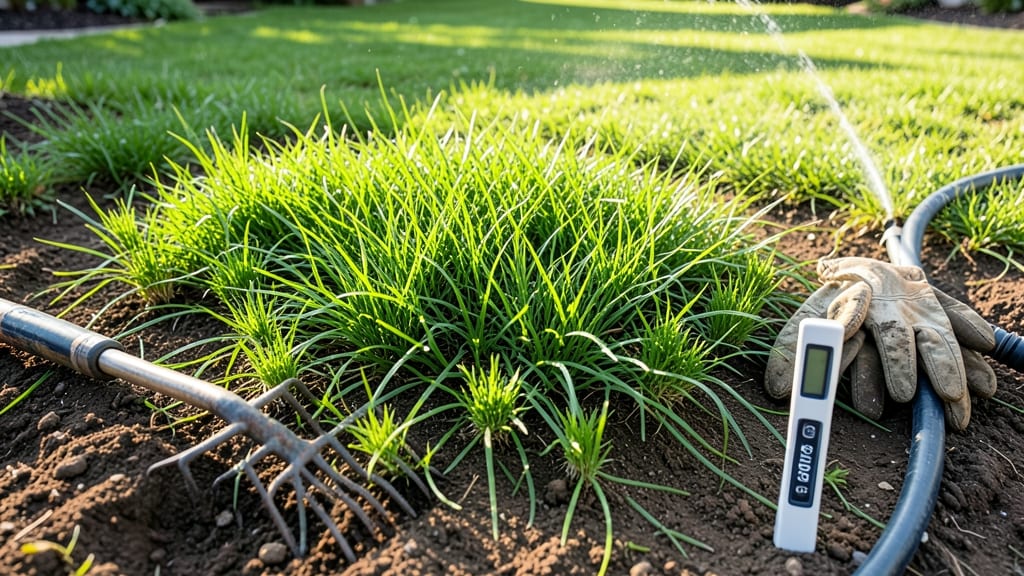
Planting Bermuda grass seed in Arkansas at the wrong time can leave you with patchy lawns or wasted effort—but timing it right guarantees a lush, fast-growing carpet of green.
The key? Understanding Arkansas’ unique climate zones and soil temperature triggers, especially in USDA Zones 7a-8b, where late spring warmth is everything.
If you’ve ever stared at your lawn in frustration after planting too early, you know the stakes. Bermuda grass 🌱 thrives when soil hits 65°F+, which typically means waiting until late April to mid-May—just after the last frost.
But here’s the catch: Arkansas’ humidity and heat can turn a rushed planting into a disaster. Let me show you the exact window to lock in germination success without the guesswork.
Beyond timing, preparing your soil is half the battle. Arkansas’ clay-heavy soil needs the right adjustments to drain properly and support those fast roots. I’ll walk you through the prep steps—from pH checks to fertilization—that make all the difference in Arkansas’ 7a-8b climate.
Skip this, and you’re setting yourself up for slow, uneven growth.
Ready to transform your lawn into a vibrant, resilient space? By the end of this guide, you’ll know not just when to plant, but how to give your Bermuda grass the head start it needs. Let’s get your Arkansas lawn looking its best—fast and frustration-free.
Best planting months for Arkansas Bermuda grass seed based on soil temperature
Bermuda grass thrives in Arkansas’ heat, but timing your planting to match soil temperatures is everything. In most of the state, late April through mid-May is the sweet spot for spring planting.
Southern Arkansas (like Little Rock) can start as early as April 1st when daytime temps hit 75°F+, while northern regions (like Fayetteville) may need to wait until May 15th.
Fall planting is another great window—early September to mid-October—giving seeds time to germinate before first frost (usually mid-November). The key is avoiding hot summer months (June-August), when seeds can dry out or struggle to establish roots before dormancy.
Here’s how to test your soil’s readiness: Use a soil thermometer and wait until the top 2 inches of soil hit 65°F+. In Arkansas, this typically aligns with late spring or early fall, but microclimates (like urban heat islands) can shift these dates by 1-2 weeks.
Urban areas like Fort Smith often warm up faster than rural zones, while mountainous regions (e.g., Bentonville) may lag behind. Always check your local USDA Zone (7a-8b) for precise adjustments.
🌱
| Region | Ideal Planting Window | Soil Temp Requirement | Notes |
|---|---|---|---|
| Southern Arkansas (Little Rock, El Dorado) | Late April – Early May | 65°F+ (18°C+) | Warmer microclimates; start earlier |
| Central Arkansas (Fayetteville, Rogers) | Mid-May – Early June | 65°F+ (18°C+) | Moderate climate; avoid late spring heat |
| Northern Arkansas (Bentonville, Springdale) | Late May – Early June | 65°F+ (18°C+) | Cooler nights; delay planting |
| Fall Planting (Statewide) | Early September – Mid-October | 60°F+ (15°C+) | Avoid planting after October 15th |
| Urban Heat Islands (Fort Smith, Jonesboro) | 1-2 weeks earlier than rural | 65°F+ (18°C+) | Concrete absorbs heat; adjust dates |
If you miss the spring window, don’t panic—fall planting works almost as well. The September-October window lets seeds germinate before cooler temps slow growth. Just avoid planting after October 15th, as new growth won’t have time to establish before first frost.
Pro tip: In humid Arkansas summers, shade cloth can help protect young seedlings from intense sun and drought stress. Aim for 30-50% shade during the first 2-3 weeks post-planting.
For fastest germination, water seeds daily until sprouts appear (usually 7-14 days in ideal conditions). Once established, Bermuda grass is drought-tolerant, but young seedlings need consistent moisture to root deeply.
💧
Best planting months for Arkansas Bermuda grass seed based on soil temperature
Bermuda grass thrives in Arkansas’ heat, but timing your planting is everything. The perfect window depends on soil temperature, not just calendar months. For southern Arkansas (USDA Zones 7b-8b), aim for late April to mid-May when soil hits 65°F+.
In northern Arkansas (Zones 7a-7b), wait until May to early June to avoid late frosts.
Fall planting is also possible—early September to mid-October—but seed must germinate before first frost (mid-November). Test soil warmth with a soil thermometer at 4-inch depth.
If it’s below 65°F, wait 1-2 weeks. Urban areas may warm faster than rural spots due to heat islands, so adjust accordingly.
| Region | Ideal Planting Window | Soil Temp Requirement | Key Risk |
|---|---|---|---|
| Southern AR (e.g., Texarkana) | Late April–Mid-May | 65°F+ at 4" | Early summer drought |
| Central AR (e.g., Little Rock) | Mid-April–Early June | 65°F+ at 4" | Late frost patches |
| Northern AR (e.g., Fayetteville) | May–Early June | 65°F+ at 4" | Cool, wet springs |
| Fall Planting (All Regions) | Early Sept–Mid-Oct | 70°F+ at 4" | Early frost |
Pro tip: Use a clear plastic sheet over freshly tilled soil for 3-5 days before planting. This traps heat and speeds up soil warming by 5-10°F, especially helpful in northern Arkansas. Monitor local Almanac frost dates—they’re your best guide for last-minute adjustments.
If you plant too early, seeds may rot in cool, wet soil. Too late? Summer heat stress can stunt germination. Aim for consistent 75-85°F days and 65°F nights for optimal seedling vigor. Arkansas’ humidity helps, but shade cloth may be needed if planting near trees.
Remember: Bermuda grass spreads aggressively, so time your planting to avoid overcrowding. In southern Arkansas, you can even double-seed in late May for a thicker lawn by summer. Just keep seeds moist until germination (7-14 days).