
Plants
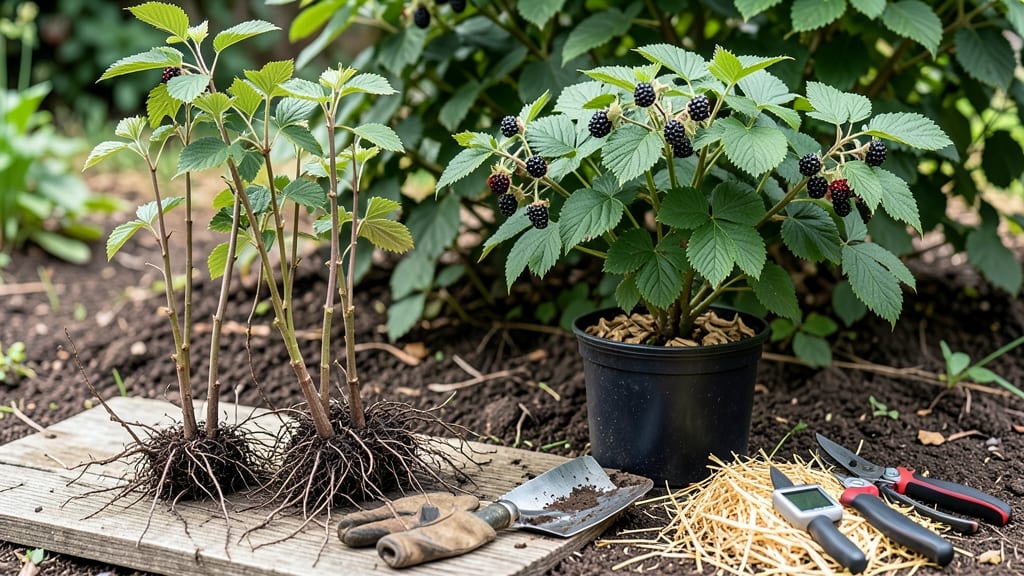
Timing is everything when it comes to planting blackberries 🌱 in Virginia—get it wrong, and you could end up with weak plants that struggle to thrive. The best window isn’t just about the calendar; it’s about soil warmth, frost risks, and how your local climate zone affects root growth.
Most Virginia gardeners swear by spring planting, but fall can also work if you time it right—especially in warmer zones like USDA 7b and above.
I’ll break down the pros and cons of each season so you can choose what works best for your yard and avoid common mistakes that derail new plants.
Whether you’re planting bare-root blackberries or potted varieties, knowing when to get them in the ground makes all the difference. Let’s dive into the science-backed timing that’ll set your blackberries up for a bountiful harvest.
From coastal Virginia’s milder winters to the Piedmont’s cooler springs, your location plays a huge role. I’ll share the exact cues to watch for—soil temperature, frost dates, and more—to ensure your blackberries take root strong and start producing fruit faster.
Optimal blackberry planting seasons in Virginia: spring vs fall comparison
Virginia’s climate—ranging from USDA Zone 6b in the mountains to Zone 8a along the coast—means your blackberry planting timing should align with local frost dates and soil conditions.
Most gardeners in the state prefer spring planting (late February to April), but fall (August to October) can also work in warmer zones with proper preparation.
The key difference lies in root establishment and frost risk. Spring planting gives roots time to grow before summer heat, while fall planting lets them establish before winter dormancy. I’ll break down the best approach for each season, including soil temperature thresholds and Virginia-specific frost windows.
For spring planting, aim for when daytime temperatures consistently stay above 50°F and nighttime frosts are rare. In most of Virginia, this falls between mid-March and early April, but coastal areas can start as early as February.
Northern Virginia (Zone 7a) should wait until late March or April to avoid frost damage.
Fall planting is trickier but works well in Zones 7b and above. Plant 6-8 weeks before your first frost—typically between mid-August and early October. This gives roots time to establish before winter, but avoid planting too late, as cold soil can stunt growth.
| Season | Best Planting Window | Soil Temp Requirement | Root Establishment | Frost Risk |
|---|---|---|---|---|
| Spring | Mid-March to early April (coastal) Late March to April (inland) |
Above 50°F | Strong before summer heat | Low after last frost |
| Fall | Mid-August to early October (Zones 7b+) | Above 55°F | Moderate before dormancy | High if planted late |
🌱 Virginia Cooperative Extension recommends spring planting for beginners
If you’re in Zone 6b or cooler, stick to spring planting—fall risks are too high. For Zones 7a-8a, both seasons work, but spring is safer for first-time growers.
I’ve found that bare-root blackberries planted in spring establish faster than potted varieties, while fall-planted potted berries often recover better from transplant shock.
Another critical factor is soil moisture. Spring planting benefits from natural rainfall, while fall-planted berries may need consistent irrigation until roots establish. In drier years, fall planting can stress plants if summer heat lingers. Always check your local Virginia Master Gardener frost date maps before planting.
For container gardening in urban Virginia, timing shifts slightly. Containers warm up faster, so you can plant 2-3 weeks earlier in spring or 1-2 weeks later in fall compared to in-ground planting. Just ensure containers have drainage holes and use well-draining soil mixes to prevent root rot.
Pro tip: If you’re unsure about timing, use a soil thermometer—blackberries need soil temps above 50°F for root growth. In Virginia, this usually aligns with late March to early April for spring planting. For fall, aim for mid-August in warmer zones to avoid winter stress.
Remember, thornless varieties like 'Cheyenne' or 'Arapaho' are popular in Virginia for their ease of harvest. These can handle both spring and fall planting, but still require the same soil and temperature conditions. Always choose disease-resistant cultivars like 'Natchez' or 'Ouachita' to combat Virginia’s humid summers.
Optimal blackberry planting seasons in Virginia: spring vs fall comparison
Virginia’s diverse climate zones (USDA 6b-8a) mean your blackberry planting window depends on where you live.
Coastal areas like Norfolk (Zone 8a) have milder winters, while the Piedmont (Zone 7b) experiences colder springs. Spring planting is the safest bet for most gardeners, but fall can work in warmer zones if timed correctly.
For spring planting, aim for late February to early April—after the last frost date but before soil temperatures hit 70°F+. This gives roots time to establish before summer heat.
In fall, plant 6-8 weeks before first frost (typically late August to early October in most of Virginia).
The key difference? Spring prioritizes root growth before fruiting, while fall leverages cooler temps to reduce stress. However, fall planting in Virginia’s cooler zones (like Zone 6b) risks winter dieback if roots don’t harden before frost.
🌱 Spring vs Fall Planting: Virginia Comparison
| Factor | Spring Planting | Fall Planting |
|---|---|---|
| Best For Zones | 6b-8a (all Virginia) | 7b-8a (warmer zones) |
| Planting Window | Late Feb–Early Apr | Late Aug–Early Oct |
| Soil Temp Goal | 50–60°F | 60–70°F |
| Root Growth Focus | Establish before summer | Hardening before frost |
| First Fruit Expected | Year 2 | Year 1 (if zone 8a) |
In coastal Virginia (Zone 8a), fall planting can yield earlier fruit the following season, but spring is still safer. For inland areas (Zone 6b-7a), stick to spring—fall risks expose roots to freeze-thaw cycles that stunt growth. Always check your last frost date (Virginia Cooperative Extension has local data).
Pro tip: If you choose fall planting, mulch heavily with straw or wood chips (4–6 inches) to insulate roots. In spring, remove mulch in early March to let soil warm faster. Both seasons require well-draining soil—blackberries hate soggy roots!
Remember, bare-root blackberries need immediate planting (no drying out!), while potted plants offer more flexibility. For urban gardeners, container planting extends fall options—just ensure pots have drainage holes and use lightweight potting mix.