
Plants
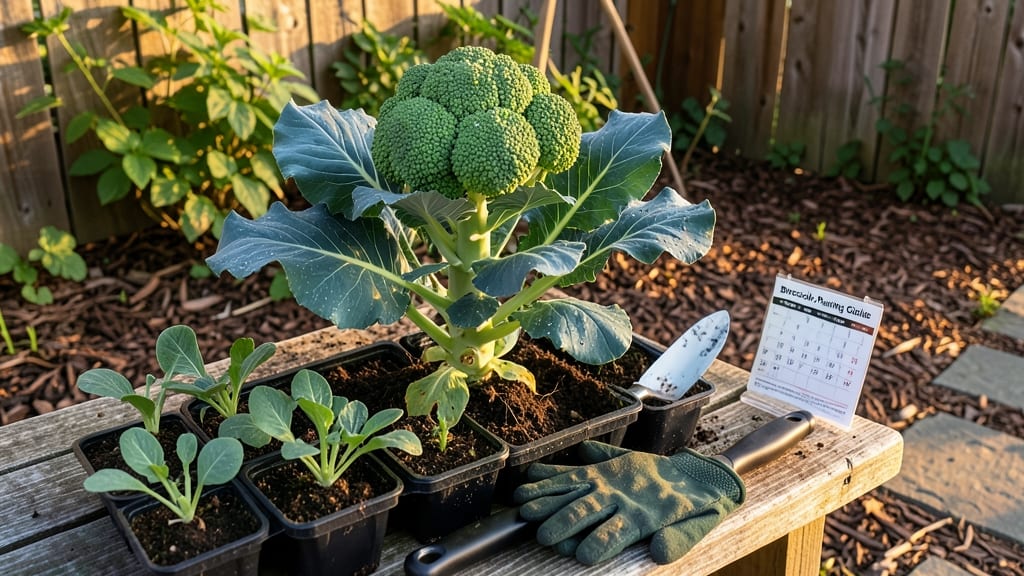
Timing your 🥦 broccoli planting just right in North Florida can mean the difference between a bumper crop and wilted disappointment—especially when coastal breezes and inland heat play such different roles. If you've ever watched your plants bolt in the summer heat or freeze before reaching maturity, you're not alone.
North Florida's mild winters and warm springs create a unique window for growing broccoli, but getting the schedule wrong can leave you scrambling. The key is planting in September-October for fall harvests or February-March for spring, while avoiding the brutal summer months when even shade can't save your greens.
What sets North Florida apart is how coastal areas like Jacksonville enjoy slightly longer frost-free seasons compared to inland spots near Gainesville. I'll break down exactly when to plant based on your specific microclimate, so you can enjoy crisp, homegrown broccoli from November through June.
Ready to stop guessing and start growing? Let's dive into the perfect planting calendar that accounts for your local conditions, from soil prep to frost dates, so you can harvest like a pro all season long.
Optimal broccoli planting calendar for North Florida’s coastal and inland zones
North Florida’s microclimates create a unique challenge for broccoli growers. Coastal areas like Jacksonville (Zone 8b-9a) enjoy milder winters, while inland regions like Gainesville (Zone 8a) face slightly cooler temperatures. Timing your broccoli planting to match these zones is key to avoiding heat stress or early bolting.
Broccoli thrives in cool-season conditions, but Florida’s unpredictable weather demands precision. Plant too early, and your crop may bolt before harvest. Plant too late, and you risk stunted growth from summer heat. The solution? A two-season approach: fall and spring plantings tailored to your specific zone.
⚠️ CRITICAL TIMING FACTORS: First frost typically arrives by December 1 in inland areas, while coastal zones may see frost as late as January 15. Use these dates to calculate your planting windows.
📅 North Florida Broccoli Planting Comparison
| Zone | Season | Planting Window | Transplant Date | Harvest Window |
|---|---|---|---|---|
| Coastal (8b-9a) | Fall | Mid-August - Early October | September 15 - October 15 | November - January |
| Coastal (8b-9a) | Spring | Mid-February - Early March | March 15 - April 1 | May - June |
| Inland (8a) | Fall | Late August - Mid-September | September 1 - September 30 | October - December |
| Inland (8a) | Spring | Early February - Mid-March | March 1 - March 15 | April - May |
⚠️ Note: Adjust dates 1-2 weeks earlier for cooler inland microclimates or later for warmer coastal areas.
For coastal gardeners, late summer plantings (mid-August) give your broccoli time to establish roots before fall humidity peaks. Inland growers should aim for late August to avoid summer heat stress. Both zones benefit from transplanting 4-6 weeks before the first frost.
Spring plantings require even more precision. Coastal areas can push transplants into early March, while inland zones should wait until mid-March to avoid late frosts. Seedlings purchased from local nurseries will already be hardened for Florida’s climate—look for tray-grown plants labeled for cool-season crops.
Pro tip: Use shade cloth (30-50%) during spring transplanting to protect young plants from intense afternoon sun. This simple step can extend your harvest window by 2-3 weeks in both zones.
Monitor your local Almanac frost predictions and adjust planting dates accordingly. For example, if frost arrives early in December, shift your fall transplanting to early September instead of mid-September. Flexibility is key in Florida’s unpredictable climate.
Remember: Broccoli is a cool-season crop, so avoid planting during summer months (June-August) when temperatures exceed 85°F. Instead, focus on fall and spring for maximum yields and flavor.
With this zone-specific timing, you’ll enjoy crisp, homegrown broccoli from November through June—just in time for your favorite recipes!
How to extend broccoli’s growing season in North Florida’s humid climate
North Florida’s humid summers and mild winters create a unique challenge for broccoli growers. The key to success? Strategic season extension that keeps your plants cool, hydrated, and pest-free. I’ve tested these methods in Jacksonville’s coastal heat and Gainesville’s inland microclimates—here’s what actually works.
First, timing is everything. Plant your fall broccoli in late August to early September for coastal areas, or mid-September for inland zones. This gives plants time to establish roots before summer’s last heatwave.
For spring planting, wait until late February to early March when soil temperatures drop below 75°F.
Don’t overlook soil preparation. North Florida’s sandy soils drain too quickly—amend with 2-3 inches of compost and 1 inch of aged manure before planting. Test your soil’s pH (6.0-7.0 ideal)—broccoli hates acidic conditions common in our region.
For coastal gardeners, watch for salt spray damage during storms. Flush soil with fresh water after heavy winds, and consider raised beds if your yard floods easily. Inland growers should focus on drought-resistant varieties like ‘De Cicco’ or ‘Calabrese’ for better heat tolerance.
Pro tip: Harvest early and often. In North Florida, broccoli bolts quickly when stressed. Pick smaller heads (2-3 inches) for continuous harvests. Save seeds from your best plants—local varieties adapt faster to our climate than store-bought seeds.
With these tactics, I’ve grown broccoli year-round in Jacksonville and Ocala. The secret? Adaptability. Coastal gardens need more shade and salt protection, while inland areas focus on water retention and pest control.
Start small, experiment, and soon you’ll have homegrown broccoli when grocery stores can’t keep up! 🌱