
Plants
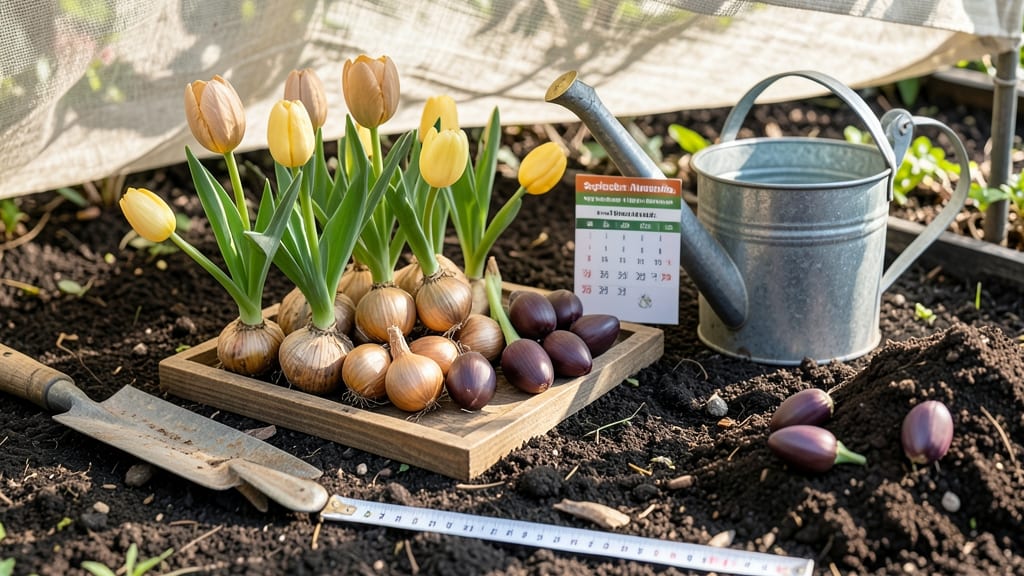
Planting Spring Flowering Bulbs (e.g., Tulips, Daffodils, Hyacinths) 🌷 in Arizona isn't as straightforward as it seems—get the timing wrong, and you might end up with wilted dreams instead of vibrant blooms by spring.
Unlike cooler climates, Arizona's 9b zone means bulbs need a different approach to survive our mild winters and scorching summers. The key is planting them 6-8 weeks before the first frost, which typically lands between late October and December.
I've learned the hard way that rushing the process or waiting too long can mean the difference between a stunning spring display and a total flop. Let me show you exactly when to plant for zero-frost success—plus how to adjust for desert heat and elevation changes.
Whether you're in Phoenix, Flagstaff, or Sedona, these timing tips will help you avoid common mistakes and get those bulbs established just right for a show-stopping spring bloom.
Optimal planting months for Arizona bulbs by type
Arizona’s USDA Zone 9b climate means bulbs must be planted strategically to avoid extreme heat or unpredictable frost. Most bulbs thrive when planted in fall for spring blooms, but desert-adapted varieties like paperwhite narcissus and agave have different timelines. Let’s break it down by bulb type and season.
Spring-flowering bulbs (tulips, daffodils, hyacinths) need 6-8 weeks before the first frost—typically October to December. In low-desert areas like Phoenix, this means planting by mid-November, while high-elevation zones (e.g., Flagstaff) can extend planting until early January. The key is to plant when soil temps drop below 85°F.
Summer-blooming bulbs like dahlias and canna lilies prefer spring planting (March–April) in Arizona’s warmer zones. These bulbs need consistent moisture and protection from afternoon sun until roots establish. Avoid planting in peak summer heat—they’ll rot before sprouting.
Winter-blooming bulbs, such as paperwhite narcissus and amaryllis, thrive in Arizona’s cool winter months. Plant them in November–December for holiday blooms. These bulbs tolerate indoor forcing too, making them ideal for container gardening in desert climates.
Desert-adapted bulbs like agave and yucca don’t follow traditional planting rules. They prefer spring planting (March–April) and full sun exposure. Water sparingly—these bulbs store moisture and thrive in drought conditions. Overwatering is their biggest enemy!
Perennial bulbs (e.g., allium, fritillaria) benefit from fall planting but can handle winter dormancy in Arizona. Mulch heavily in December–January to protect them from unexpected cold snaps. These bulbs often naturalize, returning year after year with minimal care.
| Bulb Type | Best Planting Months | Bloom Season | Arizona Notes |
|---|---|---|---|
| Spring-Flowering (Tulips, Daffodils) | October–December | February–April | Plant before soil hits 85°F; mulch in winter. |
| Summer-Blooming (Dahlias, Canna Lilies) | March–April | June–September | Avoid summer planting; use shade cloth. |
| Winter-Blooming (Paperwhites, Amaryllis) | November–December | December–February | Ideal for containers; protect from frost. |
| Desert Bulbs (Agave, Yucca) | March–April | Year-round (slow growth) | Water sparingly; full sun only. |
| Perennial Bulbs (Allium, Fritillaria) | October–November | March–May | Naturalize easily; mulch in winter. |
For container gardening, you can extend planting windows slightly. Paperwhite narcissus and amaryllis can be forced indoors in September–October for holiday cheer. Just ensure pots have drainage holes and use
How to adjust planting for Arizona’s microclimates
Arizona’s diverse microclimates mean planting times vary wildly from Phoenix to Flagstaff. What works in the low desert (Zone 9b-10a) can fail in the high desert (Zone 7b-8a).
I’ve seen tulips thrive in Sedona while wilting in Tucson—same bulbs, different luck! Let’s break down the critical adjustments for each zone.
In Phoenix/Tucson (low desert), bulbs need cooler soil to root before winter rains. Plant spring bulbs in October-November when temps drop below 80°F. For summer bulbs (like dahlias), wait until April-May after the last frost risk. The key? Mulch heavily to protect roots from summer heat.
In Flagstaff/Sedona (high desert), shorter winters mean bulbs can handle later planting. Aim for November-December for spring blooms, but don’t wait past January—frost can still sneak in. These areas also need well-draining soil to prevent rot from spring thaws.
| Zone | Best Planting Window | Soil Prep | Watering Adjustment |
|---|---|---|---|
| Low Desert (Phoenix/Tucson) | Oct-Nov (spring bulbs) | Add compost + 2" mulch | Deep water every 7-10 days |
| Mid-Elevation (Prescott) | Nov-Dec (spring bulbs) | Mix sand for drainage | Reduce to every 10-14 days |
| High Desert (Flagstaff) | Dec-Jan (spring bulbs) | Use gravel for drainage | Minimal water in winter |
For heat-sensitive bulbs like paperwhite narcissus, I recommend planting them indoors in September for Christmas blooms. These bulbs need consistent 60-65°F temps—something our desert nights can’t always provide. Use a grow light if natural light drops below 12 hours.
Pro tip: Test your soil’s drainage before planting. In clay-heavy areas (common in Tucson’s foothills), amend with perlite or coarse sand. Poor drainage is the #1 killer of Arizona bulbs—don’t skip this step! Even drought-tolerant bulbs like agave need proper soil to thrive.
Remember: Elevation changes everything. Add 1-2 weeks to planting times for every 1,000 feet gained. In Sedona (5,000 ft), I plant 2 weeks later than in Phoenix (330 ft). Your local Cooperative Extension office has free frost data—use it!