
Plants
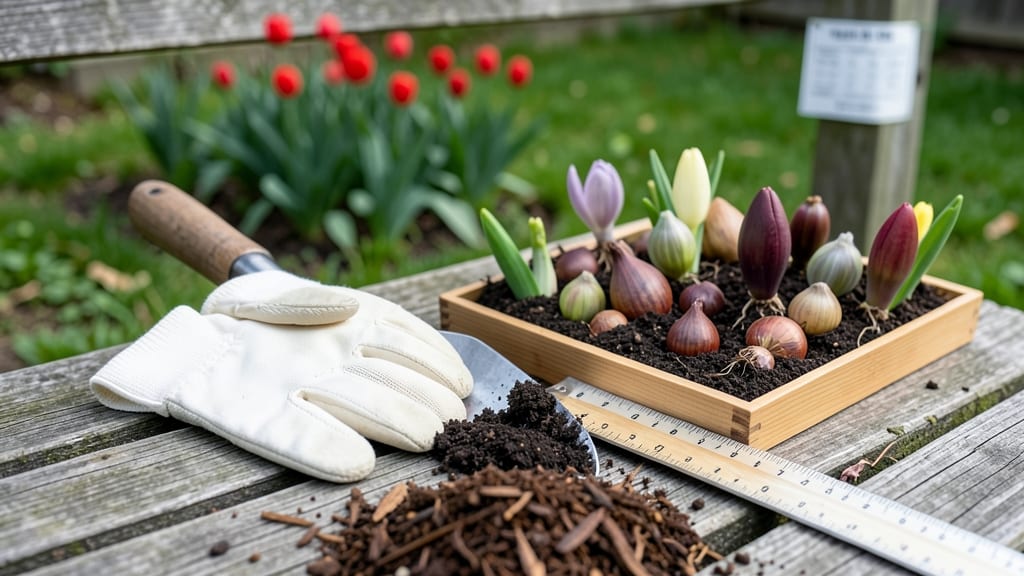
Planting bulbs in Zone 8 at the wrong time means wasting money on blooms that never break through the soil. The key to vibrant spring displays starts with knowing exactly when to tuck those 🌱 into the ground—whether you're working with tulips, daffodils, or lilies.
In Zone 8, your window is narrow but critical: fall planting (October through December) sets the stage for spring blooms, while early spring (February to March) gives you a second chance for summer-flowering varieties.
But timing isn't just about months—it's about soil temperatures, frost dates, and even whether you're in coastal or inland Zone 8.
I've learned the hard way that rushing bulbs in too early leads to rot, while waiting too long means missed growth cycles. The good news? With the right schedule, you can enjoy year-round color—from winter crocuses to summer lilies—without guessing when to plant.
Let's break down the perfect planting calendar for your Zone 8 garden, including soil prep secrets and how to adjust for your local microclimate. Your future blooms will thank you.
Best months to plant spring-flowering vs fall-flowering bulbs in Zone 8
In Zone 8, the 6-8 week window before your first frost (typically November 15) is your golden opportunity for fall planting. This timing ensures bulbs establish roots before winter, then burst into blooms next spring.
But not all bulbs follow the same schedule—spring-flowering varieties like tulips and daffodils need fall planting, while summer-flowering lilies and dahlias wait for early spring.
Your soil temperature is the real clock here. Bulbs need 60°F soil to start rooting, which in most of Zone 8 happens by mid-October.
Coastal areas may push this back to November due to milder winters, while inland zones should plant by late October to avoid rot from lingering warmth.
For spring planting, aim for 4-6 weeks before your last frost date (usually January 15 in Zone 8). This gives summer-flowering bulbs time to establish before the heat of summer arrives. But be warned—spring-planted bulbs often bloom smaller than their fall-planted counterparts.
Here’s the critical difference: Fall-planted bulbs (like tulips) store energy over winter, while spring-planted bulbs (like lilies) grow roots and foliage first. Your choice depends on whether you want early spring color or summer blooms.
Notice how crocuses plant earliest? These winter bloomers need to establish roots before the first frost, often in September for Zone 8. Meanwhile, dahlias wait until spring because their tubers are more delicate and need stable warmth to sprout.
Pro tip: Use a soil thermometer to confirm readiness. If your soil stays above 60°F past November, wait until temps drop—otherwise, bulbs may rot before rooting. Coastal gardeners in Zone 8 should push planting back 2-3 weeks due to milder winters.
For year-round blooms, stagger your planting: add winter crocuses in September, spring tulips in October, and summer lilies in February. This creates a non-stop color show from January through August.
One more critical note: Fertilize after planting with a low-nitrogen bulb booster (like 5-10-10) to encourage root growth before dormancy. Skip spring feeding until shoots emerge—this prevents rot in damp soil.
Now that you’ve got the timing down, let’s talk about adjusting for your specific Zone 8 microclimate—because not all Zone 8 is created equal! ☀️
How to adjust planting times for year-round color in Zone 8 climates
Zone 8's mild winters and warm springs give you a unique advantage: you can extend your bulb blooms from late winter all the way to summer. The trick is staggered planting—spreading out your bulb purchases and planting times to create a continuous show.
For example, early fall plantings (September-October) will reward you with winter blooms, while late winter plantings (February-March) set up spring displays.
Coastal Zone 8 gardens often have softer winters with fewer frost days, meaning you can plant 4-6 weeks later than inland areas. Inland Zone 8, with its colder nights, demands earlier planting to avoid winter rot.
Always check your last frost date—inland Zone 8 typically sees frost by November 15, while coastal areas might stay frost-free until December 15.
Here’s how I adjust timing for year-round color in my own garden: I plant crocuses and snowdrops in October for winter blooms, tulips and daffodils in November for spring, and rain lilies and spider lilies in February for late spring/early summer. This creates a 3-month bloom window with minimal gaps.
- Early Fall Planting (September-October)
- Late Fall Planting (November-December)
- Early Spring Planting (February-March)
- Microclimate Adjustments
- Soil Prep for Staggered Planting
Don’t forget that summer-flowering bulbs like dahlia tubers and canna lilies need a different approach—they thrive when planted after the last frost (typically April in Zone 8). These varieties love the heat and will reward you with bold summer blooms that other bulbs can’t match.
Pro tip: Keep a planting journal to track which bulbs perform best in your specific microclimate. Note when you planted, which varieties bloomed, and any adjustments you’d make next year. Over time, you’ll refine your schedule to create the perfect year-round display tailored to your Zone 8 garden.
With these adjustments, you’ll transform your garden into a nonstop bloom machine, from the first crocus in January to the last dahlia in September. The secret? Timing + patience—and a little help from your local microclimate.