
Plants
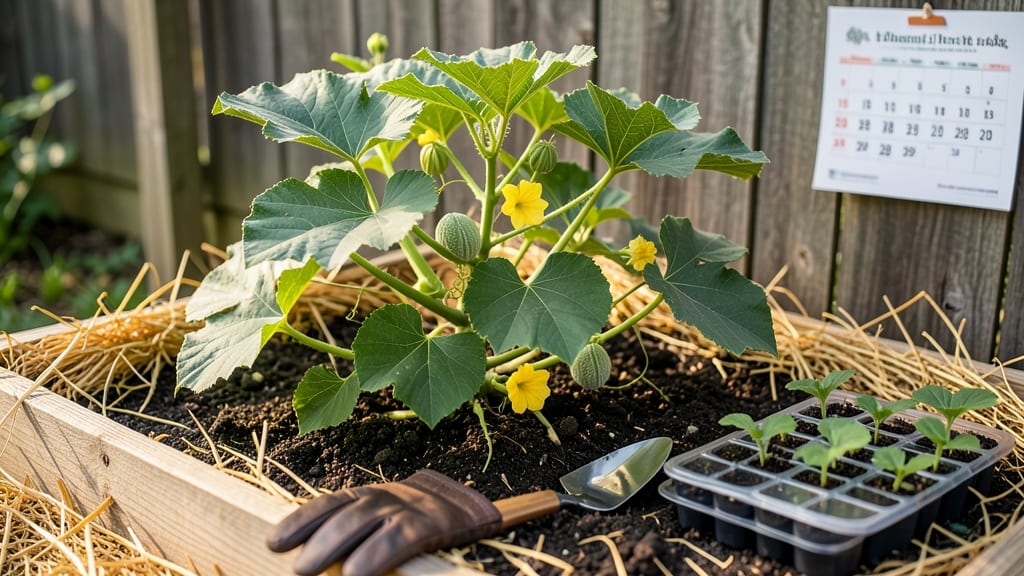
Timing your 🍈 cantaloupe planting in Tennessee can mean the difference between a bumper crop and a frost-killed garden—because those sweet melons need heat to thrive, not just sunshine.
If you plant too early, a late frost will wipe out your seedlings before they even sprout, while waiting too long might leave you scrambling for space in a crowded summer garden.
Most Tennessee gardeners in zones 6a-7b aim for mid-April to early May, but that’s just the starting point. The real secret lies in soil temperatures—cantaloupes won’t germinate until the dirt hits 70°F, and nighttime temps must stay above 55°F to keep them growing strong.
Without this heat, your plants will languish, leaving you with bitter fruit or none at all.
In this guide, I’ll break down the exact planting schedule for your region, whether you’re in Nashville’s cooler valleys or Memphis’s sweltering heat. You’ll learn how to prep your soil, time your transplants, and even extend the season with simple tricks.
By the end, you’ll know precisely when to put those seeds in the ground for juicy, homegrown cantaloupes every summer.
No more guessing games—just a foolproof plan tailored to Tennessee’s unpredictable spring. Let’s get those vines growing!
Tennessee heat zones & frost dates: the exact timeline for cantaloupe planting
Tennessee’s USDA hardiness zones 6a-7b create a unique challenge for cantaloupe growers. Unlike frost-hardy crops, cantaloupes demand heat—both in the air and the soil—to germinate and thrive. Planting too early risks frost damage, while waiting too long may leave you with a short harvest window.
The key is aligning your planting with soil temperatures and regional frost dates.
Most Tennessee gardeners target mid-April to early May for direct sowing, but this varies by microclimate. For example, Memphis (Zone 7b) typically sees its last frost by early April, while Nashville (Zone 6a) often waits until mid-April.
Knoxville (Zone 6b) falls somewhere in between, with last frosts usually occurring around late March to early April.
Cantaloupes won’t germinate until soil temperatures hit 70°F, and nighttime temps must stay above 55°F for consistent growth. In Tennessee, this usually happens by late April to early May, depending on your location.
Using a soil thermometer is the best way to confirm readiness—don’t rely on air temperature alone.
Here’s a quick breakdown of Tennessee’s frost-free periods by region to help you plan:
| Region | USDA Zone | Avg. Last Frost | Avg. First Frost | Frost-Free Days | Ideal Planting Window |
|---|---|---|---|---|---|
| Memphis | 7b | Early April | Mid-October | 180-210 | Late March - Early April |
| Nashville | 6a | Mid-April | Early October | 160-190 | Mid-April - Early May |
| Knoxville | 6b | Late March - Early April | Mid-October | 170-200 | Early April - Late April |
If you’re in a cooler microclimate (like higher elevations in East Tennessee), consider starting seeds indoors under grow lights 4-6 weeks before your last frost date. Transplant seedlings outdoors only after soil temperatures reach 70°F and nighttime temps stay above 55°F for at least a week.
For warmer regions like Memphis, you can even direct-sow cantaloupe seeds as early as late March, provided the soil is warm enough. Just cover the seeds with black plastic mulch to speed up soil warming—a trick that works wonders in Tennessee’s unpredictable spring.
Pro tip: Use a frost watch from the National Weather Service or your local cooperative extension office to track real-time frost predictions. This helps you adjust your planting timeline if an unexpected cold snap is forecasted.
Once you’ve nailed down your planting window, the next step is preparing your soil and adjusting for Tennessee’s humidity. But first, let’s tackle the most common mistakes gardeners make when planting cantaloupe in this region—and how to avoid them entirely.
Step-by-step planting schedule: from seed to harvest in Tennessee’s climate
Cantaloupes in Tennessee thrive when planted at the right time, but the process starts long before you bury those seeds. I recommend beginning with indoor seed starting 3-4 weeks before your last frost date—typically early March for most regions.
This head start gives seedlings a fighting chance against late frosts while ensuring they’re robust enough for transplanting.
Use biodegradable pots to avoid root disturbance when moving seedlings outdoors. Fill them with a seed-starting mix and keep them in a warm spot (70-75°F) under grow lights or near a sunny window. Seedlings need 12-14 hours of light daily to prevent legginess—this is non-negotiable for healthy cantaloupe plants.
📝 Step-by-Step Planting Timeline for Tennessee
- Early March: Start seeds indoors in biodegradable pots (70-75°F soil temp).
- Mid-April: Harden off seedlings (acclimate to outdoor temps over 7-10 days).
- Late April-Early May: Transplant seedlings after soil reaches 70°F+ and night temps stay above 55°F.
- May-June: Direct-sow additional seeds for late varieties if space allows.
- July-August: Harvest when fruit slips easily from the vine and has a sweet aroma.
💡 Pro Tip: Use a soil thermometer to confirm temps—cantaloupes won’t germinate in cold soil!
Once your seedlings are 3-4 inches tall with 2-3 true leaves, it’s time to harden them off. Place them outdoors in a sheltered spot for 2-3 hours daily, gradually increasing exposure over 7-10 days.
This toughens their stems and leaves, preventing shock when you transplant them into the garden.
For direct sowing, wait until the soil temperature consistently stays above 70°F—usually mid-May in most of Tennessee. Plant seeds 1 inch deep, spacing them 2 feet apart in rows 4-5 feet apart to give vines room to sprawl.
If you’re in a cooler microclimate (like higher elevations), opt for row covers to warm the soil faster.
After transplanting, mulch heavily with straw or black plastic to retain moisture and prevent weeds. Cantaloupes need consistent watering—about 1-2 inches per week—but avoid overhead watering to reduce disease risk. Instead, use drip irrigation or soaker hoses to deliver water directly to the roots.
With this schedule, you’ll have ripe cantaloupes by mid-summer, just in time for picnics and fresh snacks. The key is patience—rushing the process often leads to frost damage or poor fruit quality. Stick to the timeline, and you’ll reap the rewards of homegrown, sun-ripened cantaloupes every season!