
Plants
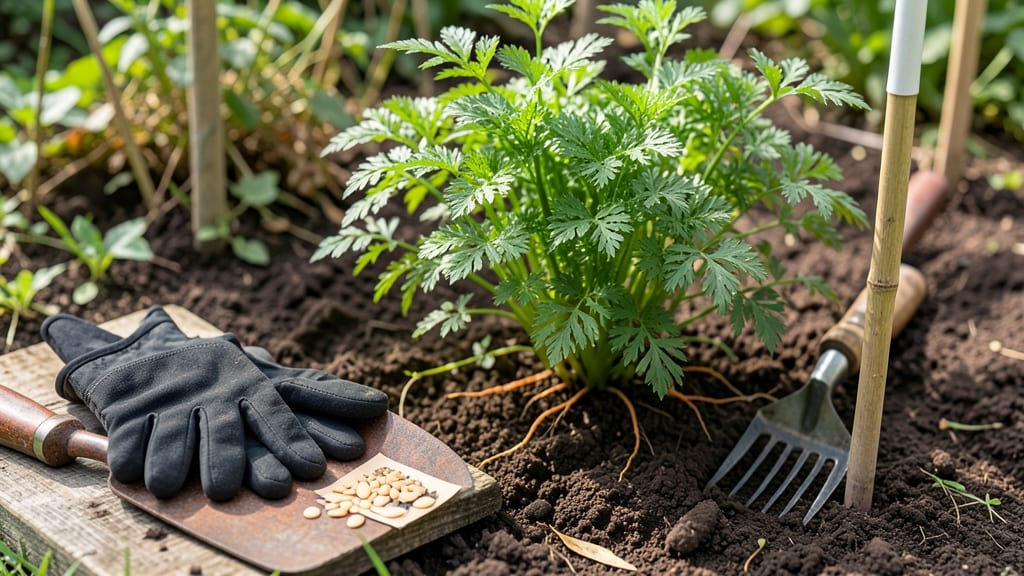
Nebraska carrot planting calendar: best months by hardiness zone
Nebraska’s USDA Zones 5a-6b create a unique challenge for carrot growers—too early, and frost stunts growth; too late, and summer heat produces woody roots.
To avoid these pitfalls, I’ve mapped out the ideal planting windows for both spring and fall crops, tailored to Nebraska’s variable climate and soil conditions.
Most Nebraska gardeners focus on early spring planting (March-April) when soil temperatures reach 50°F (10°C). However, fall planting (July-August) can extend your harvest into October if timed correctly. The key? Understanding your last frost date (typically mid-April) and first frost date (usually mid-October).
Here’s the breakdown you need to plan your carrot planting schedule like a pro:
| Planting Window | USDA Zone | Soil Temp | Key Notes |
|---|---|---|---|
| Early Spring (March 15 - April 15) | 5a-6b | 50-60°F (10-15°C) | Best for crisp roots; avoid frost by using row covers. |
| Late Summer (July 15 - August 15) | 5a-6b | 60-70°F (15-21°C) | Harvest before first frost (aim for October). |
| Succession Planting (April 1 - June 1) | 5a-6b | 55-65°F (13-18°C) | Plant every 2-3 weeks for continuous harvest. |
| Fall Extension (August 20 - September 10) | 5a-6b | 55-60°F (13-15°C) | Use cold-hardy varieties like 'Chantenay' for late harvests. |
For western Nebraska (drier climates), aim for earlier planting (late March) to take advantage of spring rains. In eastern Nebraska, where humidity is higher, late summer planting works better to avoid fungal diseases like leaf blight.
Always test your soil—Nebraska’s clay-heavy soils need ample compost to prevent forked roots.
Pro tip: If your soil feels too cold in early spring, use black plastic mulch to warm it faster. This trick can shave off 2-3 weeks from your planting timeline, giving you an earlier harvest. Just remove the mulch once seedlings emerge to prevent overheating.
Timing isn’t just about months—it’s about soil conditions. Carrots need loose, stone-free soil to grow straight. If your garden bed has rocks or compacted soil, mix in 2-3 inches of sand or compost before planting. This extra step saves you from digging up crooked carrots later!
Remember, succession planting is your secret weapon for a steady carrot supply. By staggering plantings every 2-3 weeks from April to June, you’ll enjoy fresh carrots from summer through fall. Just mark your calendar: the last succession planting should be by July 1 to ensure harvest before frost.
One common mistake? Planting too deeply or thickly. Carrot seeds are tiny—sow them just ¼ inch deep and thin seedlings to 2-3 inches apart. Crowding leads to small, misshapen roots, and deep planting can cause bolting (premature flowering).
Finally, keep an eye on weather forecasts. Nebraska’s unpredictable spring storms can delay planting. If your seeds are still dry after 2 weeks, it’s time to replant. Don’t let a few rainy days ruin your entire season!
How to adjust planting times for Nebraska’s unpredictable weather
Nebraska’s weather can be as unpredictable as a prairie storm—one day it’s 50°F and sunny, the next it’s 30°F with snow flurries. To keep your carrots thriving, you’ll need flexible strategies that extend the growing season and protect tender seedlings.
The key is succession planting and using tools like row covers or cold frames to shield plants from late frosts or early heatwaves.
Start by planting cold-hardy varieties like ‘Early Nantes’ or ‘Paris Market’ as soon as the soil reaches 40°F—usually in late March for western Nebraska or early April in the east. These varieties tolerate cooler soil better than others, giving you a head start.
If frost threatens after planting, cover seeds with lightweight row fabric until they sprout, which usually takes 14-21 days.
For a continuous harvest, stagger plantings every 2-3 weeks from April through July. This ensures you’re always pulling fresh carrots, even if Mother Nature throws a curveball. In late summer, aim for a second planting in July to harvest before the first frost hits in mid-October.
Choose bolting-resistant varieties like ‘Danvers’ for this window, as long, hot days can trigger premature flowering.
Here’s how to handle Nebraska’s most common weather challenges:
Don’t overlook microclimates in Nebraska—eastern areas like Omaha tend to be 2-3°F warmer than western regions like Scottsbluff. Adjust your planting dates accordingly: eastern gardeners can push spring plantings 1-2 weeks earlier, while westerners should wait until soil warms consistently.
Test soil temps with a soil thermometer—carrots prefer 60-70°F for optimal growth.
For organic gardeners, avoid synthetic fertilizers that can burn tender carrot roots. Instead, amend soil with compost or aged manure before planting and side-dress with fish emulsion in early summer.
Remember, carrots are light feeders—too much nitrogen leads to leafy tops and small roots. Focus on phosphorus and potassium for strong root development.
With these adjustments, you’ll beat Nebraska’s weather and enjoy a bountiful carrot harvest from early summer through fall—no matter what the forecast says! 🌱